By Abdulkareem Haruna
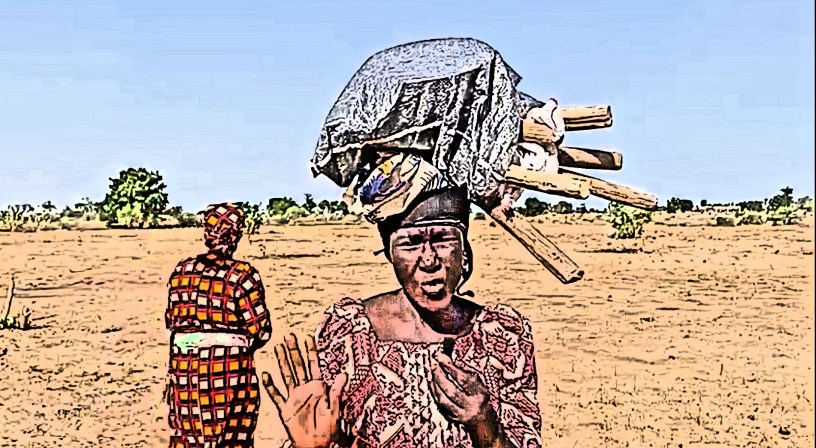
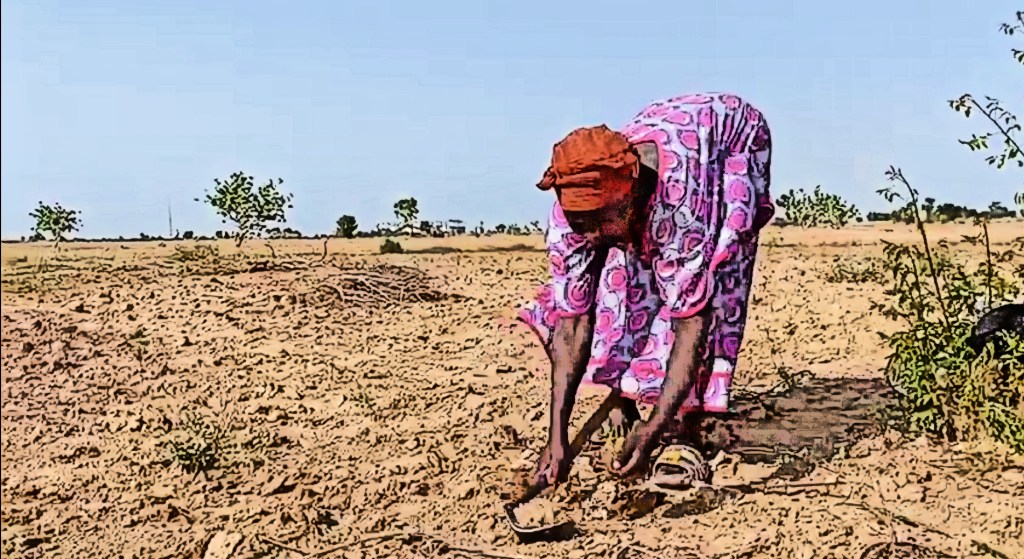
In Maiduguri, the capital city of Borno State, Nigeria, women make up the majority of farmers who risk their lives to cultivate crops in unsafe spaces.
Despite their hard work and determination, these women lack access to vital resources such as tractors, agrochemicals, and fertilizers, which are necessary for successful farming.
To make matters worse, many of these women must travel long distances from their homes to access farmland, leaving them vulnerable to attacks and other security risks.
Meet Aisha, a 40-year-old widow and mother of four who makes a living through farming. Aisha has been farming for over a decade and is one of the many women who must travel far from her home to access farmland. She wakes up early every morning to prepare for the day’s work and begins a long journey to the farm.
“I have to travel several kilometers from my home to access the farmland,” Aisha said. “Sometimes, I have to walk for hours before I get there. It is not safe, especially for women like me who are alone. There have been cases of attacks on women who are farming in these remote areas, and it is a constant fear for us.”
Aisha’s story is not unique. Many women farmers in Maiduguri face similar challenges. They are forced to travel long distances to access farmland, which puts them at risk of attack and other security threats. In addition, they lack the necessary resources to make farming more efficient and profitable.
Another woman farmer, Halima, a mother of six, also shared her experience. Halima has been farming for over two decades and has experienced firsthand the difficulties women farmers in Maiduguri face.
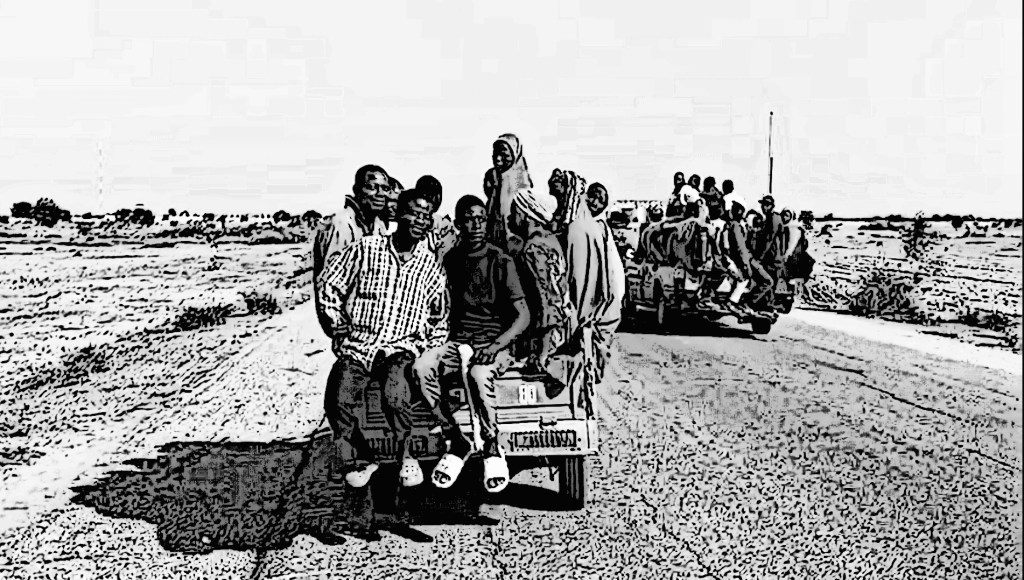
are widows and heads of their homes
“We need support from the government and other stakeholders in the agricultural sector,” Halima said. “We need tractors, agrochemicals, and fertilizers to make farming easier and more profitable. We also need protection and security while we work on our farms.”
Halima’s call for support is echoed by many other women farmers in Maiduguri. They believe that the government and other stakeholders should do more to support women in agriculture and provide them with the necessary resources and protection to carry out their work safely.
According to the Food and Agriculture Organization (FAO), women comprise about 50% of the agricultural labor force in sub-Saharan Africa. However, they face significant barriers in accessing resources such as land, credit, and information, as well as discriminatory cultural norms and practices.
In Maiduguri, the situation is even more challenging due to the ongoing insecurity and conflict in the region. Women farmers are particularly vulnerable to attacks by insurgents and other armed groups, which has led to displacement and loss of livelihoods.
To address these challenges, stakeholders in the agricultural sector must prioritize the needs of women farmers in Maiduguri. This includes providing them with access to land, credit, and other resources, as well as ensuring their safety and security while they work on their farms.
One organization that is working to support women farmers in Maiduguri is the International Rescue Committee (IRC). The IRC provides training and resources to women farmers, including access to improved seeds and tools, as well as support with marketing and business development.
“We recognize the important role that women play in agriculture, and we are committed to supporting them in any way we can,” said Catherine-Lune Grayson, the IRC’s Nigeria Country Director. “We believe that by investing in women farmers, we can help to improve food security and economic development in the region.”
The IRC’s efforts are commendable, but more needs to be done to ensure that women farmers in Maiduguri have the support they need to succeed. This includes providing them with access to mechanized farming equipment, such as tractors, and ensuring that they have access to agrochemicals and fertilizers.
In addition, there is a need for increased security measures to protect women farmers from attacks and other security threats. This includes providing them with security escorts or establishing safe zones for farming.
The government also has a critical role to play in supporting women farmers. This includes providing policy and institutional support, as well as allocating resources to programs that directly benefit women farmers.
The voices and experiences of women farmers themselves must guide these efforts. By listening to their needs and concerns, we can develop more effective and sustainable solutions that ensure their inclusion and equity in the agricultural sector.
Women farmers in Maiduguri, Borno State, face significant challenges in accessing the necessary resources to carry out their work safely and efficiently. They are often forced to travel long distances to access farmland, which puts them at risk of attack and other security threats.
However, with increased support from the government and other stakeholders in the agricultural sector, women farmers can play a more significant role in improving food security and economic development in the region. It is essential that their voices are heard, and their experiences are taken into account in developing policies and programs that benefit them.
 The Humanitarian Times