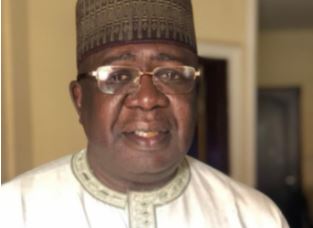
By Hon. Yusuf Adamu
Every government has a mandate to protect its citizens and their properties, and Borno State Government in Nigeria is no exception.
Recently, the governor of Borno state, Professor Babagana Umara Zulum, has issued a directive to curb scavenging activities in the state, citing security reasons and potential risks from insurgent attacks.
While this decision has drawn criticism, it still remains a necessary measure to ensure public safety. As the saying goes, “Safety first, no matter what.”
It’s critical to consider the number of individuals engaged in scavenging businesses and their overall contribution to the state’s economy – viz a viz the threat their activities constitute to out nascent peace and tranquility.
Scavenging, although a source of income for some, often involves property theft and vandalism, all under the guise of quick money-making. The question arises: can we regard this as a professional activity? Certainly, no.
Borno State Government has been proactive in creating employment opportunities, bolstering existing businesses with the disbursement of microcredits worth millions of naira, and facilitating youth skills training through various local skills acquisition centers. The administration deserves recognition for these efforts.
Even volunteers of the Civilian Joint Task Force (CJTF) have been integrated into government structures, receiving monthly salaries and other benefits, like regular employees.
In an additional bid to boost employment, the government has supported agricultural activities by distributing farming inputs. It has also provided Toyota cars and tricycles to generate employment opportunities for the youth. Despite the volatile environment and limited resources, is the government not gradually fulfilling its responsibilities?
We should remember that motorbike taxis, known as “OKADA,” were banned within the metropolis for security reasons, and the operators adapted to this change. So why should the ban on scavenging activities face such staunch opposition, particularly from religious leaders?
Religious leaders, with their significant influence, play a crucial role in the success of any government. However, their words can incite unrest if not carefully articulated, which is why their statements are regulated. They should express their views on government policies through the right channels, particularly considering the state is still recovering from insurgency.
My sincere advice to religious leaders is to focus on imparting knowledge, instilling morals, and maintaining discipline among their followers. This will contribute to a safer and better Borno State.
Thank you.
 The Humanitarian Times