By Fatima Kambar Adam
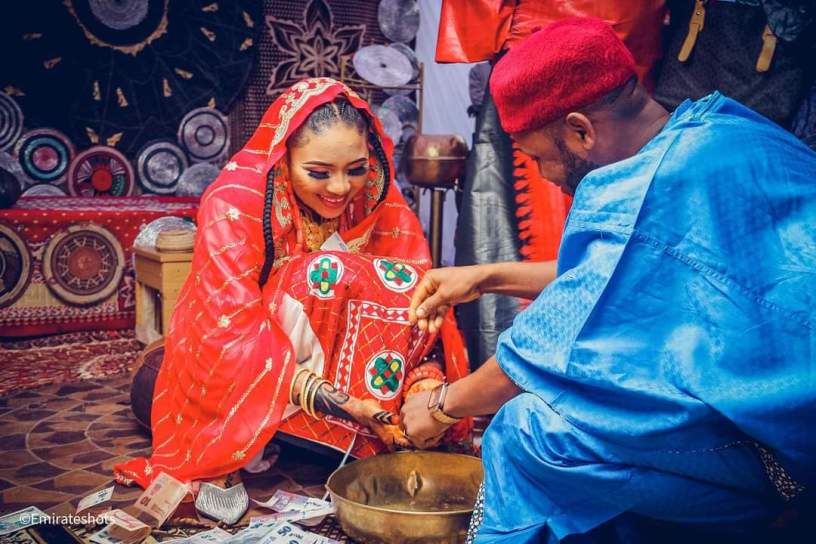
One of the most prominent Kanuri cultural practices in Kanem Borno is the tradition of “wushe wushe.”
This phrase, best associated with weddings, is a concise way of expressing appreciation and welcome.
Organically, it is used to welcome guests who have come to see the bride or to acknowledge the generosity of the bride’s family.
The groom’s family goes to great lengths to demonstrate their gratitude to the bride’s family for willingly entrusting their daughter to the groom’s family, mainly by providing abundant food, groceries, and clothing, known as “Fafarai.” This gesture symbolizes their deep love and cares for their daughter.
Kanuri culture is renowned for its practice of “wushe wushe,” while the twin Shuwa Arab community, who also practice the same, refers to theirs as “Hannano.”

Every Kanuri bride holds the “wushe wushe” tradition dear, as it signifies her pride and respect for the groom’s family, ensuring they recognize her value and the love her family holds for her. It is a significant honor for the bride and the groom’s family. In return, the groom’s family is expected to bring “kususuwa” and “Ganga kura” as part of their contribution to the occasion.
The groom brings cola nuts, sweets, soaps, and Ankaras as a gesture of appreciation to the bride’s mother, who is regarded as having provided them with a suitable wife.
Ganga Kura, a traditional dance, is performed outside the compound to demonstrate and affirm their inclusion into the family.
Later, the mother of the bride and her family, as well as friends, share some of the items brought in with the guests, who are present to witness the cultural event.
Sadiya Alhaji Bukar reflects on her experience, saying that participating in the wushe wushe ceremony is a great honor, as it allows the groom’s people to express gratitude towards her family. She particularly values the presence of Ganga Kura, as it entertains and fosters peace between both families.
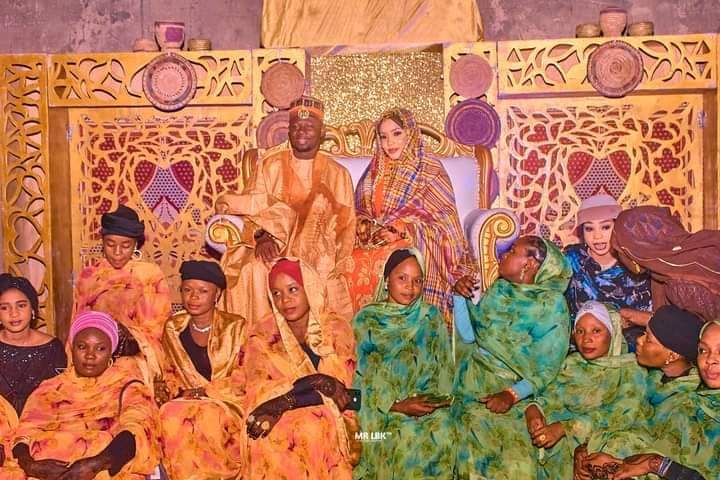
Sadiya considers this tradition to embody dignity, unity, and honor.
“Though Wushe Wushe comes a day before the wedding day, it is the best day in the life of a bride that every young woman or girl looks forward to, ” she said.
Wushe-wushe exemplifies the embracing culture of the Kanuri, often referred to as ‘Kannur,’ which symbolizes light – which by further analogy means civilized people. This cultural practice is deeply rooted in Borno, a region known for its peaceful nature – and one that enjoys an official accolade as the ‘‘Home of Peace.
 The Humanitarian Times