By Abdulkareem Haruna
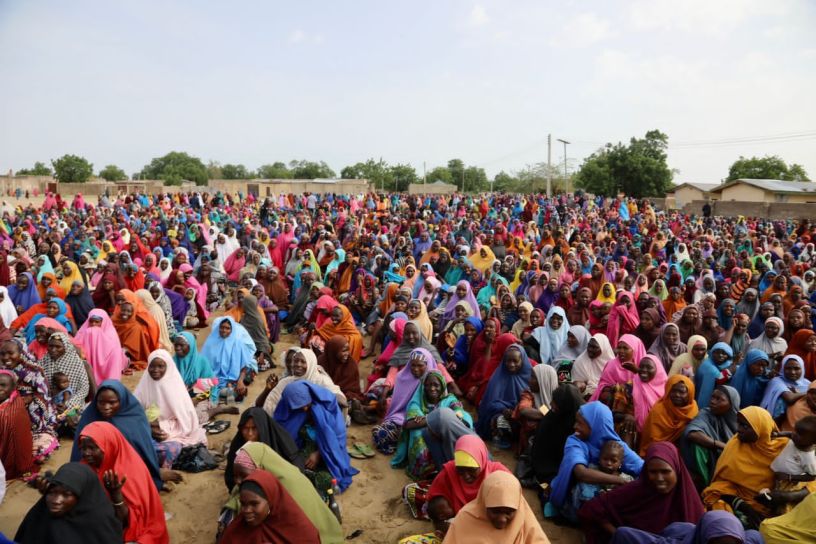
Maiduguri, Borno State – In a swift response to the escalating cases of hunger in remote communities where internally displaced persons (IDPs) have returned, Governor Babagana Zulum embarked on a series of emergency visits to provide immediate relief.
The governor’s actions came after reports emerged of desperate residents resorting to eating grass and engaging in other harmful measures to survive. The gravity of the situation was evident as the governor prioritized addressing the hunger crisis over attending important official ceremonies.
It is on record that on Monday, July 24, Governor Zulum personally flew to Kukawa local government, armed with both cash and food supplies, in an effort to salvage the dire situation.
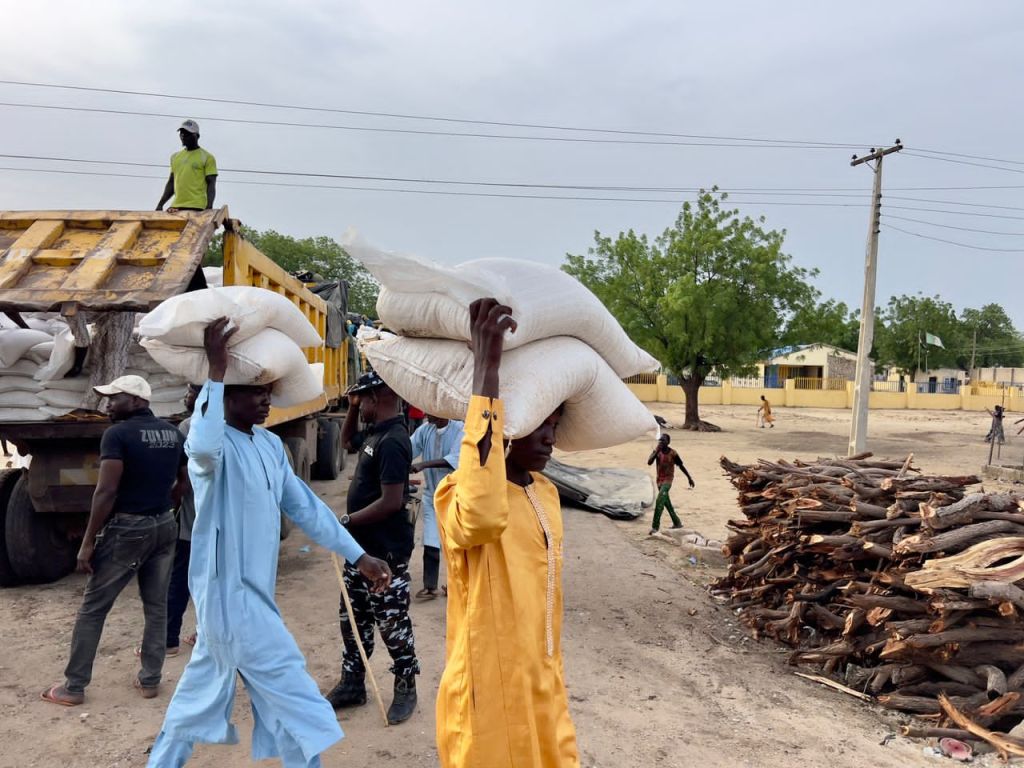
Kukawa, one of the areas heavily affected by the insurgency, had witnessed a surge in hunger-related issues due to limited access to food sources and economic instability caused by insecurity. Vulnerable individuals, lacking viable alternatives, had resorted to extreme measures to sustain themselves, further exacerbating their already precarious conditions.
During the previous weekend, Radio France International’s Hausa broadcast shed light on the plight of locals in the Doron Baga communities. The broadcast highlighted their lamentations about enduring hunger due to security-related restrictions on accessing farmlands and the ongoing crisis caused by herders encroaching on their agricultural lands.
Halima Maina, a mother with several children, recounted that the previous instances she had to escape her home were triggered by Boko Haram attacks. However, this time, her relentless pursuer was the agonizing grip of hunger and starvation.
“We are haunted by the relentless grip of hunger; people are perishing, men and women have been reduced to beggars,” she expressed with despair in her voice. “We are left with no recourse as neither the town nor the bush provide any solutions to our desperate need for food.”
Halima expressed her disappointment with the lack of timely food assistance from the government, which worsened their situation, especially considering the unfavorable rainfall they experienced last year.
However, the governor’s intervention provided a glimmer of hope for the distressed communities. By delivering immediate relief in the form of cash and food supplies, the governor aimed to alleviate the suffering and ensure that the most vulnerable residents could access nutritious meals.

This decisive action demonstrated the governor’s commitment to addressing the pressing needs of his constituents, even at the expense of his own attendance at significant official events.
Despite the demands of his previous visit, Governor Zulum found it necessary to travel to Ngala on Thursday evening to confront yet another hunger crisis. The region had been severely impacted by the prevailing economic hardships and persistent insecurity, which had led to an alarming increase in food scarcity.
The severity of the situation compelled the governor to prioritize immediate intervention and forego his attendance at the swearing-in ceremony for his media and security advisers, as well as the newly appointed 27 local government chairmen.
The governor’s sustained efforts to combat the hunger crisis in these remote communities underscored his unwavering dedication to the welfare of the people of Borno State. By personally attending to these pressing issues, he demonstrated a hands-on approach and a genuine concern for the well-being of his constituents.
While the governor’s absence from the swearing-in event was notable, his presence in the affected regions highlighted his commitment to addressing the most urgent needs of the state.
As the governor continues to take proactive steps to tackle hunger and insecurity, his actions serve as a beacon of hope for the people of Borno State. By swiftly responding to crises and providing immediate relief, he lays the groundwork for long-term solutions that encompass economic stability, enhanced security, and improved access to essential resources.
However, it is crucial to recognize that relying solely on food handouts and immediate responses from the state government is not a sustainable solution. To address the prolonged crisis, all stakeholders must come together and provide genuine support. This crisis, which has persisted for over a decade, can only be ended when the underlying causes, such as poverty, illiteracy, and unemployment, are effectively tackled.
 The Humanitarian Times