By Abdulkareem Haruna
ABUJA, Nigeria – The Civil Society-Scaling Up Nutrition in Nigeria (CS-SUNN), in collaboration with the Federal Ministry of Women Affairs, is taking a significant step towards enhancing the nutritional status of women and girls in Nigeria.
The partnership is developing the ‘National Guideline on Women and Girls’ Nutrition Empowerment for Optimal Development,’ a response to the identified gaps in existing policies that fall short in addressing the nutritional needs of non-pregnant, non-lactating women, and adolescent girls.
The initiative, which gained momentum under the leadership of former Minister of the Federal Ministry of Women Affairs, Her Excellency Dame Pauline Tallen, has broadened its scope to include representatives from all six geopolitical zones of Nigeria. This move ensures a comprehensive and nationally inclusive approach.
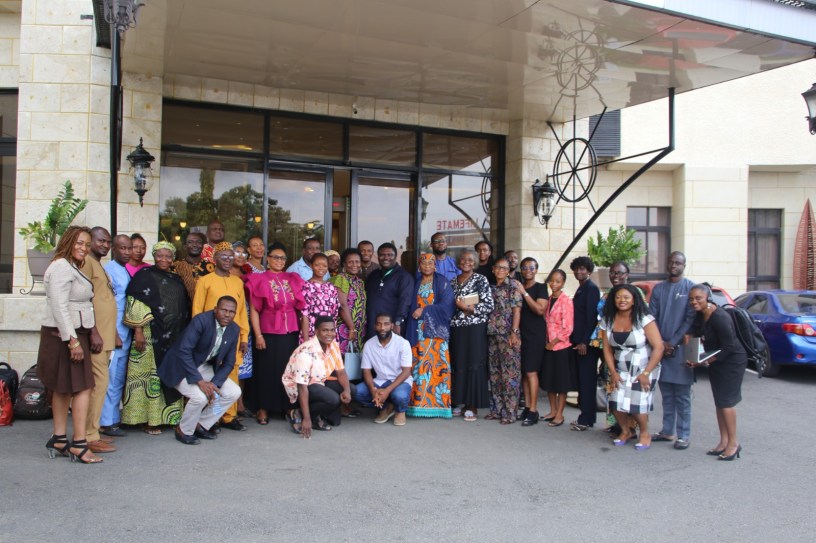
CS-SUNN recently convened an extended nutrition stakeholders meeting in Abuja, bringing together key representatives from various government ministries, state nutrition officers, and partner organizations.
The meeting aimed to review the content and structure of the National Guideline on Women and Girls Empowerment for Optimal Nutrition in Nigeria.
Mr. Sunday Okoronkwo, the Executive Secretary of CS-SUNN, underscored the importance of the initiative, stating, “Let’s all make this count. When women are empowered, they can make better health decisions, and have greater autonomy in household decisions including food allocation. Empowering a woman has multiplier effects for the society as these women can contribute her quota to transforming the society.”
Mrs. Christiana Oliko, representing the Permanent Secretary of the Federal Ministry of Women Affairs, echoed this sentiment, saying, “I commend CS-SUNN and other partners in the nutrition space for their commitment and steadfastness in ensuring that the goal of achieving optimal nutrition for women and girls’ for their self-actualization and effective contribution to nation building is achieved.”
The proposed national guideline, presented by Consultant Prof. Kola Matthew Anigo, provides a comprehensive roadmap for women and girls’ nutrition. He said, “the purpose of this assignment is to come up with Guidelines that will both enable and enhance women and girl’s empowerment for optimal nutrition in Nigeria and to cut across sectors/policies specifically meant for the empowerment needs of women and girls such as would enhance their access to optimal nutrition.”
Stakeholders expressed their support for the proposed guideline. Asa’mau Abubakar Mohammed, the Niger State Nutrition Officer, said, “It is important to develop a guideline that will ensure the empowerment of women and girls across the nation. It is important to get perspectives from the state level to ensure the document’s nationwide relevance.”
This initiative signifies a commitment to holistic approaches that will lay the foundation for building healthier communities where women and girls thrive. The development of this national guideline is a significant step towards achieving optimal nutrition for women and girls in Nigeria.
 The Humanitarian Times