By Zainab Yetunde Adam
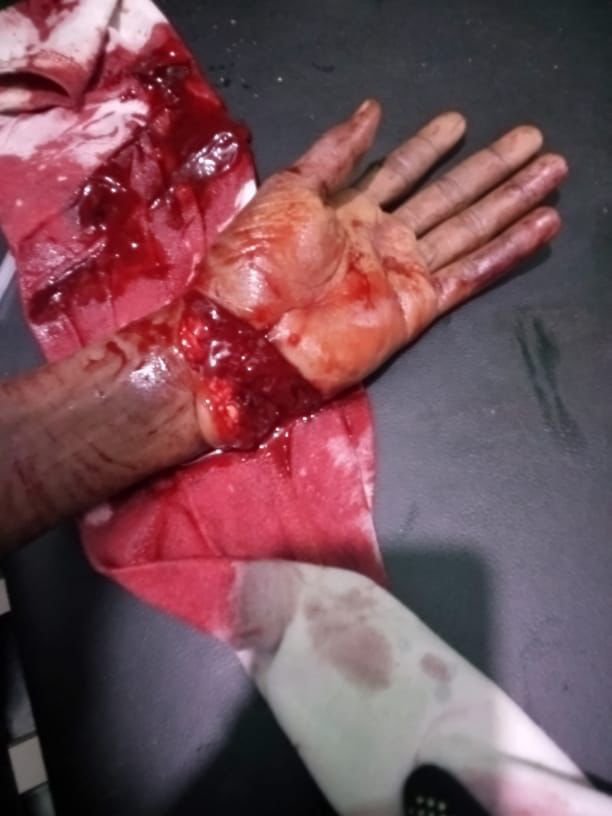
Fatima Nur has witnessed countless acts of violence in Maiduguri, northeastern Nigeria, including stabbings and amputations. She vividly remembers the day her son Abdulrahman Isa’s hand was severed by a violent youth group in Old Maiduguri.
According to Nur, her son was ironing his school uniform when a notorious cult gang, called the Kangale group, from Abbaganaram attacked him with a machete.
Nur, with tears in her eyes, explained that her son has been receiving treatment for the past eight months, but his condition continues to worsen, preventing him from taking his WAEC exams. She has depleted all her resources for his treatment and has now sent him to relatives in Kano for financial assistance with medical bills.
“The youth group claimed injuring my son was accidental, and I took the case to court, but nothing substantial came of it… I feel the poor no longer have access to justice,” she lamented.
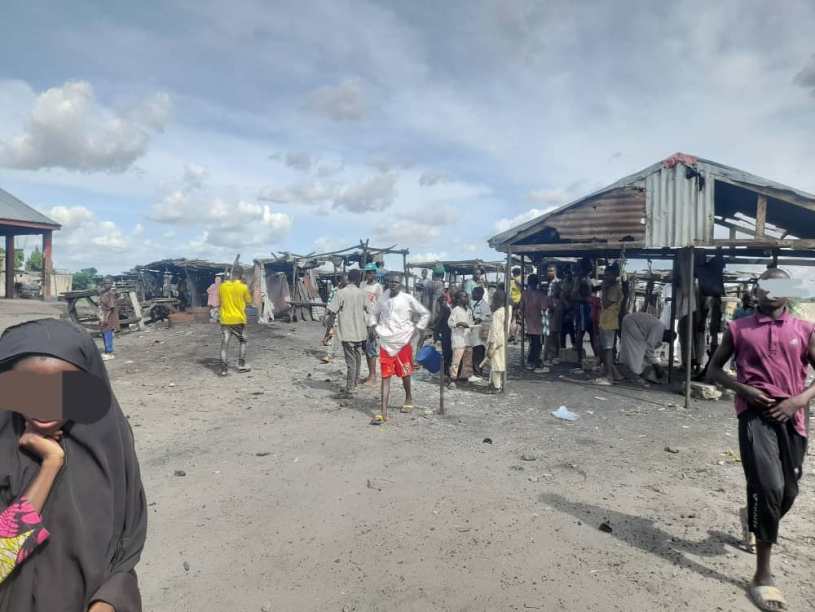
Maiduguri, the birthplace of Boko Haram Terrorism that has devastated the Lake Chad region for over a decade, now experiences less terrorism. However, various violent groups have emerged, threatening the city’s security progress. Residents and experts attribute this to inadequate post-conflict stabilization programs and limited opportunities for victims to rebuild their livelihoods, pushing young people into violent crimes.
From 2018/2019, unemployed youths under 18 formed violent groups in Maiduguri. These groups, collectively known as Marlians, are notorious for phone snatching, burglary, property destruction, rivalry fights, stabbings, and murder. The Borno State government is now taking action to curb this menace.
Baba Judum (alias), a former resident of Old Maiduguri, explained that these notorious groups started as friendship circles that contributed small amounts to support each other and celebrate weddings before turning violent.
Nigeria is grappling with escalating socio-economic crises, with a large youth population lacking opportunities for advancement.
Development expert, Professor Ibrahim Umara, noted that 70% of Nigeria’s population is comprised of youths under 35, who face limited job opportunities and lack a conducive environment to realize their potential. This is further exacerbated by security challenges in the North East.
“Corruption in selecting beneficiaries of livelihood interventions, which is a part of the indignation of human moral, must be stopped before we can succeed or else the situation will be difficult to handle,” Prof Umara warned.
Human rights activist, Lucy Yunana, added that when a child finishes university and is unemployed or idle, they will inevitably start thinking about how to earn money.
Common Trend
This reporter discovered a common thread among the groups. Umar Mohammed, who has been part of multiple groups, explained that his group was created to foster unity among peers and defend themselves through unarmed fights. However, their idea of unity involves violent initiation rituals and deriving pleasure from others’ pain.
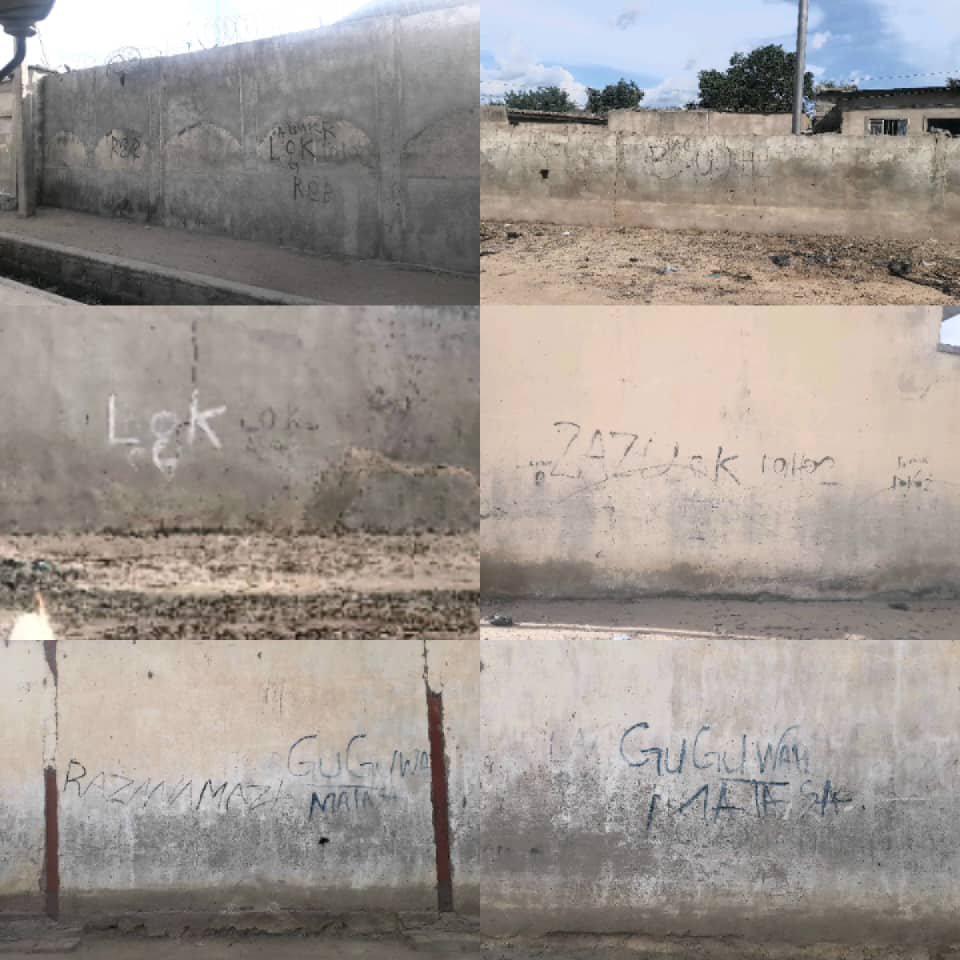
Photo credit: Zainab Yetunde Adam
Ex-group members interviewed claimed they were arrested without committing any crime by the police. One such individual is Hassan Ramadan, who spent time in custody for sporting a hairstyle associated with the Marlians.
Ramadan is among the 5.9 million people who left school early. He dropped out of school at Senior Secondary School (SSS) One to support his parents. He earns between N300 to N500 from his daily work and aspires to earn more to start a business. However, he has missed opportunities for learning and skill development. According to a 2022 UNICEF fact sheet, 66% of all Out Of School Children (OOSC) are in the North East and North West. 86% are from rural areas, and 65% are from the poorest quintile, leading to intergenerational poverty, inequality, and limited access to meaningful employment.
Taha Musa, another individual affected by these circumstances, questioned the authorities’ decision to allow the sale of Marlian outfits if they are not considered appropriate. “These clothes are sold at the boutique and if they are exhibit they shouldn’t be allowed in the state. We agree to cut our hair as instructed …but we buy trousers for around N7000/ N8000 and get beaten for wearing them,” he lamented.
Bello Bala, a former group member, confirmed that there are three types of Marlian groups, each with distinct attire and hairstyles.
“I have been to Port Harcourt and the real Marlians are there. They are involved in phone snatching, murder, and other social vices,” Bala stated. He noted that many Maiduguri residents, or those he knows, who are in search of better opportunities and engage in metal scavenging, partake in such acts in Port Harcourt and other Southern states.
In June this year, the Nigerian Army arrested 15 members of the Marlian gang following swift investigations into the gang’s activities in Gwange, Umarari, and Jajeri areas of MMC. The Borno State Police Command arrested 78 suspects for various offenses, including murder, burglary, and theft, in 14 communities across Maiduguri metropolis and Jere Local Government. This included a gang of ten hoodlums who attacked a police constable, Babagana Mala, assigned to the Police Crack Unit on July 23.
The Commissioner of Police, Muhammad Yusufu Lawal, emphasized the need for parents to instill good morals in their children and build trust through community collaboration to foster peace. Commander CJTF, Sector 4, Baba Shehu Abdulgani, stated that the CJTF has 50 members working jointly with the police and NSCDC in the ongoing Anti-Marlians and Anti-Gidan rawa operations.
“Each Marlian group has about 40-50 members. They treat gangsterism like a hobby because they are often under the influence of drugs,” Abdulgani explained.
Borno state Commissioner of Information and Internal Security, Professor Usman Alhaji Tar, said the government is working diligently to create economic opportunities for youths, particularly those involved in criminal activities, to curb criminality in the state.
“Any youth that said he is engaging in crimes because he has nothing to do is not being smart. One thing in life is you take advantage and key into opportunities around you,” he advised.
 The Humanitarian Times