By Abdulkareem Haruna
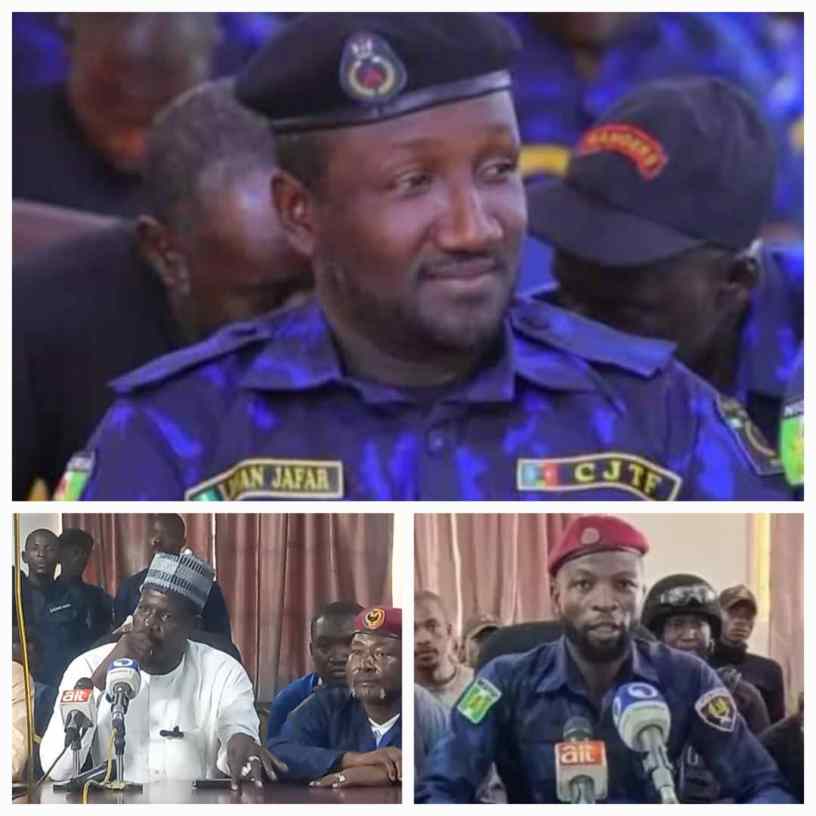
A crisis unfolded over the weekend within the Civilian Joint Task Force (C-JTF), a volunteer security force in Borno state, when a faction of the organization attempted to unseat its founding leader and President, Ba’Lawan Jafar.
The controversy centers around allegations of corruption, specifically bothering on alleged, but yet to be verified, diversion of 13 operational Hilux vehicles intended for CJTF use.
Led by CJTF’s Auditor General, Bashir Abbas, the aggrieved faction promptly called for a press conference and replaced Ba’ Lawan Jafar with Baba Shehu Abdulganiyu, a top sector commander and one of the of the influential lieutenants of Ba’Lawan.
Citing Article 6 Rule 1 of the CJTF constitution, Bashir said his group has appointed Baba Shebu Abdulganiyu, the Commander of Sector 4 CJTF, as the acting President of the organization.
“Abdulganiyu will lead the organization until a substantive leader is appointed,” Abbas announced,” he said.
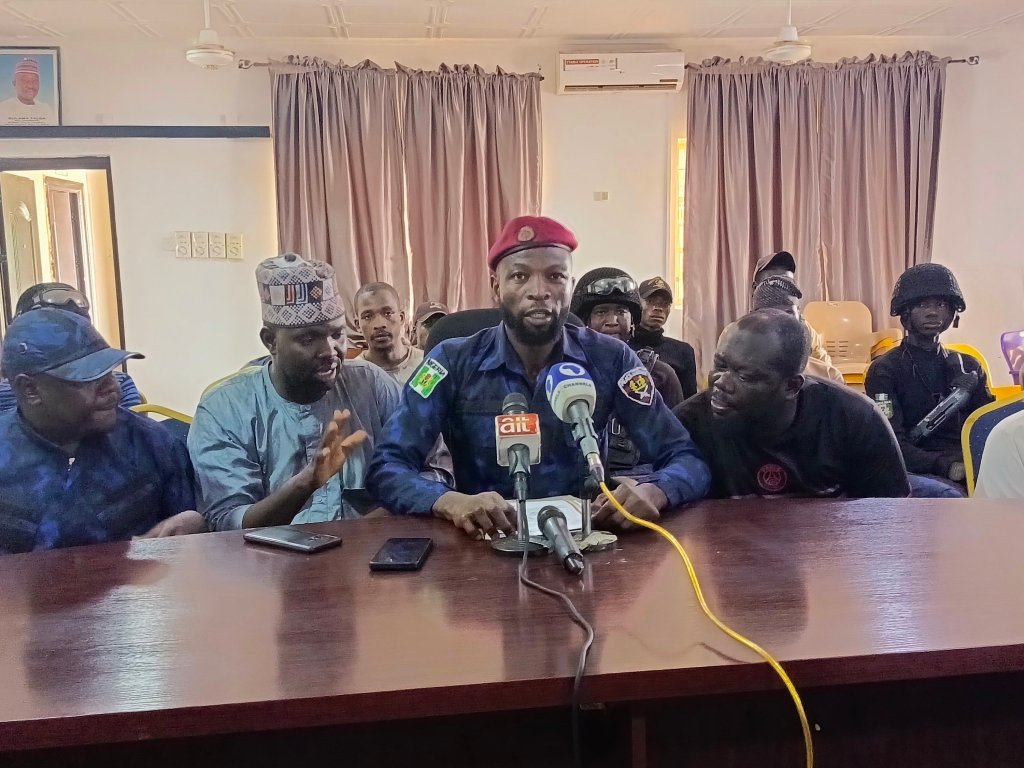
The group, reading from a terse one-page press statement, also announced that it has reinstated four of its former members who were suspended about two years ago for allegedly accusing state government officials of withholding salaries of the C-JTF operatives. The group said the four suspended officials, comprising Babakura Mustapha, Abba Aji Kalli, Abba Tijani Sadiq, and Bar. Jibrin Tela Gunda been pardoned following the intervention of Governor Zulum, who urged them to write an apology letter for circulating false information about unpaid CJTF salaries two years ago.
Ba’Lawan denied these allegations, accusing his critics of being influenced by a group seeking patronage from the state government. He insisted that he still enjoys the support of the majority of the CJTF commanders, including Abdulganiyu, who was announced as his successor.
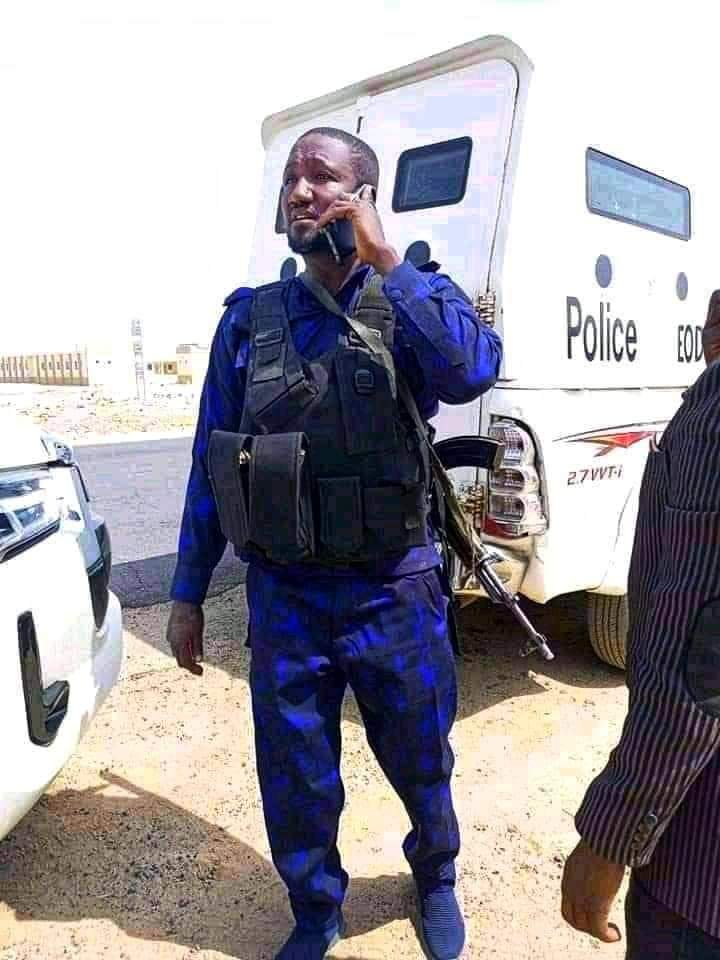
The Humanitarian Times intends to delve into the details of the crisis and explore the motivations of the parties involved.
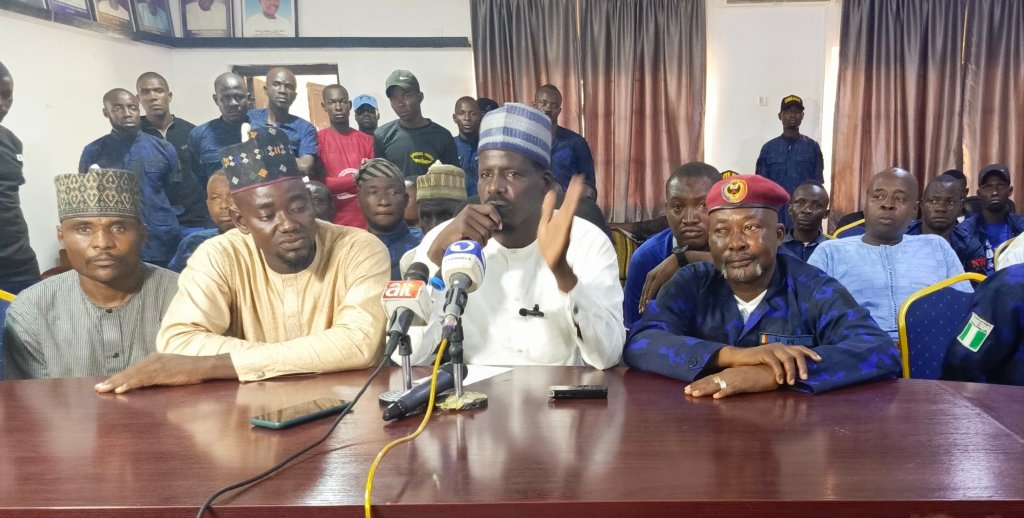
Auditor Bashir, who acted as the spokesperson of the aggrieved faction, said he had a strong-backing of the group and authorities at the higher echelon of government to announce the dismissal of Ba’Lawan Jafar as the President of CJTF.
Allegations against Jafar involve the misappropriation of Hilux vehicles provided by the Borno State Government and the NNPC for operational purposes. Leveraging on the CJTF constitution, Bashir’s faction said it had suspended Jafar and appointed Baba Shehu Abdulganiyu as the acting President until a new leader is chosen.
Rebuttal from the Faction Supporting Ba’Lawan Jafar:
In response to Abbas’ announcement, a larger faction of CJTF members, led by Abdulganiyu, perceived to be loyal to Ba’Lawan Jafar, to dissociate with the earlier press conference led by Abbas’ group.
Led by Abdulganiyu, who was supposed to act as president, the second group voiced their unequivocal support for Jafar and accused Abbas’ group of being influenced by the four previously dismissed individuals, whose reinstatement was announced during the press conference.
Involvement of External Influences:
Sources with knowledge of the situation revealed that shortly after the Abbas group declared Ba’lawn impeached, the faction supporting Ba’Lawan Jafar visited the office of the DSS, where Abdulganiyu was allegedly advised to reject the appointment as acting president and denounce the actions of the opposing faction. Heeding to the advice, Abdulganiyu and his backers maintained their support for Ba’Lawan Jafar.
Claims of Government Backing
Both factions claim to have the support of the Borno State Government, adding complexity to the crisis. The Abbas faction asserted that they had the government’s support to conduct the press conference and impeach Ba’Lawan Jafar, a claim also echoed by the opposing faction.
However, the grapevines accounts claimed that Governor Zulum, though not present in the state, reportedly contacted Abdulganiyu and warned him against accepting the appointment and urged him to address a press conference reflecting that stance.
Motivations and Unanswered Questions
The exact motivations behind the push to remove Ba’Lawan Jafar from his leadership position remain unclear. Speculations revolve around the alleged misappropriation of the diverted Hilux vehicles, as well as Jafar’s refusal to pardon the four previously suspended CJTF leaders who failed to provide a letter of apology. The interplay between these factors and other underlying dynamics within CJTF requires further investigation to ascertain the primary motivations behind the crisis, which many discerning minds believe there are more to it than meets the eye.
It is even more interesting that both parties claimed to have the support of the state government and that their actions were popular among the ranks of the CJTF.
This may further support the claims of large-scale corruption within the conventional military and security outfits managing the 14-year Boko Haram war, and perhaps suggests how the poor accountability of government funds in the war has become normalized.
Concerns
Even as we struggle to understand the CJTF controversy, it is important to note that the mere mention of high-level corruption within the ranks of the volunteer security force should concern us all.
 The Humanitarian Times