By Abdulkareem Haruna
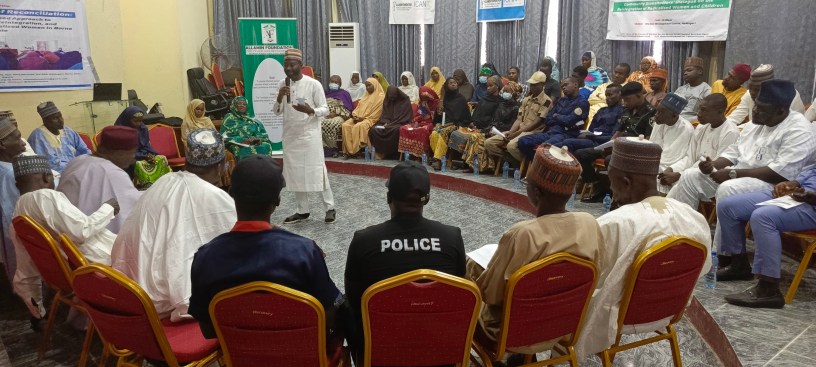
In a recent gathering in Borno state, local community leaders outlined an approach to peace-building and the successful reintegration of surrendered Boko Haram militants and their families.
The Allamin Foundation, a local NGO, hosted an event to discuss the large-scale surrender of Boko Haram fighters, praising the Borno state government for initiating the process. Yet, concerns were raised about the necessary steps to ensure community acceptance and amnesty for these individuals, many of whom are survivors or influenced by the terrorist group.
Under the ICAN-funded project, “Building the Bridge of Reconciliation: A Community-Based Approach to Radicalization, Reintegration, and Empowerment of Radical Women in Borno State,” the Allamin Foundation brought together a diverse group of stakeholders. The group included traditional leaders, religious figures, security personnel, mental health professionals, and representatives from women’s and youth organizations. Their goal was to discuss and advise on the government’s strategy for reintegrating over 100,000 surrendered militants in a way that is genuinely accepted by the community.
Hamsatu Allamin, the CEO of the Allamin Foundation, stressed the need for the government to engage in dialogue with the community and the repentant Boko Haram members before implementing reintegration.
Scholar and religious leader, Sheik Ibrahim Ali Mustapha, proposed three critical steps for sustainable reconciliation within the community. He emphasized the need for community members to educate repentant terrorists about the unacceptability of their past actions, grounded in faith and divine disapproval.
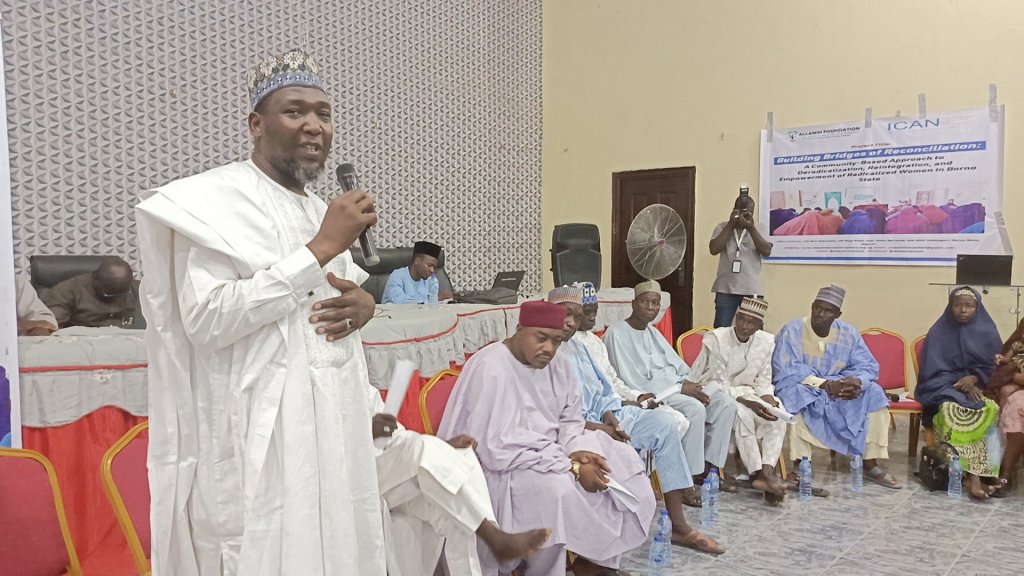
“To do this, we, as victims, must put aside our anger and seek to engage with those who have surrendered but still harbor radical beliefs. This can foster an environment of acceptance and safety,” he explained.
Sheik Mustapha also urged against stigmatization of children born to former wives of Boko Haram members. He encouraged the community to take responsibility for these children, advocating for their enrollment in both Islamic and Western educational institutions to reshape their mindset.
“All of us must commit to funding their education and providing guidance to prevent the rise of a more extreme generation,” he said.
He further emphasized the need for forgiveness and genuine repentance, understanding that the community cannot be forced to forgive, but should be encouraged to do so if the culprits show sincere remorse.
Additionally, Sheik Mustapha suggested a responsibility for religious leaders to condemn extremism in their daily sermons.
Mental health expert, Comrade Zannnah Shettima, echoed the call for reconciliation through dialogue.
“Though people have legitimate grievances and our laws demand punishment for such actions, the scale of the problem is huge. We need to recognize the limitations of government action and push for restorative justice alongside retributive justice,” he said.
Shettima, argued for open dialogue with offenders, acknowledgment of offenses, and active seeking of forgiveness. He also advocated for more robust support systems for victims’ families, similar to those provided to repentant Boko Haram members.
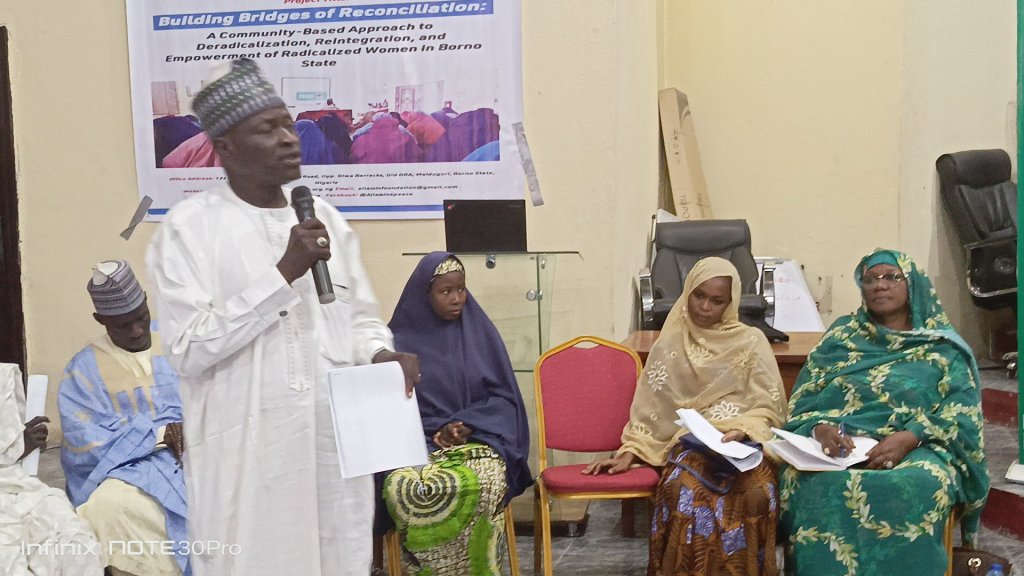
He called for a reduction in public stigmatization of women associated with the terrorist group, advocating instead for support in their reintegration into society.
victim’s families and survivors; their voices should not be disregarded. The government should provide support systems to help them move forward with their lives, similar to the assistance provided to those who have renounced Boko Haram. By doing so, these individuals would experience some relief from the burden of trauma and suffering.
“We should also reduce the public stigmatization and profiling of rescued women or the wives of repentant or deceased terrorists who have returned home, as they too are victims. Many of them were abducted and forced into marriages. Instead, we should focus on ways to help them reintegrate into society, including supporting their ability to remarry. If we subject them to hatred and stigma, they may be compelled to return to the bush where they feel a sense of belonging and acceptance.”
Women participants at the event also speak on efforts they are making at the community level to draw their fellow women who returned from the bush closer. Security operatives at the meeting also lend their voices to the need for forgiveness and reconciliation, stressing that the mistakes of the past should be used as a condition for how people relate with one another in a post-conflict era.
Women attending the event spoke about their community-level efforts to engage women returning from Boko Haram influence. Security officers also emphasized the need for forgiveness, advising that past mistakes should guide interactions in a post-conflict era.
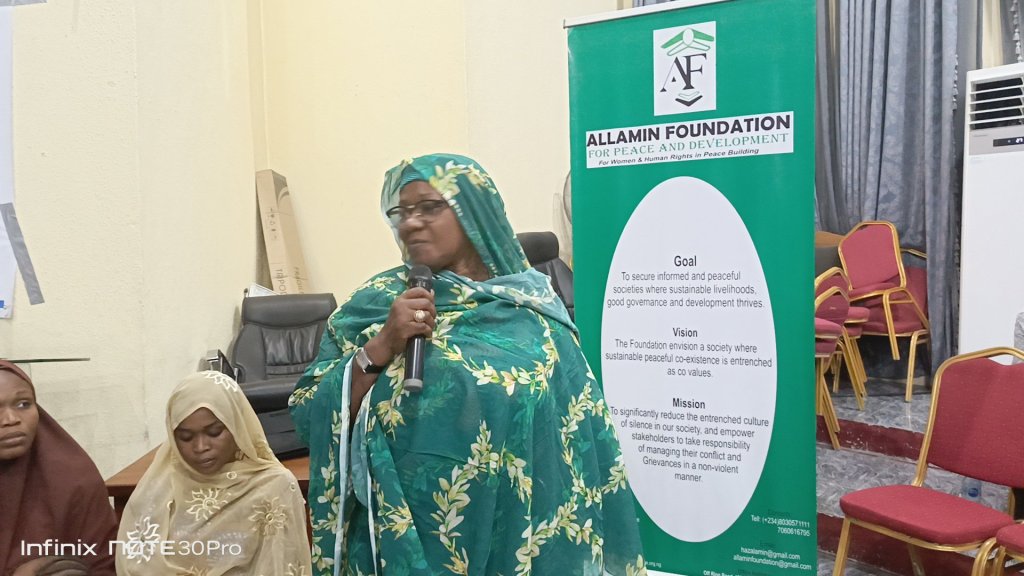
In closing, Hamsatu Allamin expressed gratitude for the candid input from all participants. She assured that their recommendations would be thoroughly considered and forwarded to the government.
“As an NGO , we aim to assist and work with the government. I want to acknowledge the efforts of the Borno state government for setting in motion a process that has received widespread approval from the state’s residents,” Allamin stated.
 The Humanitarian Times