By Abdulkareem Haruna
Amnesty International announced Friday, Nov. 3, that its request for justice regarding enforced disappearances in northeast Nigeria is now a pending case, after official receipt by the Nigerian government.
“This is just the first step, said Isa Sanusi, Nigeria Director, Amnesty International said.
“We call on the Nigerian authorities to cooperate closely with the court in its proceedings, to conduct an independent, impartial and effective investigation into cases of enforced disappearances in Northeast Nigeria.”
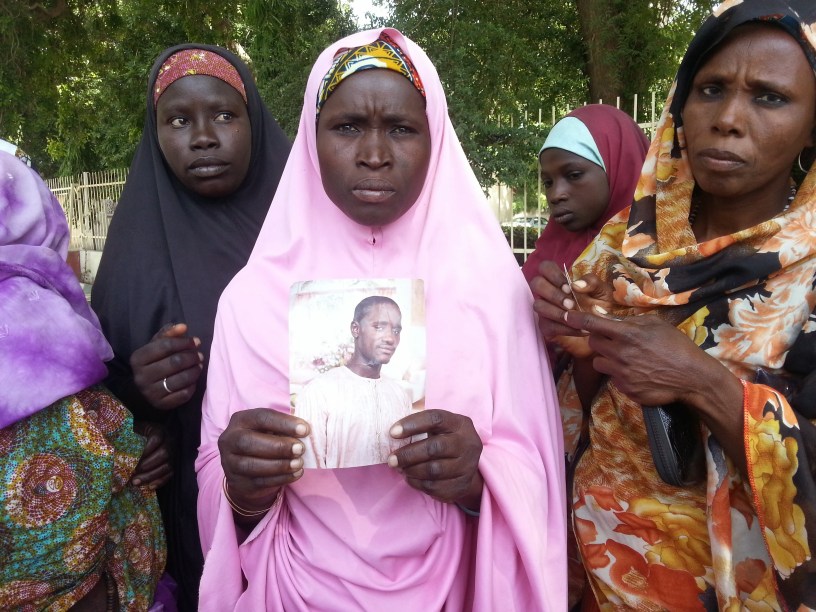
Enforced disappearances, a result of the ongoing Boko Haram insurgency, have become a grave issue in the region. Abductions during terror attacks have separated many from their families, while arbitrary arrests and detentions by the Nigerian military and other counter-insurgency forces have added to the problem.
The International Committee of the Red Cross reported in August 2022 that over 25,000 Nigerians were missing in the northeast alone. Of the 64,000 missing across Africa, Nigeria accounts for the largest proportion, making it the African nation with the most missing persons.
Despite these alarming numbers, Nigerian authorities have shown little urgency in finding the victims or ensuring justice. The national report on missing persons wasn’t submitted until September 2023, almost nine years late.
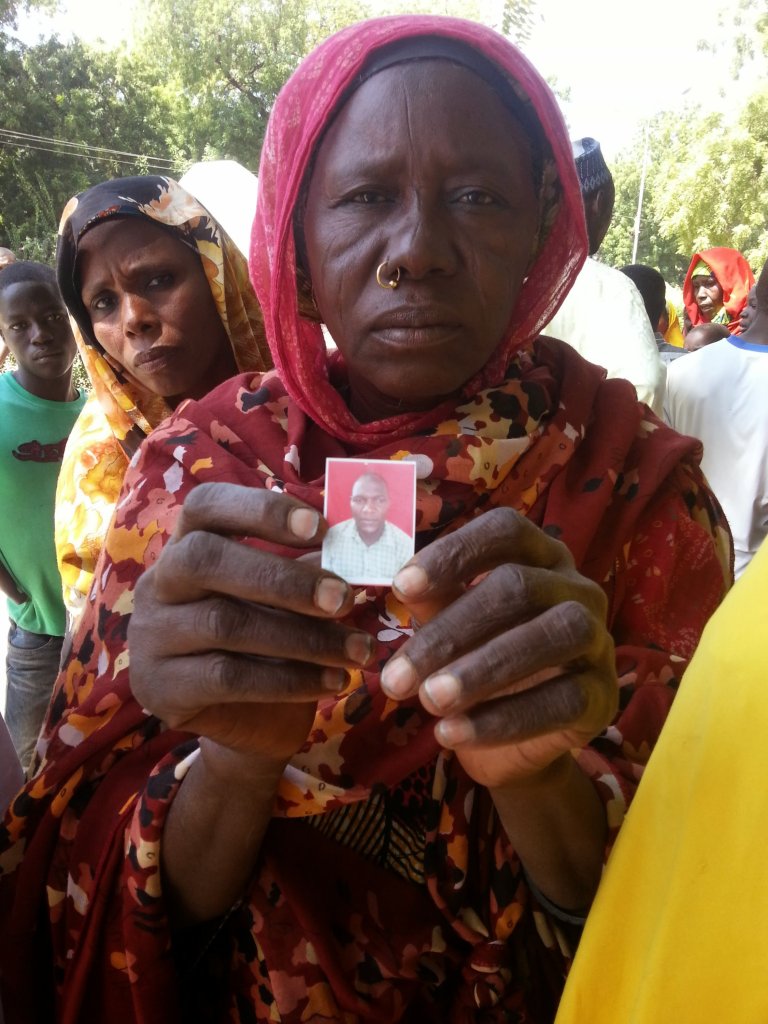
A lengthy investigation by HumAngle uncovered mass graves of victims reportedly buried or discarded by the Nigerian military. HumAngle also reported instances of military personnel shooting and extorting victims’ family members.
Documentation of the missing persons issue in Nigeria remains scant. The ICRC’s work and the HumAngle Missing Persons dashboard, which records over 3,600 cases of missing persons in the Northeast, are among the few resources detailing the problem.
Amnesty International’s newest initiative strives to bring justice to victims and their families.
“The ECOWAS Court remains one of the few remaining avenues for accountability and justice for victims of enforced disappearances in Nigeria and their families, who deserve to know the fate and whereabouts of their loved ones,” the organisation’s Nigeria Director said on Friday.
He further stated that the ECOWAS court has the potential to facilitate the attainment of justice by explicitly denouncing the infringements of human rights and the Nigerian government’s inadequate efforts in conducting thorough investigations and legal proceedings.
 The Humanitarian Times