By Abdulkareem Haruna
Governor Babagana Zulum of Borno State has continued to enjoy global spotlight for his personal dedication to restoring peace and livelihood in the conflict-ridden areas of his state.
In a move that was both bold and risky, the governor kept traversing dangerous terrains to ensure that normalcy returned to the conflict-torn regions of the state.
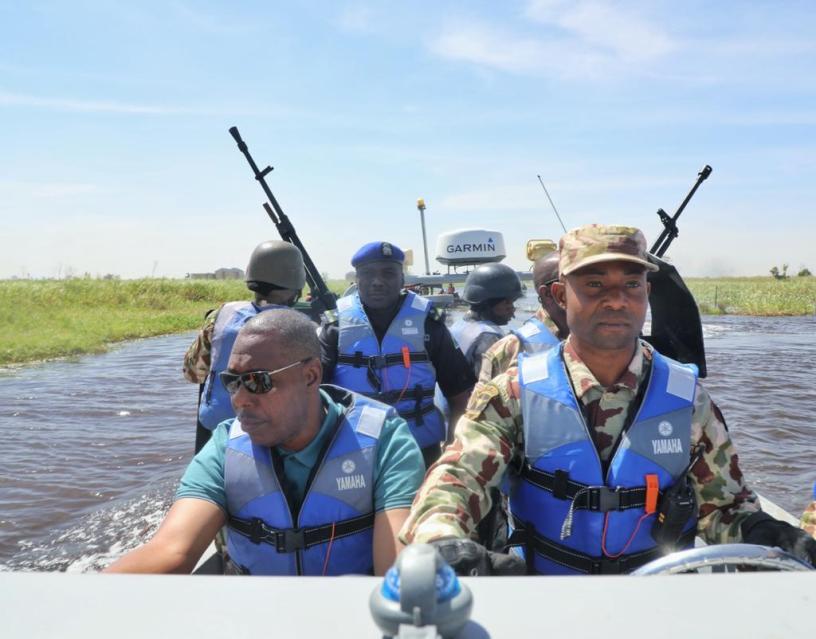
Zulum’s recent 20km boat journey across the ISWAP-threatened waters of the Baga area of the Lake Chad Basin is a testament to his commitment. The governor, on Monday, Nov. 20, braved potential security risks to examine the potential for increasing agricultural activities and trans-border trade, demonstrating a hands-on approach that is somewhat unusual for high-ranking politicians.
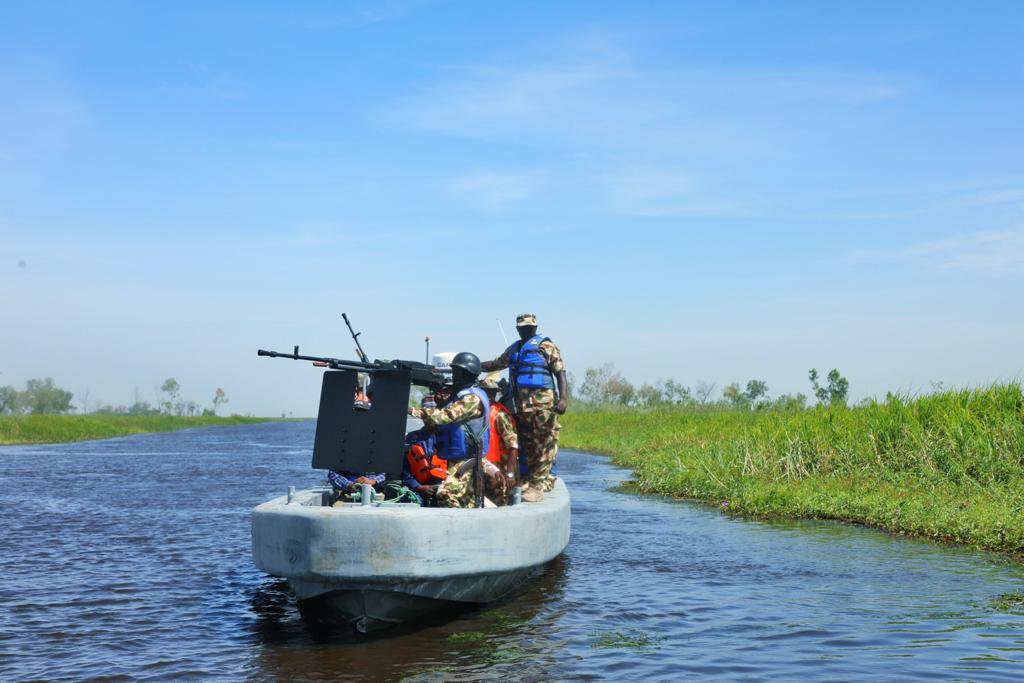
His plan to stimulate agriculture and trade in the Lake Chad Basin, which spans across four bordering nations, including Chad, Niger, Cameroon is ambitious and promising. Not only would it open up avenues for economic growth, but it also provides a lifeline for communities that have depended on government support and humanitarian aid in the past years.
Zulum’s personal involvement in this initiative underscores his commitment to ensuring that these plans translate into tangible improvements for the good people of the state.
Zulum’s focus on clearing the waterways to facilitate boat transport from Baga to Chad is also a significant move. By enhancing connectivity and opening up trade routes, the governor is creating opportunities for economic exchange and cooperation, which can potentially foster peace and understanding among the different nations sharing the Lake Chad Basin.

Furthermore, the governor’s approval of the construction of a large-scale higher Islamic College in Baga town signifies his commitment to education as a key to lasting peace and prosperity. By integrating non-formal education into the formal education sector, Zulum is making a strategic move to bridge the education gap and provide opportunities for the youth, a critical step in mitigating the risk of them being drawn into conflict.
However, these proactive measures come with significant risks. The conflict-stricken areas of Borno State have been the hotbed of insurgent activities. By personally visiting these areas, Zulum is, no doubt, exposing himself to potential security threats. Nevertheless, his personal risk-taking signifies a level of dedication that is both commendable and necessary to bring about significant change.
By and large, it remains to be seen how effective these efforts will be in the long term, but his commitment to personal involvement in the peace and development process is raising the bar setting a new precedent for leadership in Nigeria, especially in conflict-ridden regions.
 The Humanitarian Times