By Abdul Kareem
To reduce preventable deaths among mothers and babies in northeast Nigeria, it is suggested that the governments of the region’s six states allocate 80 percent of their health budgets to enhance primary healthcare delivery at the local level.
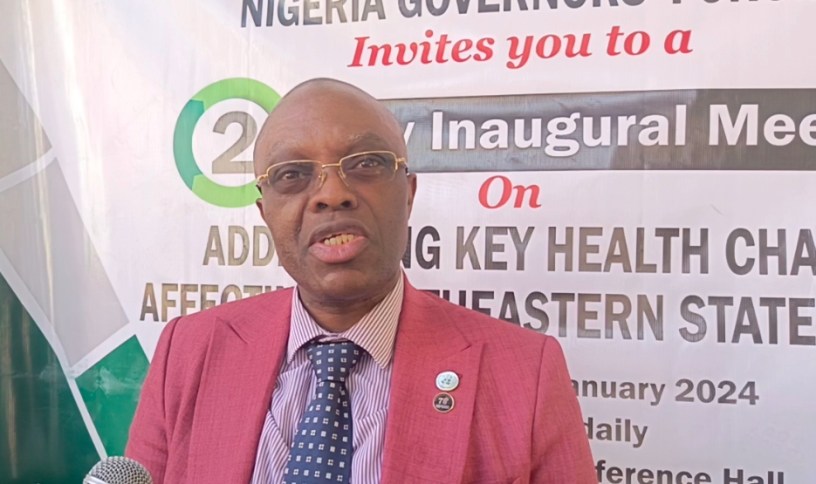
This advice was given by the Country Representative of the WHO in Nigeria, Dr Walter Mulombo, in an interview granted to HumAngle in Maiduguri, the Borno state capital.
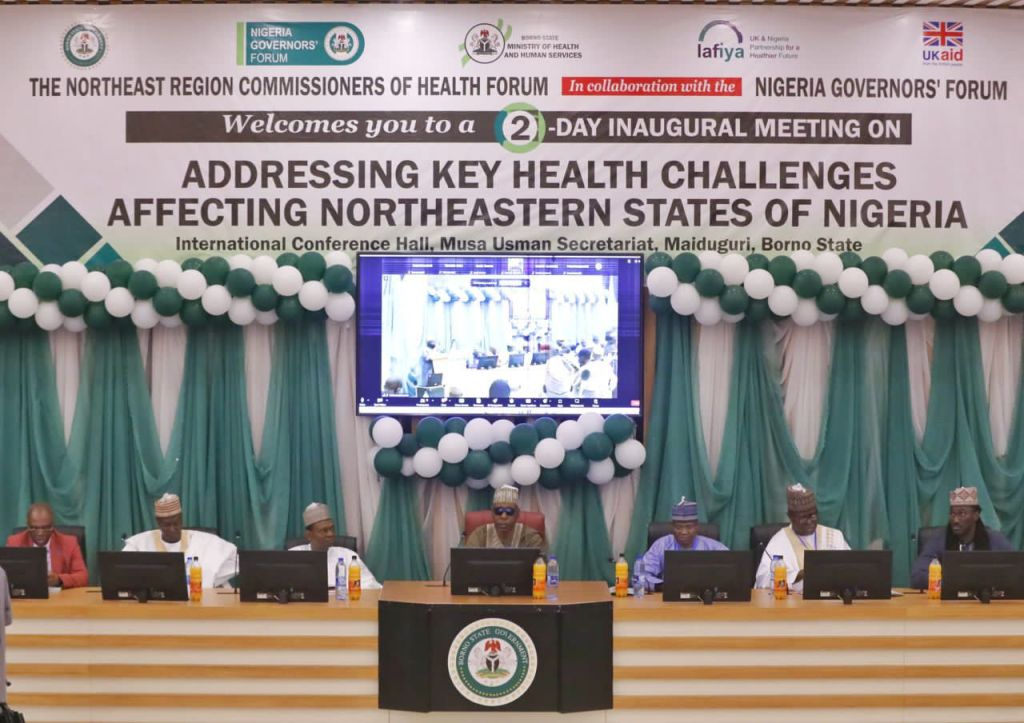
Dr. Mulombo who was a guest of honour at the two-day inaugural meeting of the Northeastern States Commissioners of Health in Maiduguri, on Tuesday, Jan. 23, had also delivered a compelling message to the governors of the region, urging them to allocate a substantial portion of their state health budgets to primary healthcare.
Speaking on the theme of the event: ‘Addressing Key Health Challenges Affecting Northeastern States of Nigeria,’ Dr. Mulombo emphasized the pivotal role of primary healthcare in mitigating the pressing health challenges faced by the region. He stressed the need for a significant shift in the allocation of resources, advocating that at least 80% of the health budget should be channeled towards primary healthcare, rather than tertiary health institutions.
Dr. Mulombo’s request for significant budget increases in the primary healthcare system comes at a time when most states in the region boast about achieving the 15 percent budget allocation for health, as outlined ago in the 2001 Abuja Declaration
In 2001, African Union countries established the Abuja Declaration, which set a goal for each country to allocate a minimum of 15% of their annual budget to the health sector. As of February 2023, African leaders reaffirmed their commitment to meeting this target.
For 23 years, Nigeria and most of its states have been unable to meet this benchmark, while the healthcare system continues to face challenges, putting vulnerable citizens such as women and children at risk of preventable deaths.
As states like Borno, Yobe, and Gombe boast about reaching the 15 percent benchmark, the World Health Organization is urging improved accountability in allocating these funds.
“The allocation of resources is critical to improving the healthcare landscape in the region,” Dr. Mulombo told HumAngle. “It is not just about the amount allocated but the way those resources are being used.”
Citing the unique challenges faced by the Northeastern states, Dr. Mulombo highlighted the difficulties in reaching certain areas, which further compound issues related to maternal and neonatal mortality. He emphasized that the allocation of resources and their effective use are crucial in addressing the root causes of maternal mortality, such as delays in seeking care, referral issues, and the availability of services. He also pointed out the low rate of family planning, which contributes to a significant percentage of maternal deaths.
Dr. Mulombo stressed the importance of political leadership, particularly from the governors, in demonstrating a strong commitment to the allocation and utilization of resources for healthcare.
He noted that while many governors in the Northeast aim to allocate 15% of their state budgets to health, it is essential to ensure that a significant portion of this allocation is directed toward primary healthcare.
In addition to the allocation of resources, Dr. Mulombo highlighted the need to address the challenge of human resources for health, particularly in a country like Nigeria, which has been significantly affected by the brain drain phenomenon.
He advocated for a deliberate strategy “to transform brain drain into brain gain” by focusing on strengthening the capacity of grassroots-level human resources.
Dr. Mulombo proposed a comprehensive approach that includes recruiting healthcare workers from within the community, providing them with training, and ensuring that they serve their local communities.
The WHO country representative also emphasized the importance of well-equipped facilities and an effective referral system, including ambulance services, to facilitate the seamless transfer of patients from lower-level healthcare centers to higher-level facilities.
He had earlier informed the commissioners of health that a robust primary healthcare system is necessary to enable the detection, screening, and treatment of people at the community level, while also offering information and advice to communities to prevent and manage diseases.
He added that Nigeria’s President Tinubu’s insistence on increasing investment in Nigeria’s healthcare will enhance human capital accumulation, drive development, and improve productivity for present and future progress. Therefore, increased investment in primary healthcare, encompassing sexual, reproductive, maternal, and child health, is crucial to grant access to the most vulnerable, foster more equitable societies, and bolster local and national economies.
“Robust primary healthcare systems are the fairest, most affordable way to meet today’s health challenges. Cost-effective services provided at the local level are key to minimizing an individual’s health spending.”
With an annual record of 540 deaths per thousand women and children in Nigeria, the country ranks second globally for maternal and child mortality.
Meta: WHO’s call for 80% health budget allocation to primary healthcare in Nigeria’s Northeast.
SEO: WHO, 80 percent health budget, primary healthcare, maternal, neonatal mortality
 The Humanitarian Times