By Abdul Kareem
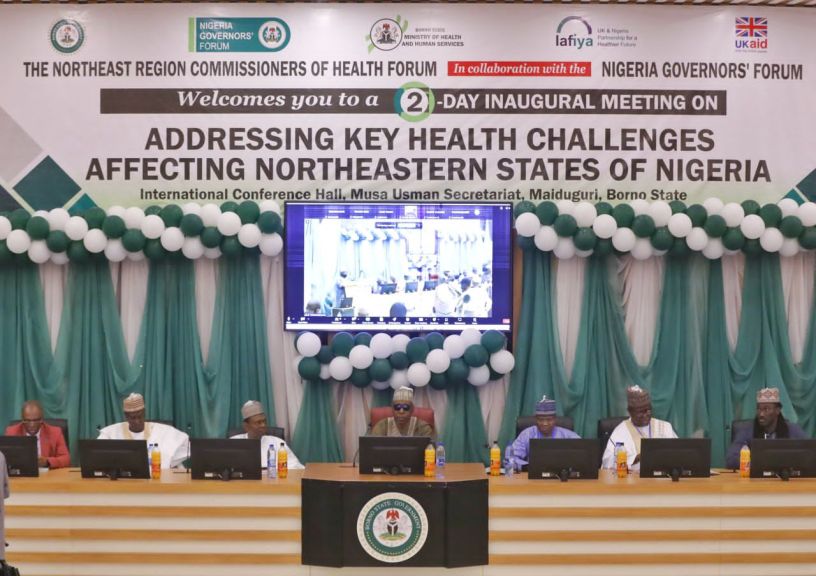
In a landmark address to the Northeast Commissioners of Health Forum in Maiduguri, Babagana Zulum, the Governor of Borno State, called for a distinctive collaborative effort to surmount the health challenges plaguing the region.
Governor Zulum, serving as the Chairman of the Northeast Governors’ Forum, underscored the urgency in improving healthcare indices, reducing high maternal and neonatal mortality rates, and addressing the scarcity of healthcare professionals.
“The Northeast, a land of resilience and resourcefulness, grapples with the stark reality of its health challenges,” stated Governor Zulum, highlighting the grave statistics that underscore the region’s struggle against healthcare inadequacies.
In his address, Governor Zulum did not shy away from holding global health agencies to account, particularly the World Health Organization (WHO), for their unfulfilled commitments. With a direct appeal, he urged the WHO to prioritize the promised enhancements in tuberculosis case detection in Borno State, provide a DNA machine for gender-based violence management, and expedite the construction of hospitals in Biu and Monguno Local Government Areas.
“These promises were not mere expressions of goodwill; they represented lifelines for our people,” the Governor expressed, emphasizing the critical nature of these commitments for the health and security of Borno State’s citizens.
Governor Zulum laid out a four-point action plan, beginning with a strategy to attract and retain healthcare professionals. He also called for concerted efforts to combat maternal mortality, protect newborns, and embrace the Sector Wide Approach to healthcare—a principle in line with the Renewed Hope Agenda of President Bola Ahmed Tinubu.
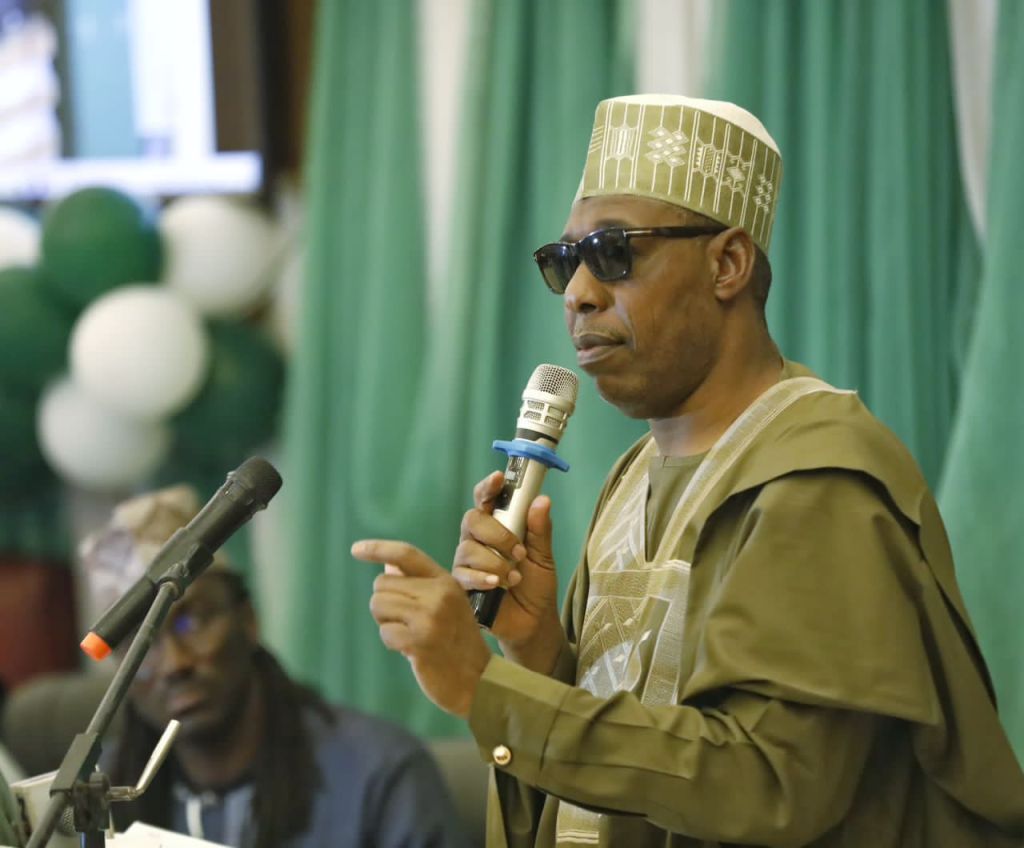
Acknowledging the dedication of healthcare workers, Governor Zulum said, “You are the heroes on the frontlines, facing adversity with grit and compassion,” pledging support for their resources, training, and recognition.
In a message to fellow governors, he stressed the significance of prioritizing health in state budgets, citing Borno State’s own health sector as having the highest budgetary allocation for the year 2024.
The Governor’s speech was not only a call to action but a reminder of the region’s ongoing efforts, including the distribution of free maternal drugs and the construction of health facilities, which showcase the state’s commitment to healthcare reform.
Gratitude was extended to partners and donors for their continued support, with Governor Zulum emphasizing the importance of their role in the region’s journey towards health improvement.
“This is not just a meeting; it’s a movement,” declared Governor Zulum, calling for a transition from lofty statements to actionable plans and shared resources.
With a vision of a healthier Northeast, the Governor’s rallying cry for unity and action set an optimistic tone for the future, even as he concluded that “together, we shall write a new chapter in the Northeast’s health story—a chapter of life, of promise, of a future where health reigns supreme. Alone, we are strong, but together, we are unstoppable.”
Commissioners of Health Speak
In individual interviews, the health commissioners of Borno, Gombe, Yobe, and Bauchi states discussed the purpose of the inaugural meeting and outlined their respective state governments’ commitments to addressing maternal and neonatal crises.
Yobe state’s Commissioner for Health and Human Services, Dr. Mohammed Lawan-Gana, who also serves as the vice chairman of the forum of health commissioners in Nigeria, highlighted the challenges in healthcare delivery, particularly related to maternal and neonatal mortality, as well as the issue of human resources for health.
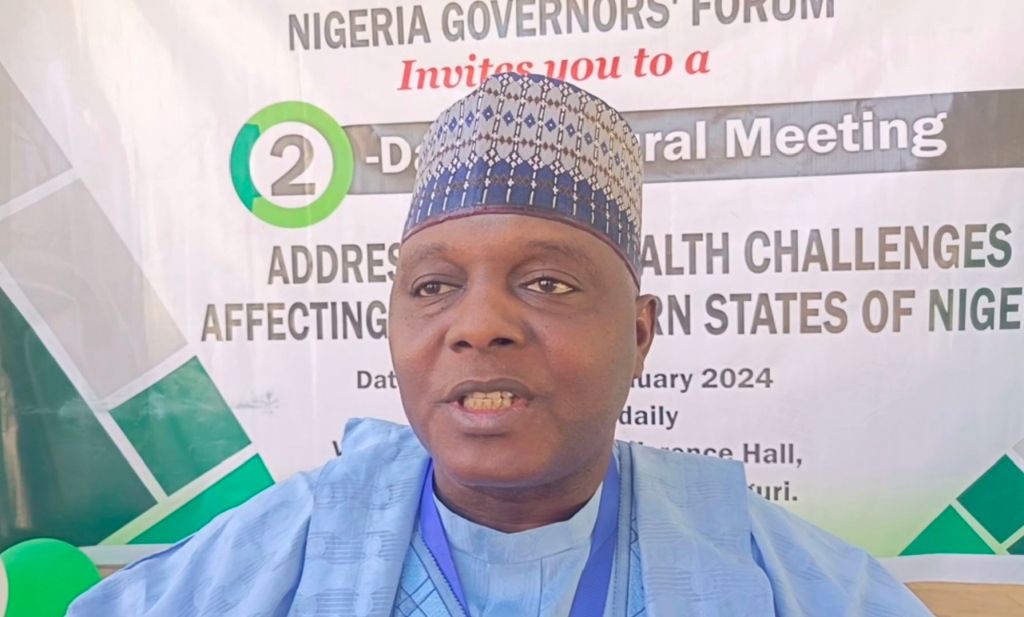
“These health issues have persisted for a long time, primarily due to the challenges the region has faced over the past decade as a result of insurgency. A substantial amount of resources has been directed towards managing this situation. Despite the best efforts of our state governors to address these challenges, the impact on the region has been substantial, particularly in the areas of maternal and neonatal mortality, as well as the insufficiency of healthcare personnel.”
He said the situation called for a meeting of the northeast arm of the Commissioners of Health Forum to convene regular quarterly regional meetings. These meetings would be dedicated to discussing, analyzing, and addressing their common issues with the goal of finding solutions.
“The northeast region faces similar health challenges, making collaboration crucial as we aim to develop practical and effective solutions,” explained the Yobe Health Commissioner.
Dr. Adamu Sambo, the Bauchi state health commissioner, stated that the meeting presented an opportunity for his state. He acknowledged that the rates of maternal mortality and neonatal deaths are concerning in the “supposedly safe” state within the sub-region.
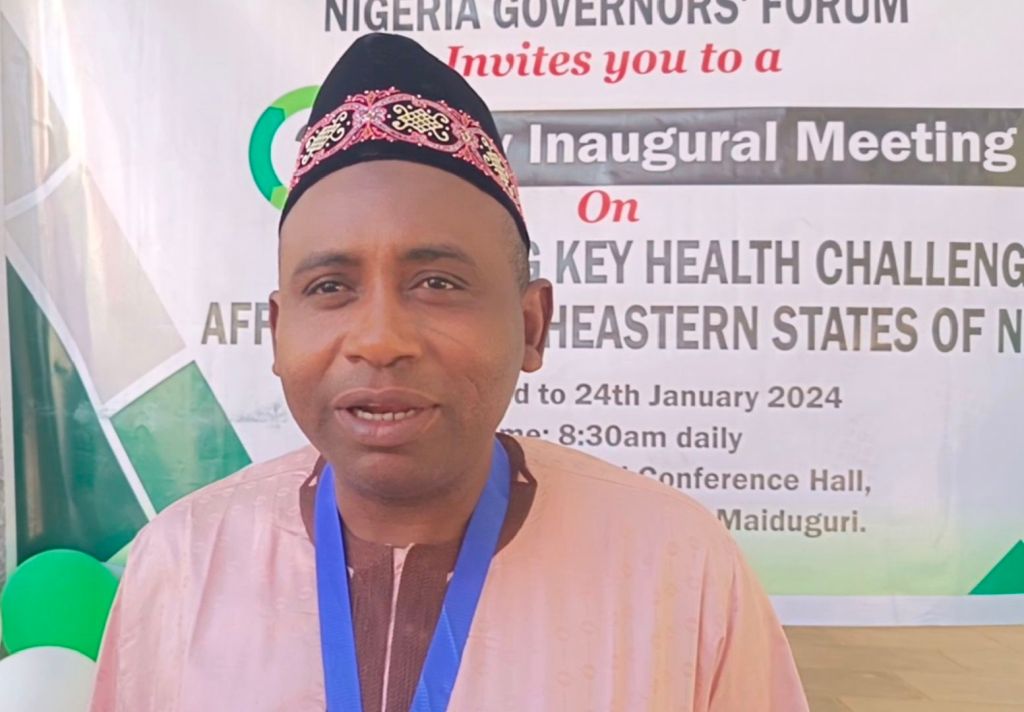
“The indices are not good enough for both maternal and neonatal mortality and that is why we are here to sit down and look at the practical solutions for solving the problems across the region. Having the commitments of our governors, I believe if we come out with workable solutions and suggestions it will go far I helping us to save lives.
Dr. Sambo emphasized that both maternal and neonatal mortality, along with the shortage of healthcare personnel, are interconnected issues that require comprehensive solutions. He commended the governments of the northeast for allocating up to 15 percent of their budgets, as globally recommended, to support the healthcare systems.
“Human resource for health is large dependent on the financial capacity of individual state or government and the requirements of the state.” He said Bauchi has about two federal health facilities as well as several other state-owned health facility that are competing for scars resources of the state government.
For the government and people of Gombe state, the meeting of the forum of commissioners of health, according to Dr Abu Dahiru, the meeting was very important because it addresses key areas of health challenges in the state.
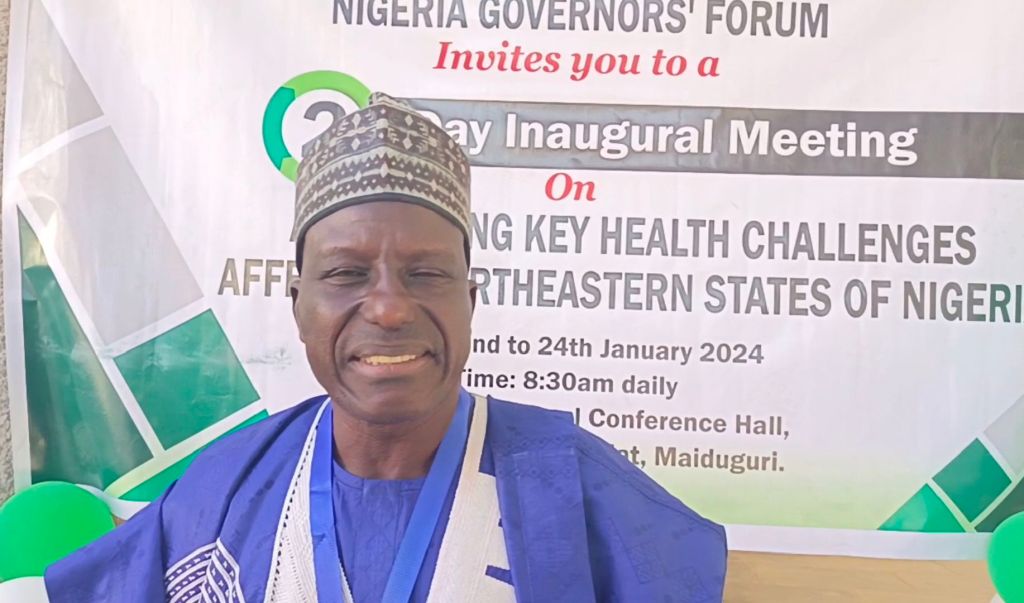
“As you can see the major areas of talks in this meeting were the issues of maternal mortality, neonatal mortality and nutrition index – issues of staunted growth in children and so on. If you look at the statistics in Nigeria, the northeast have been contributing in huge number in Nigeria and Africa in terms of maternal mortality which is not good for us. That is why we are coming together as region to produce one agenda that will be done in the whole of the northeast so that we can mitigate the problem.
The host commissioner of Health and Human Services in Borno state, Professor Baba M Gana, echoed the sentiments of his colleagues and took the opportunity to express gratitude to Governor Zulum for authorizing the meeting to be held in Borno state. As the chairman of the northeast governors forum, the governor assured the forum that the meeting’s resolutions would be communicated to other state governors for implementation. Additionally, the commissioner thanked the governor for prioritizing the healthcare needs of the people of Borno by allocating 15 percent of the budget to healthcare in 2024, with the aim of achieving universal coverage.
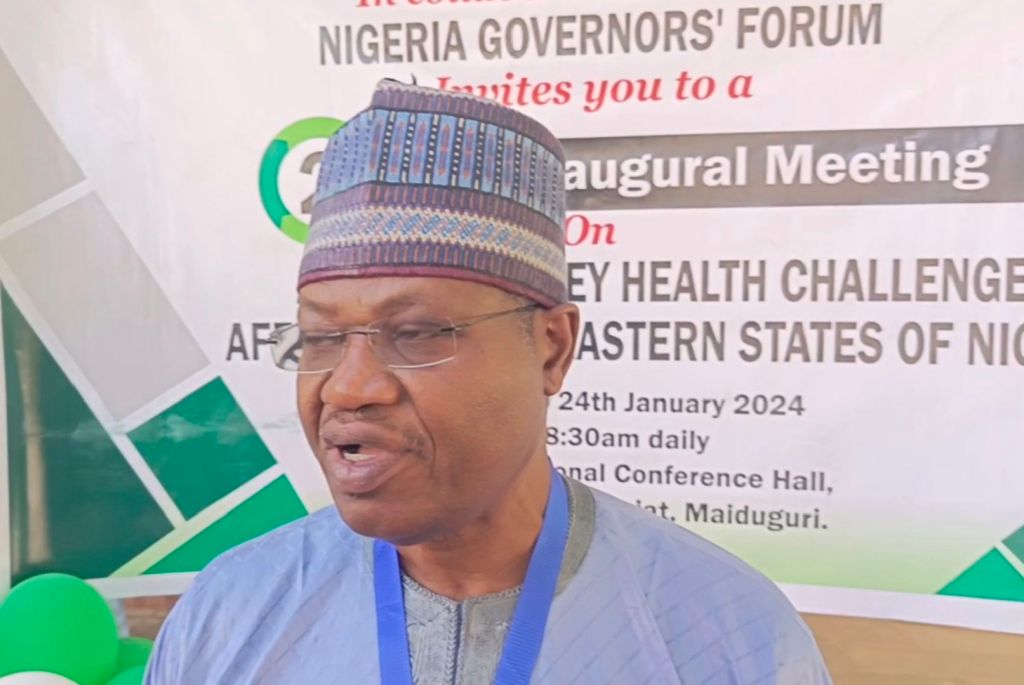
“Our governor, Professor Babagana Zulum has provided the largest share in the budget to the healthcare sector; and what was given has even exceeded the 15 per cent recommends by African leaders in Abuja in 2001. We want to assure the people of Borno state that we are committed to the full implementation of the budget to the benefit of the state.
The Borno health commissioner also thanked all health partners “who have contributed immensely to the healthcare of the people of Borno state.”
“There are many of them who’s leadership by Dr Walter Mulombo, exceptional. He has been with since the time of the insurgency and also the COVID, and other NGOs including FCGO who have brought the LAFIA project, including IRC and ICRC amongst other organizations whose contributions are phenomenal and they are leaving behind legacies that will make our healthcare more sustainable even when they finally leave.”
 The Humanitarian Times