By Abdul Kareem
The Borno State Government has pledged its “unwavering support” for victims of the Boko Haram insurgency and has expressed its commitment to collaborating with locally based humanitarian organizations in its peace rebuilding, transformation, and post-conflict development plans.
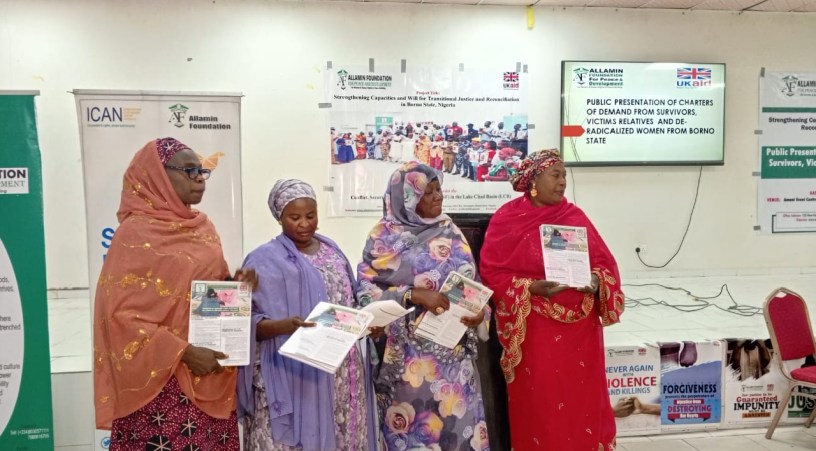
Zuwaira Gambo, the state’s Commissioner of Women Affairs and Social Development made this commitnent public during a public presentation of charters of demands from survivors, victims, and deradicalized women in the state.
The demands were compiled by the Maiduguri-based non-governmental organization, the Allamin Foundation for Peace and Development, and were presented on Wednesday, February 14.
Commissioner Gambo lauded the efforts of the Allamin Foundation in coordinating the gathering of demands, emphasizing the state government’s resolve to support vulnerable groups, including survivors, victims, and widows affected by the Boko Haram insurgency. She also highlighted the government’s ongoing efforts in post-insurgency rebuilding and development, underscoring the importance of addressing the demands raised by the affected individuals.
The commissioner listed the state’s innovative approach to post-insurgency recovery, known as the Borno Model Concept, incorporates triple ‘DDD’ (Disarmament, Demobilization, and Reintegration) and triple ‘RRR’ (Reconstruction, Rehabilitation, and Resettlement) as some of the strategies of government.
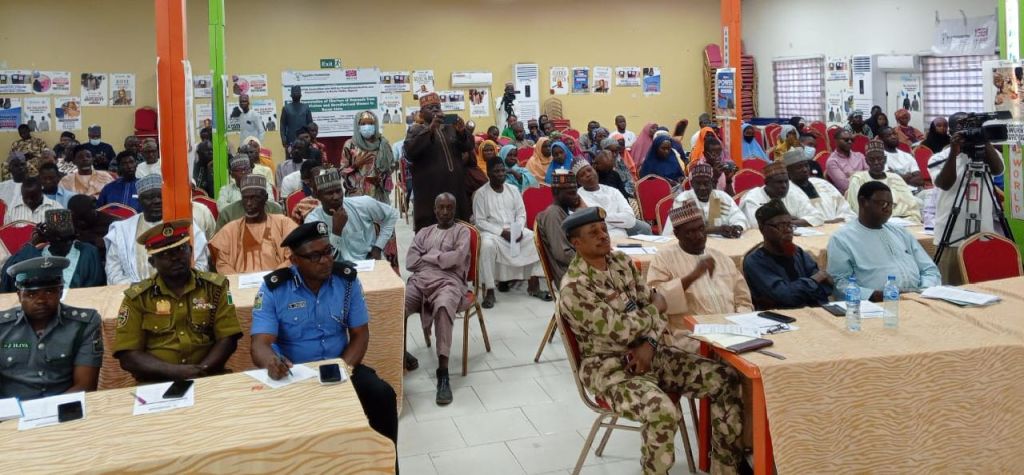
Ms Gambo emphasized the positive impact of these strategies in addressing the challenges posed by the insurgency, and she reassured the victims, survivors, and deradicalized women that the government would meticulously address their demands within the shortest possible time.
“Governor Zulum will not leave any stone unturned to ensure peace, adequate security, safety of lives and properties, maintenance of law and order, pick up of socio-economic and political activities across the state amicably,” said Gambo, who is serving a second time as Commissioner of Women Affairs even as she reflected the government’s steadfast commitment to restoring normalcy and prosperity to the region.
Furthermore, she highlighted the successful deradicalization and reintegration of over 80% of Boko Haram insurgents who have surrendered, underscoring the government’s collaboration with humanitarian partners, including locally based non-governmental organizations like the Allamin Foundation, in managing internally displaced persons (IDPs) and rehabilitating and reintegrating repentant insurgents.
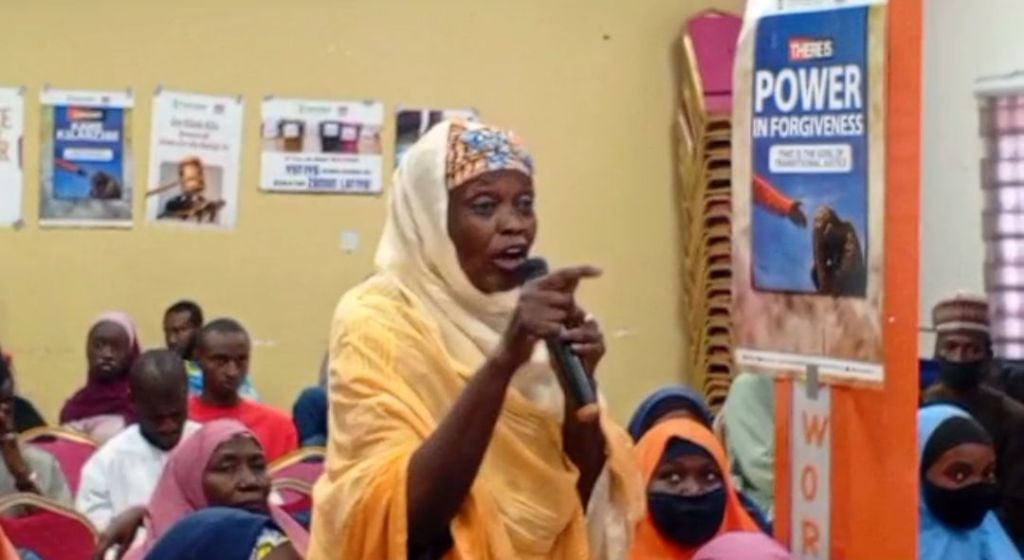
The Chairman of the Board of Trustees of the Allamin Foundation, Professor Mohammed Waziri, underscored the foundation’s commitment to supporting victims of the insurgency and urged the government and other stakeholders to continue their support, enabling the foundation to fulfill its mandate.
The Charter of Demands, which was presented by Professor Abubakar Muazu from the University of Maiduguri, encapsulates the urgent needs and rights of the victims, advocating for justice, support, and accountability.
The demands range from legal aid and counseling to skills training, employment, and reforms in the security sector, aiming to restore dignity and hope to those who have suffered immensely.
In their separate demands, the victims, who have endured significant trauma and violations of their human rights, including torture, unlawful detention, forced displacement, emphasize the importance of seeking justice for the abuses they have suffered and call for a process of reconciliation with the government.
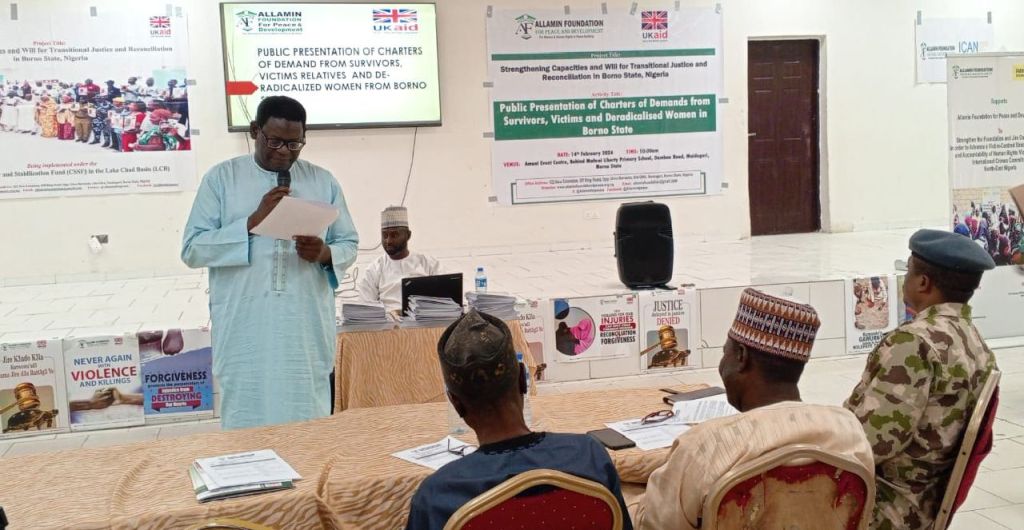
Highlighting the importance of legal proceedings and due process for individuals in custody, the victims stress the need for support for those who have been released, including psycho-social support and counseling. They also call for engagement and empowerment of youth victims through skills training and employment opportunities.
Additionally, victims are demanding reform and accountability in the security forces, emphasizing the importance of transparency and community involvement in addressing abuses committed by security personnel. They call for improved relations between security forces and the public to build trust and ensure accountability for any wrongdoing.
NGOs are expected to play a crucial role in providing legal support, community engagement, vocational skills development, food distribution, shelter, and basic necessities to the victims.
The victims urge the media to advocate for their rights, raise awareness about their needs, and support ongoing peace-building efforts and transitional justice processes.
Overall, the victims of human rights abuses in North East Nigeria are united in their demand for justice, support, and rehabilitation as they continue their journey towards healing, reconciliation, and rebuilding their lives.
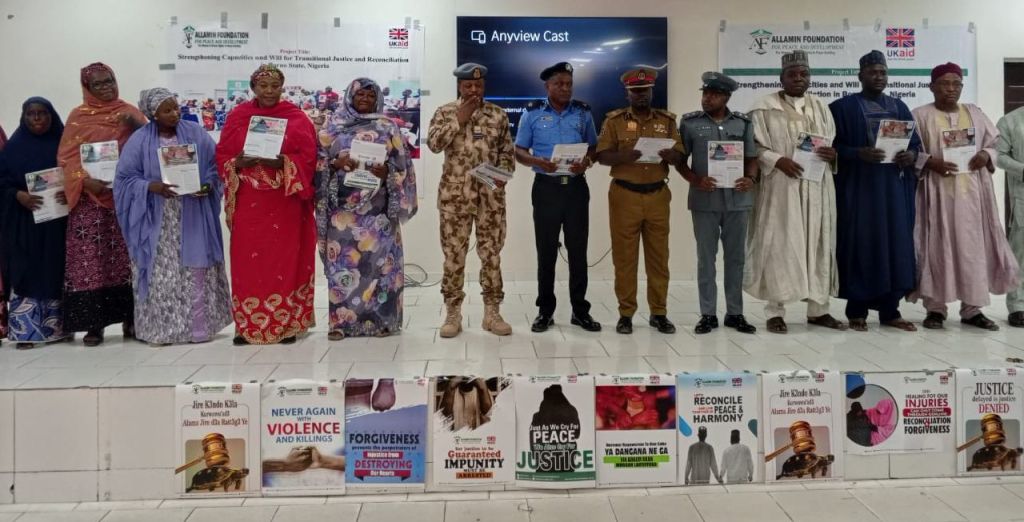
On the part of the former radicalized women in Borno State, Professor Muazu listed their demands to include demands for forgiveness, reconciliation, and comprehensive support following their disengagement from extremist groups. The women, many of whom were forcibly or brainwashed into joining armed conflicts, are now seeking a path towards rehabilitation and reintegration into society.
The Charter of Demands, crafted by these courageous women and girls, outlines their specific needs and aspirations for a holistic reintegration process. From educational opportunities to economic empowerment, from recognition and documentation to protection against discrimination, the charter encompasses a wide range of demands aimed at facilitating the successful transition of these individuals back into their communities.
One key demand highlighted in the charter is the need for government support in providing reintegration assistance, including housing, education, and employment opportunities. The women also emphasize the importance of inclusion in decision-making processes and seek recognition of their status as victims to ensure they are not marginalized or overlooked.
Community members are urged to show acceptance and cooperation towards these women, avoiding stigmatizing language and verbal abuse. The women also call for economic support and employment opportunities to help them rebuild their lives and support their families.
Family members are encouraged to offer forgiveness and acceptance, while providing financial and emotional support to aid in the reintegration process. The women also seek defense against discrimination and stigmatization from their relatives.
Traditional and religious leaders are called upon to ensure fair distribution of relief support and to promote tolerance and forgiveness within their communities. Security agencies are urged to end financial and asset extortions, as well as discriminatory practices and killings, while upholding accountability and screening measures to protect the rights and lives of these women.
NGOs and the media are also enlisted in supporting the reintegration efforts by providing aid, conducting awareness campaigns, and promoting positive messages of reconciliation and forgiveness.
The Executive Director of the Allamin Foundation, Hajiya Hamsatu Allamin, expressed her gratitude and highlighted the historical significance of the event, which marked the first of its kind in the state. She emphasized that the occasion provided a platform for victims of the insurgency to voice their demands, needs, and aspirations, underscoring the foundation’s role in advocating for the rights and well-being of those affected by the conflict.
The assurance provided by the Commissioner of Women Affairs and Social Development reflects a government that is dedicated to addressing the immediate needs of the affected individuals and fostering an environment of stability, security, and prosperity.
 The Humanitarian Times