By Abdul Kareem
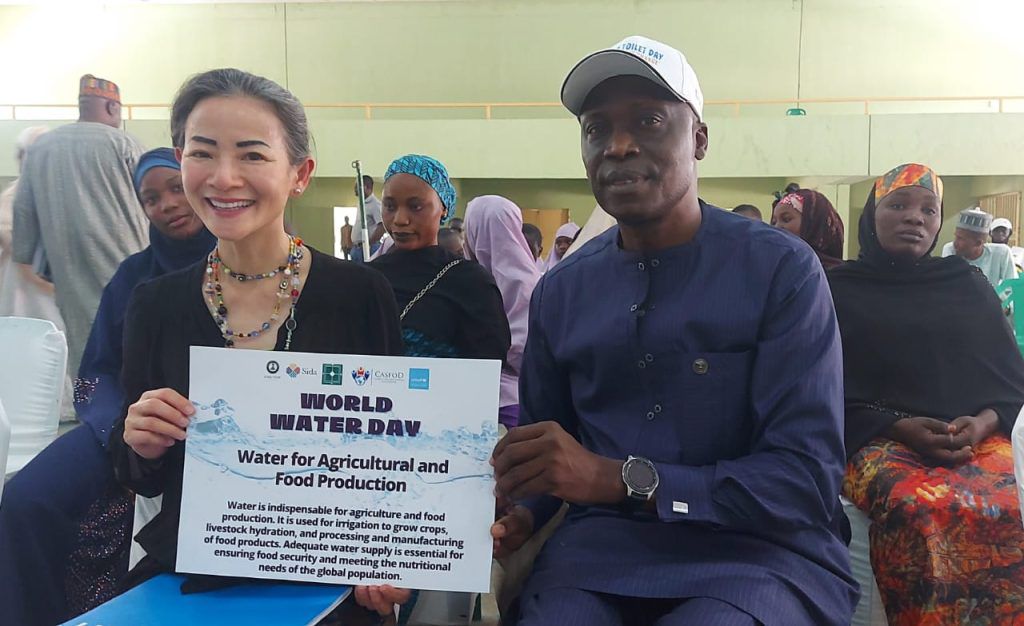
A staggering 96 percent of the population in Borno State lacks access to safely managed drinking water, a crisis highlighted by Phuong T. Nguyen, the UNICEF Chief of Maiduguri Field Office, during the World Water Day events.
The alarming data, drawn from the National Outcome Routine Mapping (NORM), was presented by Nguyen during the March 21 commemoration in Maiduguri, spotlighting a dire humanitarian need in a region already facing severe challenges.
Speaking at the event, themed ‘‘Water for Peace’ on Friday, March 21, Ms. Nguyen highlighted the crucial significance of water for human survival.
“One thing we all can agree on is that life would be impossible without water, especially safe water,” she stated.
She emphasized the pressing necessity to boost investments to expedite advancements in environmentally sustainable water and sanitation services in Borno State and throughout northeast Nigeria.
Nguyen’s address to attendees at the event conveyed both the severity of the water crisis and a resilient hope for improvement. She celebrated the advances made in the previous year, with UNICEF’s collaboration with the Borno State Government leading to nearly 900,000 individuals gaining access to safe water supply services.
The Small Town Water Scheme, one of the innovative solutions praised by Nguyen, combines solar-powered boreholes with a piping system to provide a sustainable alternative to water trucking. In addition, UNICEF’s ongoing efforts to improve sanitation include supporting the safe disposal of waste in IDP camps and launching initiatives to increase the number of open defecation-free local government areas in Northeast Nigeria.
Nguyen also addressed the necessity of protecting water and sanitation infrastructure from acts of vandalism and theft, which significantly undermine the impact of water investments. She called for government action to boost private sector engagement in the water and sanitation sector and to prevent the destruction of WASH (Water, Sanitation, and Hygiene) infrastructure.
According to her, “by prioritizing water security and cooperation, we can sow the seeds of peace that will blossom into a prosperous tomorrow. Water scarcity breeds competition and conflict, driving people apart and deepening divisions. ”
“By working together to manage and conserve water resources, we can build bridges of understanding and forge bonds of friendship that transcend differences, ” she said. ““But while we have made considerable progress, access to safe water is still a mirage for millions of children, households and communities in northeast Nigeria.”
The importance of water for hygiene, health, and human development was echoed by various stakeholders present at the World Water Day celebration. The event concluded with Nguyen’s powerful call to action, urging the community to build a future where every individual has access to clean water, communities flourish, and peace is sustained.
Nguyen articulated a vision where access to safe water is central to securing lasting peace and prosperity, capturing the essence of the day’s theme.
Looking ahead, UNICEF’s strategy for improving water access in Borno includes expanding the Small-Town Approach, promoting safely managed sanitation practices, and reinforcing support for local agencies tasked with safeguarding WASH infrastructure.
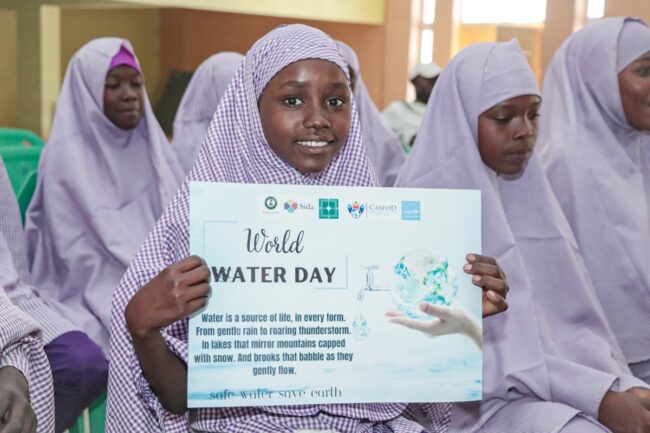
In a display of creativity and commitment to the cause, students from three secondary schools showcased their talents through quizzes, debates, and poetry competitions themed around peace, further underscoring the importance of water in fostering peaceful coexistence.
Amidst these discussions and celebrations, it is observed that there are potential financial challenges facing water projects in Borno State. The 2024 budget allocated N9.7 billion to the Borno state Ministry of Water Resources out of a total state budget of N358.7 billion. This allocation comes under scrutiny in light of only a quarter of the approved water budget funds being released the previous year, casting doubt on the efficient use of resources and calling for improved oversight and accountability to ensure that funds meet the critical water needs of the state’s population.
As World Water Day concluded, the message was clear: the provision of safe water is more than a basic necessity – it’s a foundational step toward building a stable and peaceful society.
 The Humanitarian Times