By Abdul Kareem
The National Drug Law Enforcement Agency (NDLEA) asserts that individuals suffering from drug addiction should not face stigmatization or negative profiling. Instead, they should be treated with love and affection.
The NDLEA advocates that compassion, empathy, and care for drug addicts can significantly expedite their recovery process compared to when they are rejected and labeled as dissidents.
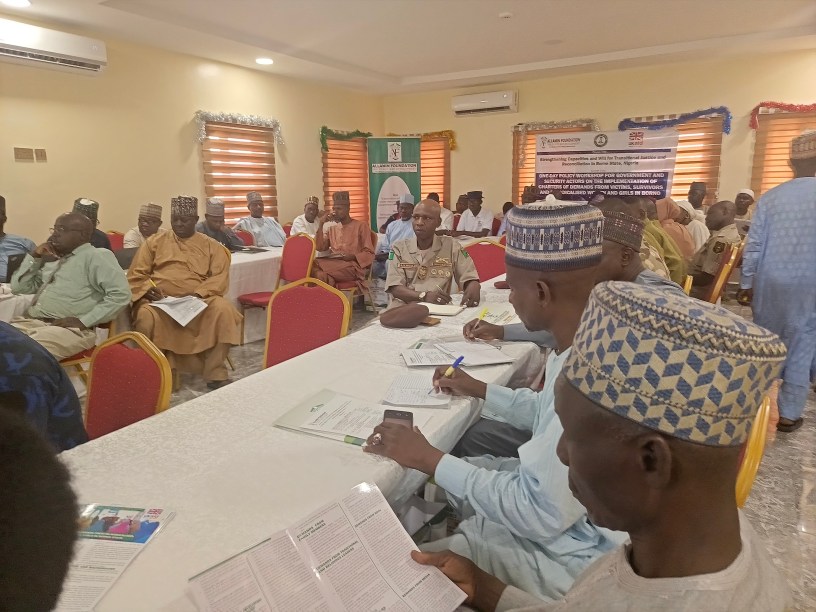
These remarks were presented at a Policy Workshop for The Implementation of Charters of Demands from Survivors, Victims’ Relations, and Deradicalized Women in Borno State, organized by the Maiduguri-based non-governmental organization, Allamin Foundation for Peace and Development (ALFOPED).
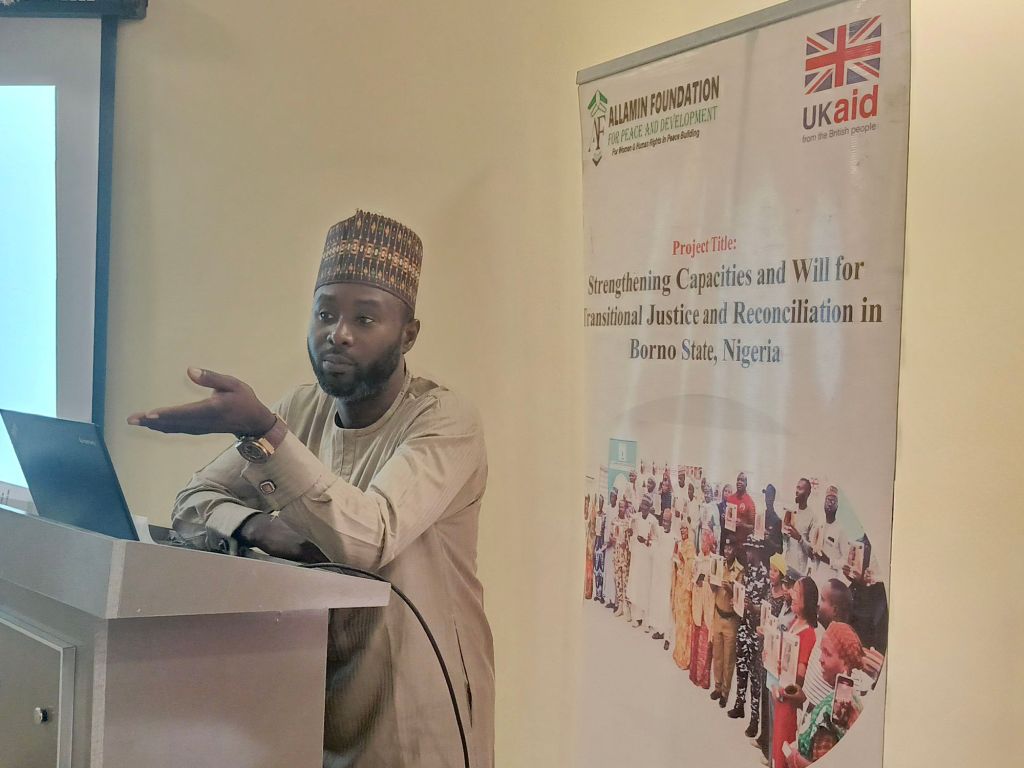
The NDLEA Deputy Commander of Narcotics, Kabaju Hassan, highlighted the connection between drug abuse and the proliferation of armed violence, including Boko Haram and banditry, in the country during his talk on promoting peace and reconciliation.
Hassan stated that drug addicts should not be held responsible for their predicament. He contends that while the initial decision to use drugs is their fault, the persistent cycle of addiction is not solely their responsibility. He explained that once addicted, individuals are controlled by the drugs, rather than making conscious choices.
He underscored the importance of societal support for those battling addiction, as this encouragement can help them conquer their struggles and escape their plight. Conversely, he said, if these individuals are ostracized and criminalized by society, they are more likely to continue their substance abuse and may develop animosity towards the society that shuns them. He said most Boko Haram members are driven by the use of illicit drugs and harmful substances.
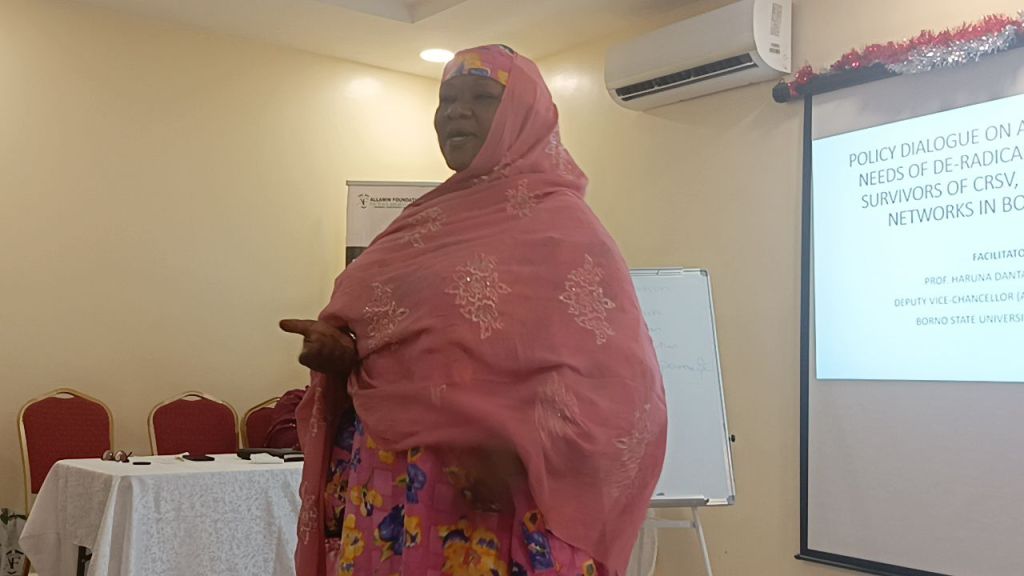
Participants at the workshop offered extensive suggestions on how the government and NGOs could work together to address the needs of the victims and perpetrators of the insurgency in a way that fosters reconciliation and smooth reintegration.
Hamsatu Allamin, the Executive Director of Allamin Foundation, emphasized that while the Boko Haram conflict has broadly impacted society, certain individuals have been more profoundly affected. Their perspectives and needs are reflected in the Charter of Demands compiled by the Allamin Foundation.
Professor Dlakwa from the University of Maiduguri, serving as the lead facilitator of the workshop, pointed out that despite government policy initiatives to protect women and children, numerous shortcomings remain.
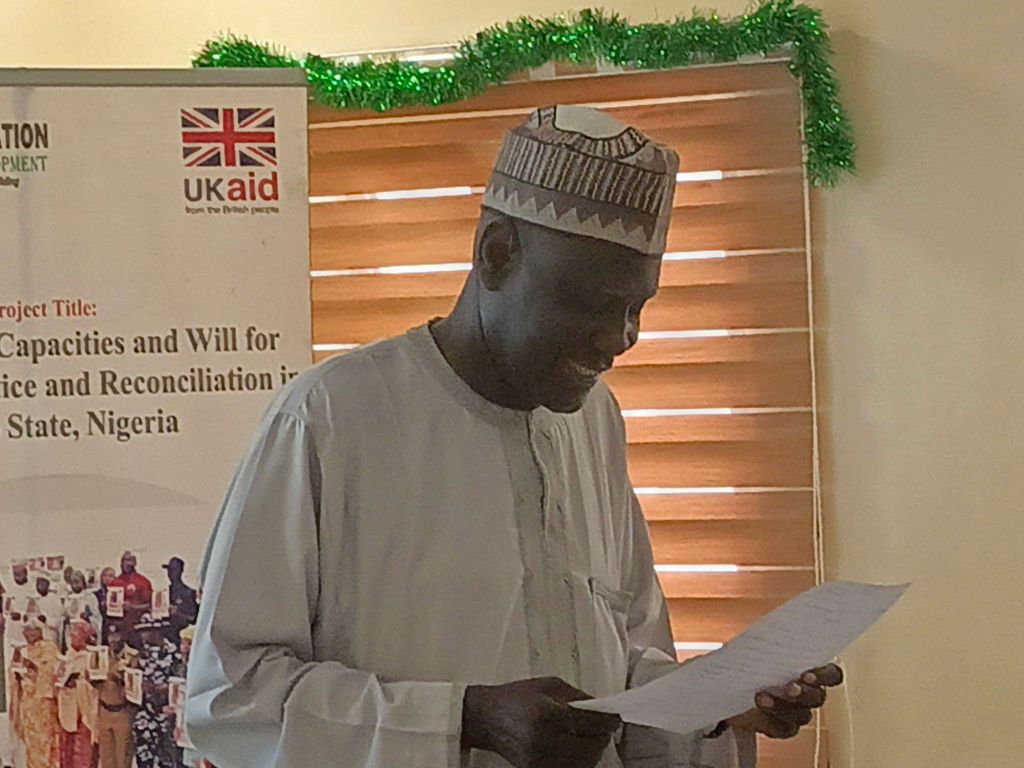
He identified these gaps as including the narrow scope and limited duration of some initiatives that fail to provide a sustainable foundation. Other issues cited by Professor Dlakwa include political interference in justice and the distribution of relief, the stigmatization and exclusion of deradicalized women and children, and a general lack of trust from communities, traditional and religious leaders, and family members towards these women. Additionally, the government’s inability to end the insurgency has led to pervasive uncertainty.
He also highlighted the detrimental impact of high youth unemployment and a weakened economy on the effectiveness of skills and entrepreneurial training for women and girls.
Moreover, he noted a significant deficiency in the government’s efforts: the absence of a robust transitional justice framework that could inspire full confidence in Borno State’s post-conflict restoration.
The charter of demands encompasses the perspectives of deradicalized women and girls, victims of human rights abuses, and survivors of conflict-related sexual violence.
 The Humanitarian Times