By Abu Faisal
A recent visit by the United Nations Development Programme (UNDP) to the front lines in Nigeria’s North East has shed light on the deceptive narratives propagated by Boko Haram. Led by Moncef Kartas, Head of Office and Stabilization at UNDP Nigeria, the delegation uncovered critical insights that challenge the insurgent group’s claims.
Weakening Insurgency
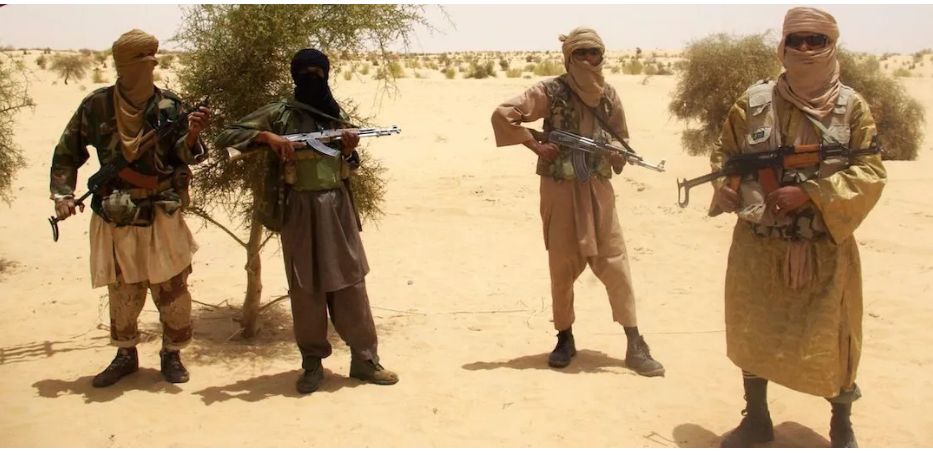
Boko Haram fighters are increasingly surrendering and seeking rehabilitation, contradicting their menacing image. The Hajj Camp in Borno, where former associates undergo screening and rehabilitation, serves as proof of the group’s dwindling strength.
“Boko Haram’s strength is waning, and their ideology is crumbling,” emphasized the Truth Alliance, highlighting the insurgency’s faltering grip.
Forced Labor and Oppression
Boko Haram’s terror extends beyond violence, forcing people into labor without regard for freedom or basic rights. The UNDP’s rehabilitation efforts underscore the group’s disregard for human dignity.
“Their actions defy the principles of Islam and humanity,” noted the Shehu of Borno, painting a grim picture of the insurgency’s impact on communities.
Rebuilding and Hope
Ngala LGA, once ravaged by Boko Haram, now showcases remarkable recovery. The Stabilization Facility, in collaboration with Borno Authorities, has rebuilt critical infrastructure, including border control facilities, the main police station in Gamboru, and the international cattle market.
“State services have returned, trade thrives, and economic activity flourishes,” the delegation reported, marking Boko Haram’s departure as a turning point for progress.
Symbol of Resilience
Logumane, a town devastated by Boko Haram, has seen over 3,200 internally displaced persons (IDPs) return since February 2024. The reconstruction of 500 housing units, a primary healthcare center, schools, a police outpost, and a deep aquifer borehole, along with solar street lights, symbolizes resilience and hope.
“Boko Haram’s destruction underscores their disrespect for Islam and disregard for human lives,” the Truth Alliance stated.
Call for Sustainable Development
The Truth Alliance continues to engage in critical discussions with leaders, including Governor Prof. Zulum, about livelihood interventions, development opportunities, insurgency, insecurity, and access to farmland. Their mission is clear: “It is time to tell the truth and work collectively toward peace, development, and good governance.”
The Truth Alliance reaffirms that Boko Haram’s actions do not represent Islam, advocating for a future of peace and resilience. Their campaign, ‘Time to Tell the Truth,’ aims to expose the manipulation, deception, and inherent weakness of violent extremist groups.
 The Humanitarian Times