By Abdul Kareem
In a strategic move aimed at revolutionising its agricultural landscape, the Yobe State government is making significant strides in industrializing its food production sector, particularly focusing on sesame, a crop for which the state is renowned.
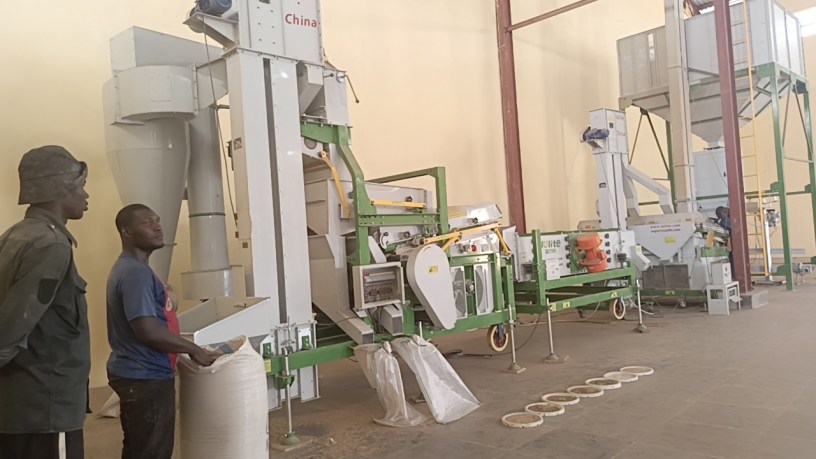
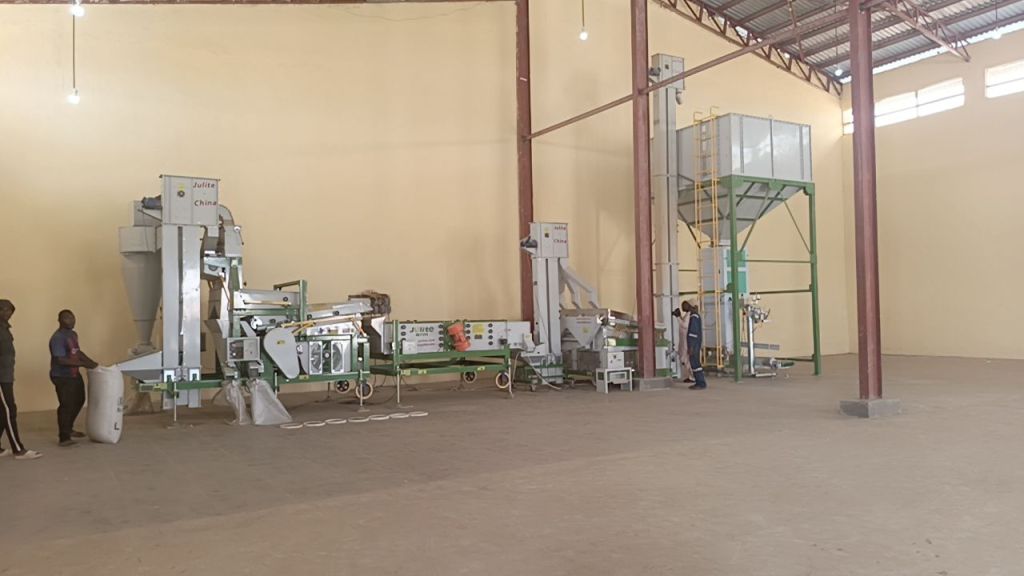
With the completion of a state-of-the-art sesame processing factory in Machina and three more nearing completion in other viable locations of the state, Yobe is positioning itself as a pivotal player in Nigeria’s agribusiness.
Those familiar with the happenings in Yobe have explained that it is part of Governor Mai Mala Buni’s comprehensive vision to free the state from the grip of poverty and set it on the path to prosperity.
Recently, this reporter took a trip to parts of Yobe to see some of the silent revolutions of the Mai Mala Buni administration, and one of the ports of call was the Sesame Cleaning, Processing and Packaging Factory at far away border town of Machina.
The four proposed sesame factories are located in Machina, Nguru, Damaturu and Potiskum local government areas of Yobe state – which are renowned for their mass production of sesame and other cereals.
According to Hon. Kaigama Umar Yunusari, the Yobe State Commissioner of Commerce, Industry, and Tourism, Machina town is one of the towns where the sesame cleaning, processing, and packaging factories are located.
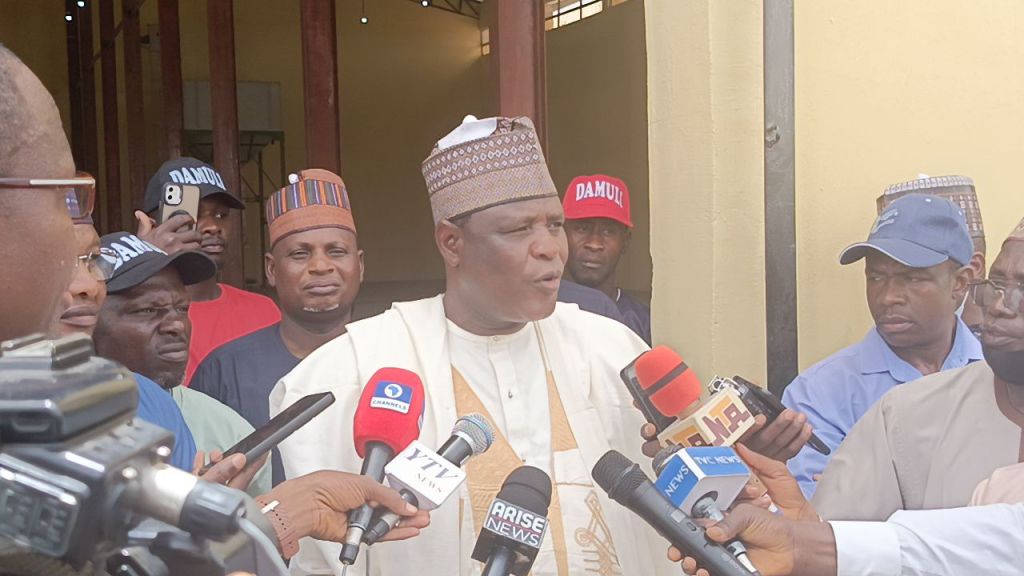
“The factory is conceived in line with the policy and programmes of Governor Buni which involves industrializing the state,” he said.
“These sesame factories are located in four different locations: Machina, Nguru, Potiskum, and Damaturu. The one in Machina is one hundred per cent completed and ready for commissioning, while the other three are in the advanced stage of construction.”
The investment in these factories, amounting to N350 million, underscores Yobe’s commitment to leveraging its agrarian capabilities. The sesame factories are expected to process and package sesame at an impressive rate of six tonnes per hour. This initiative not only aims to serve the local populace but also to generate substantial revenue for the state.
Earlier this year, Governor Mai Mala Buni highlighted the state’s efforts to attract both direct and indirect investments in sesame seed production and processing, along with other agricultural products such as Gum Arabic and livestock.
“For us to achieve this feat after the protracted security challenge spurs our government to do more,” Buni said, reflecting on Yobe’s ranking as the 9th state with ease of doing business in Nigeria. “This shows that Yobe State is moving fast and becoming a very business-friendly state.”
Governor Buni further emphasized the state’s commitment to improving security, infrastructure, and business incentives to foster a more conducive environment for trade and commerce.
“We have completed and commissioned the international cargo airport to facilitate local and international trade and movements within and outside the country,” he noted. “Our administration has constructed modern markets with fireproof facilities to facilitate and support the business community.”
The international community has not been overlooked in these efforts. Governor Buni has been actively engaging with global partners to explore the potential in sesame seeds, Gum Arabic, and livestock production. “Government will improve all areas of collaboration for effective and efficient engagements to promote business activities in the state,” he assured.
The impact of these developments is palpable among local farmers. Rabiu Adamu, a sesame farmer in Machina, expressed renewed optimism with the establishment of the sesame factory.
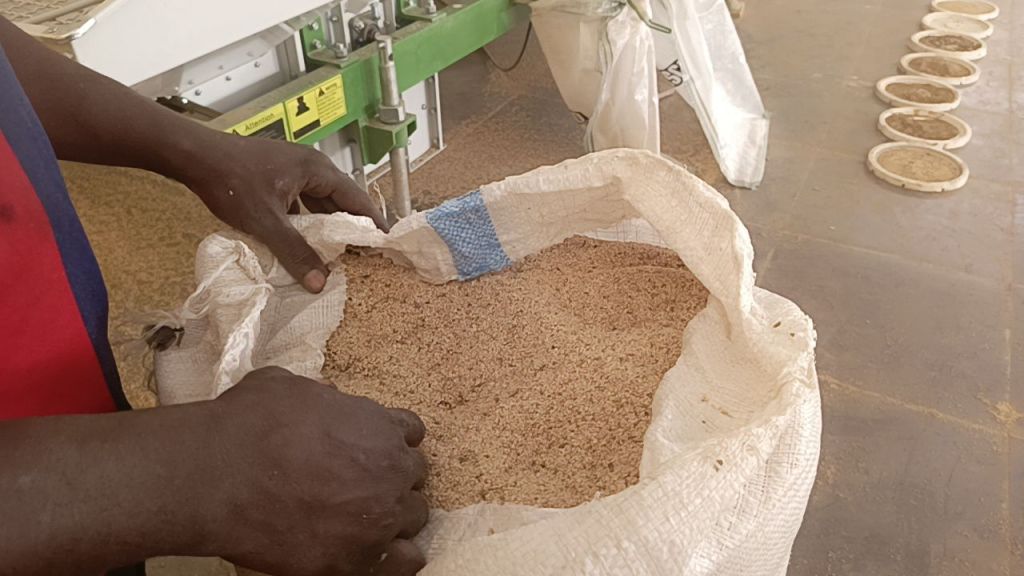
“With the establishment of a sesame processing factory, our interest in sesame farming has doubled, and many of us are returning to it more than ever before,” Adamu said. “Farmers are now happier than ever because they are confident in making profits. Previously, buyers would exploit us by offering low prices for our products, citing the poor quality of the seeds. However, the situation has changed for us now, and we most sincerely thank Governor Mai Mala Buni for thinking about the plight of the poor farmers in the state.”
Adamu’s experience underscores the transformative effect of the new sesame factories. “I used to cultivate and harvest between 30 and 40 bags of sesame seeds annually. After processing, I now yield as many as 15 to 20 bags. Previously, buyers would purchase our products at around N30,000 per bag. However, with our processing factory, we can now determine the price ourselves,” he explained, highlighting the newfound economic empowerment among local farmers.
“The Yobe State government’s initiatives are not just about improving agricultural output,” said Abdullahi Bego, a veteran journalist, now Commissioner of Home Affairs, Information and Culture. “The Mai Mala Buni initiative is also about creating a sustainable economic ecosystem that benefits local farmers and attracts investment.” As the factories come online, Yobe is set to become a critical hub in Nigeria’s agricultural sector, quietly driving growth and prosperity for its people – in the Governor Buni style.
 The Humanitarian Times