By Abdul Kareem
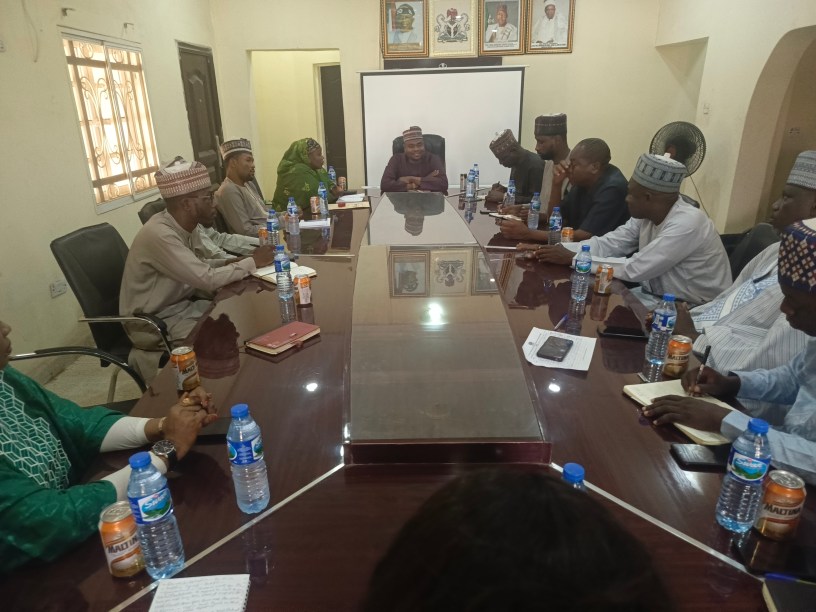
The Network of Civil Society in Borno State (NECSOB) and the Borno State Agency for Coordination of Sustainable Development and Humanitarian Response (BOACSDHR) have joined forces to drive the state’s ambitious 25-year development plan and a 10-year strategic action plan.
During a courtesy visit on Tuesday, NECSOB officials met with Dr. Babakura Mamman Gadai, Executive Secretary of BOACSDHR, to discuss key areas of cooperation and capacity enhancement for local NGOs. This collaboration aims to ensure quality and accountable services in post-conflict Borno State.
“We are the custodians of the government’s development plan, and one of our major transformation pillars is education,” said Dr. Gadai. “We are putting enough funding into education because we need quality education for our people for development.”
Dr. Gadai emphasized the importance of local content in all dealings, urging civil society to propose legislation that respects local culture and enhances operational models. He also highlighted the need to improve the capacity of local NGOs to attract grants and support persons with disabilities in their programs.
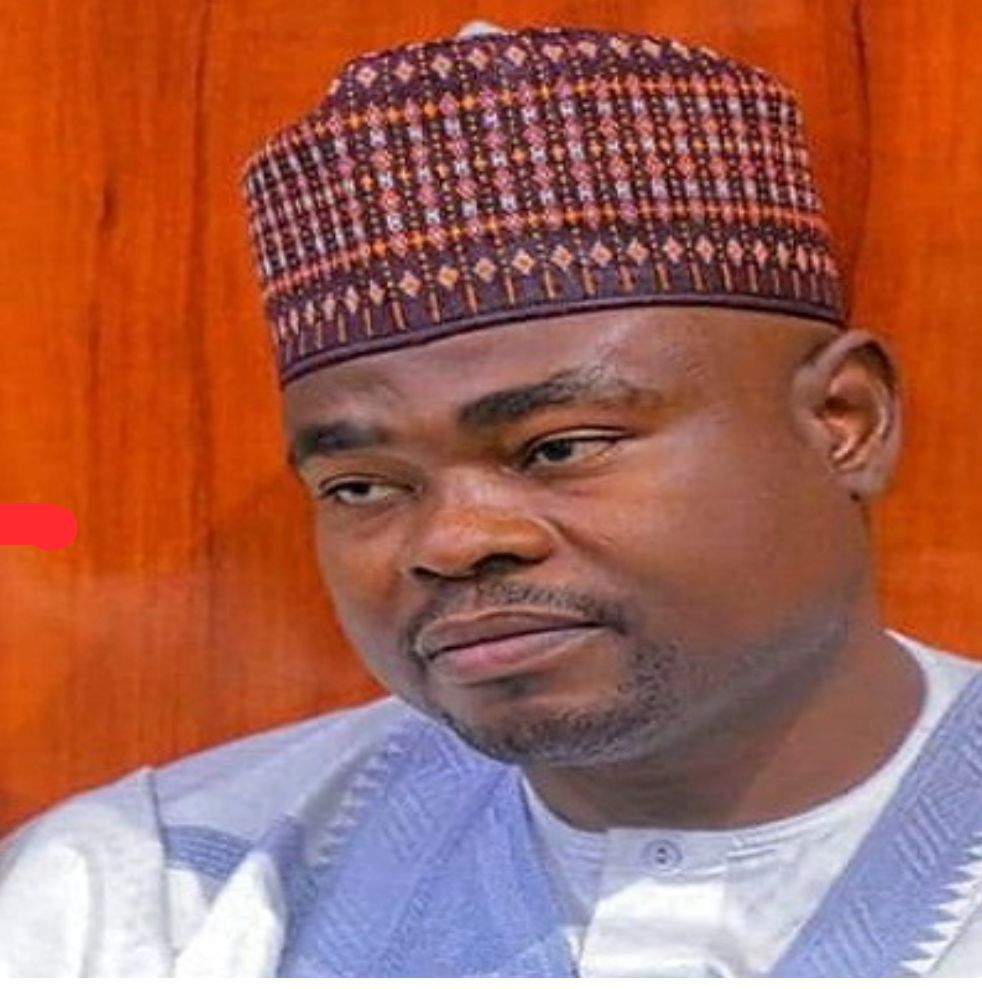
“There is a need to upscale the data management component of the CSOs,” he added, stressing the importance of robust monitoring and evaluation mechanisms.
Comrade Bulama Abiso, Executive Director of NECSOB, expressed optimism about the partnership. “We are here to congratulate Dr. Gadai and to see how the Network of Civil Society and the agency can partner in implementing the 25-year development plan and 10-year strategic transformation plan,” he told The Humanitarian Times.
Abiso also highlighted the need for capacity building and sensitization of local CSOs to align with government initiatives. “We appreciate the policies developed by the agency, such as the 25-year development plan and durable solutions. We want these laws to be adjusted to collaborate with the network so we can sensitize the community,” he said.
He further stressed the importance of including people with disabilities in all projects and considering environmental degradation in developmental efforts.
“Our trust for this regime is the localization aspect,” Abiso added. “We are pursuing many organizations that are building the capacity of locals to attract and access grants. We are also focusing on institutional capacity and ensuring compliance with local content in projects.”
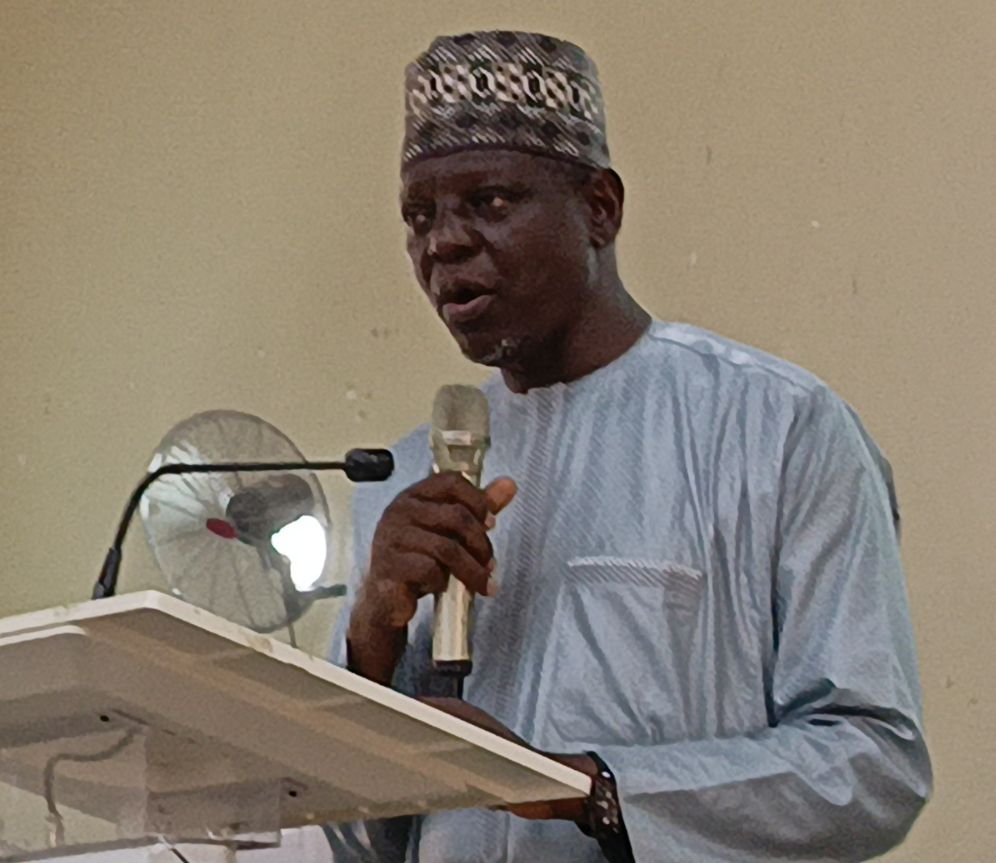
Other voices at the meeting was that of Dr Zainab Chellube, NECSOB’s Director Education who emphasise on the importance of skill as a form of education for the youth stressing that the paradigm for pedagogic learning has shifted to robotics, artificial intelligence so fast that acquiring a paper degree without is more of a waste. She said the development plan for education should emphasize on skills acquisition which is the cornerstone of modern-day education for youth. “It equips them with practical, real-world abilities that go beyond traditional academic knowledge, empowering them to thrive in an ever-evolving job market and contribute meaningfully to society.”
Mrs Aisha Maidala, who is director nutrition also hammered on the importance of nutrition for the child’s growth and future human capacity development for the state.
NECSOB’s Deputy Executive Director Development, Comrade Yusuf Ibn Tom said partnership between the two organizations marks a significant step towards sustainable development in Borno State, promising a brighter future for its people.
 The Humanitarian Times