By Abdul Kareem
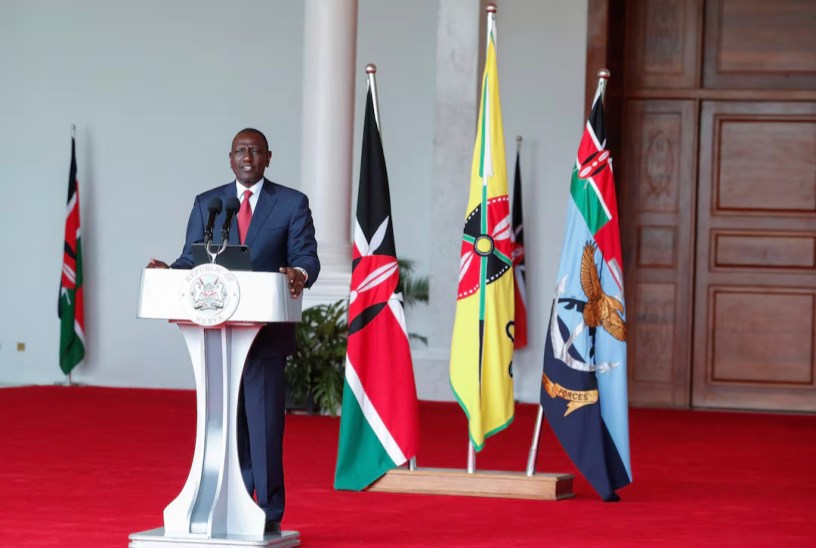
In a bold move aimed at addressing weeks of public unrest and economic challenges, Kenyan President William Ruto has taken decisive action by dismissing nearly all of his Cabinet ministers and the attorney general. This move comes in the wake of widespread protests over high taxes and poor governance, triggered by the passing of a controversial finance bill proposing tax increases.
President Ruto’s plan is to revamp the government structure by creating a new, lean, and efficient administration where ministries will be overseen by permanent secretaries. This strategic shift is intended to accelerate efforts to tackle debt, boost domestic resources, generate employment, reduce inefficiencies, and combat corruption within the government.
Critics have long accused President Ruto of appointing political allies rather than qualified technocrats to key positions, a practice that has fueled discontent among the populace. By implementing austerity measures and dissolving state corporations to cut costs, Ruto aims to streamline government operations and save money in the process.
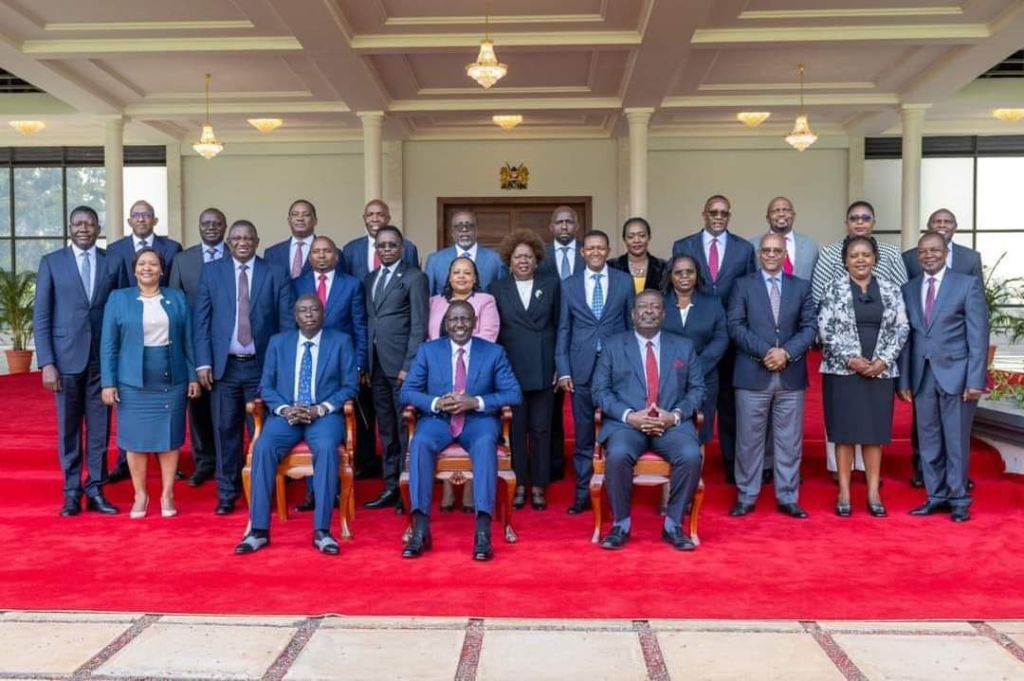
Analysts view the sweeping cabinet dismissals as a necessary step to address the deep-seated discontent in the country and respond to the demands of the protesting citizens. Notably, this marks the first instance of a sitting president dismissing ministers under the new constitution of Kenya.
President Ruto’s actions signal a significant shift in governance and a commitment to addressing the pressing issues facing the nation. As Kenya navigates through this period of change, all eyes will be on the formation of the new government and its effectiveness in delivering on the promises of reform and progress.
 The Humanitarian Times