By Abdul Kareem
GUSAU, Nigeria – Zamfara State, known for its fertile lands, abundant pastures, water bodies, and rich mineral deposits, is a land of opportunity for agriculture and mining. Despite its natural wealth, the state struggles with extreme poverty, affecting over 60% of its population, according to the 2018 World Bank data.
Agriculture and gold mining dominate the economy, engaging more than 80% of the population. Major crops include millet, guinea corn, maize, rice, groundnut, cotton, tobacco, and beans, while the mineral wealth spans iron ore, gold, chromate, granite, clay, limestone, chamovita, quartz, and kaolin.
However, the promising potential of these resources has been overshadowed by severe challenges. Rapid population growth, driven by the search for better livelihoods, has strained resources. Climate change further exacerbates land scarcity, leading to conflicts between farmers and herders and contributing to widespread poverty.
In recent years, Zamfara has faced escalating banditry, kidnapping, and other crimes, disrupting the social fabric and economy. Thousands have been displaced, and large-scale destruction has resulted in a humanitarian crisis.
When Dauda Lawal took office as Zamfara’s governor on May 29, 2023, he inherited a state in financial ruin, plagued by decayed institutions and widespread poverty. Undeterred, Lawal embarked on an ambitious journey to rebuild and secure the state, launching the Six Smarts Agenda to drive key sector improvements.
Agriculture is at the heart of Lawal’s economic diversification strategy. Recognizing the sector’s potential to reduce poverty, create wealth, and boost state revenue, his administration has implemented proactive security measures in collaboration with security agencies to protect lives and property, enabling farmers to return to their lands.

A significant move was the establishment of the Zamfara Community Protection Guards (CPG), a pioneering security corps in the North-West region. These guards, trained to assist security agencies with credible intelligence, have been instrumental in thwarting bandit attacks and restoring a sense of safety among farmers and residents.
Additionally, the Lawal administration has provided vital support to security agencies, including logistics, equipment, and vehicle maintenance, and conducted regular State Security Committee meetings. Collaborative efforts with security agencies have led to the neutralization of key bandit leaders, enhancing security and encouraging agricultural activities.
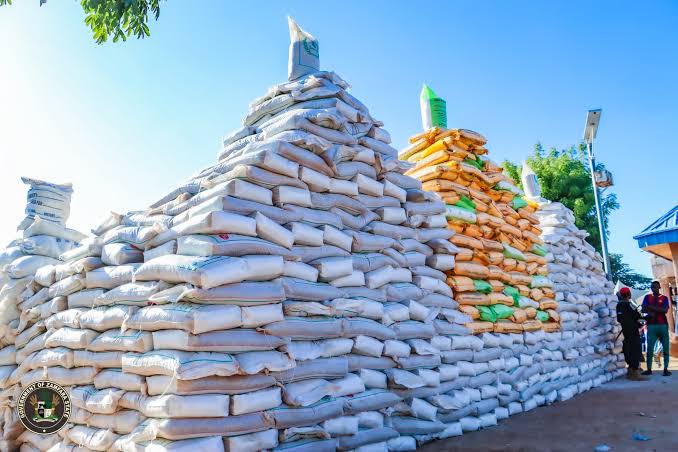
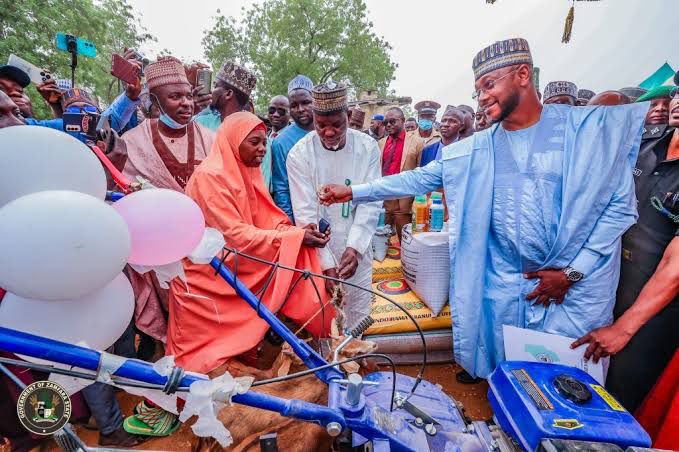
Governor Lawal also initiated extensive support services for farmers. Plans to empower 100,000 farmers under the Fadama III program and the distribution of fertilizers, seeds, and inputs to over 40,000 farmers are underway. More than 700 power tillers and farming implements have been distributed across the 14 Local Government Areas to boost food security and stabilize food supply chains.
Speaking at a fertilizer distribution event in Bungudu, Lawal said, “We are bringing tremendous opportunities for the farming communities. This program will significantly boost our farmers’ productivity, alleviating rural poverty and its associated challenges.”
Lawal’s administration aims to launch similar intervention projects, including an integrated entrepreneurship program for agro-allied ventures such as fisheries, poultry, and livestock fattening. Plans for the rehabilitation of earth dams, slated in the 2024 budget, promise employment for over 40,000 farmers and food security for more than two million people annually.
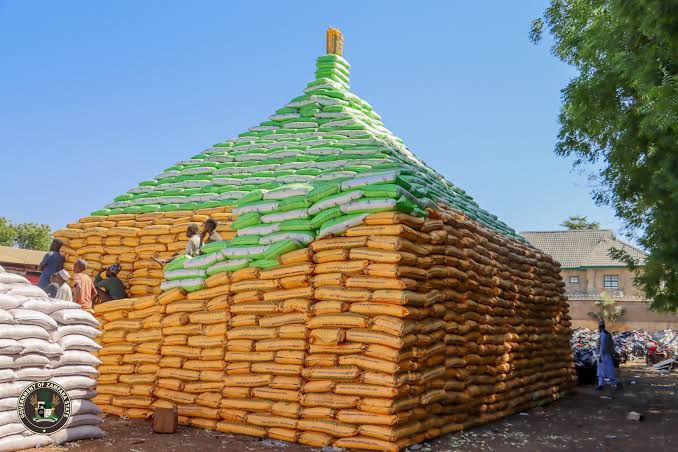
These initiatives have already shown positive impacts. Salisu Ahmadu, a maize farmer in Bungudu, praised the improved security and support services, which have encouraged farmers to cultivate their lands. However, challenges remain. Sada Yakub highlighted ongoing security issues, calling for more troops to protect farmlands.
Experts believe that the Lawal administration’s agricultural interventions will address poverty, enhance food security, and drive economic diversification in Zamfara. Economist Muhammad Awwal emphasized the need for training on Good Agricultural Practices (GAP) and mechanization to further boost productivity and add value to agricultural produce.
As Zamfara moves forward, the combined efforts in security and agricultural development aim to transform the state into a secure, prosperous, and sustainable community.
 The Humanitarian Times