By Abdul Kareem
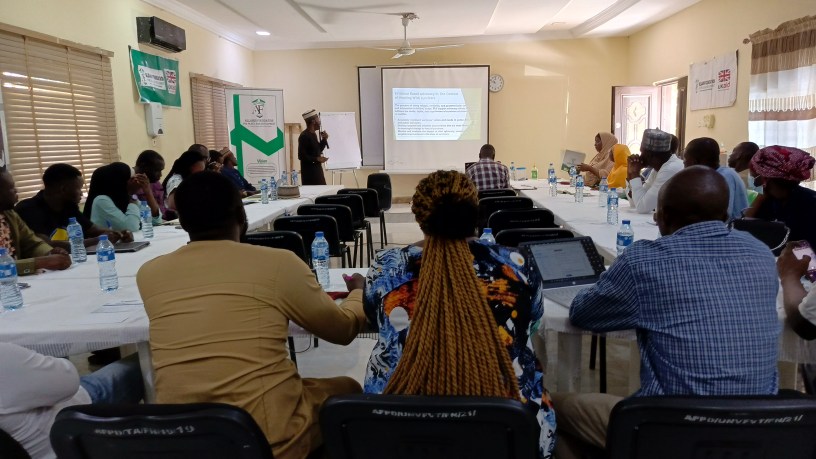
Representatives from various civil society organizations gathered Tuesday, September 24, for a one-day training on promoting transitional justice and reconciliation in Borno State.
The training was organized by the Allamin Foundation for Peace and Development, a Maiduguri-based NGO currently leading the advocacy for transitional justice and reconciliation in post-Boko Haram era Borno state.
Supported by the Foreign Commonwealth and Development Office (FCDO), the training focused on developing an advocacy work plan for the North East Transitional Justice Network (NETJUN).
Hamsatu Allamin, Executive Director of the Allamin Foundation, opened the training by emphasizing Though the training is more or less a refresher to the participants, it also underscores the urgent need for effective advocacy strategies in the region.
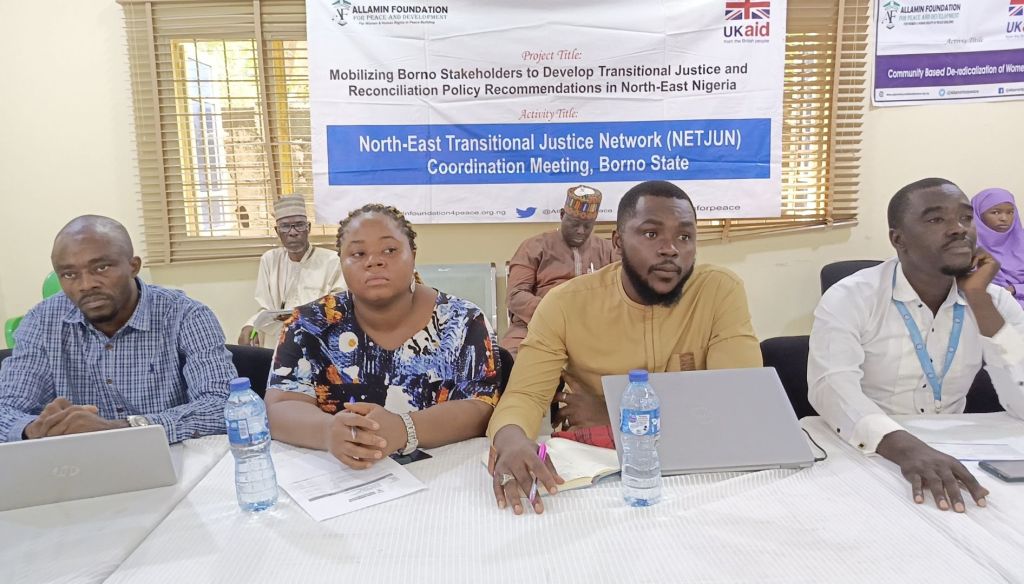
“Transitional justice is not just a concept; it is a necessity for healing our communities,” Allamin who was represented by the programs manager, Mustapha Shettima stated.
“Today, we are here to reequip ourselves in form or refresher with the tools and strategies needed to amplify the voices of survivors and ensure their priorities are at the forefront of our advocacy efforts,” he said. “Basically, we are here today to develop a survivor-centered advocacy document on advocating for the protection as well as the promotion of policies on issues that relate to survivors in the conflict.”
The training, facilitated by Dr. Balami, featured a series of interactive sessions designed to foster collaboration among participants. Key activities included identifying survivors’ priorities, developing SMART (Specific, Measurable, Achievable, Relevant, Time-bound) advocacy objectives, and mapping relevant stakeholders.
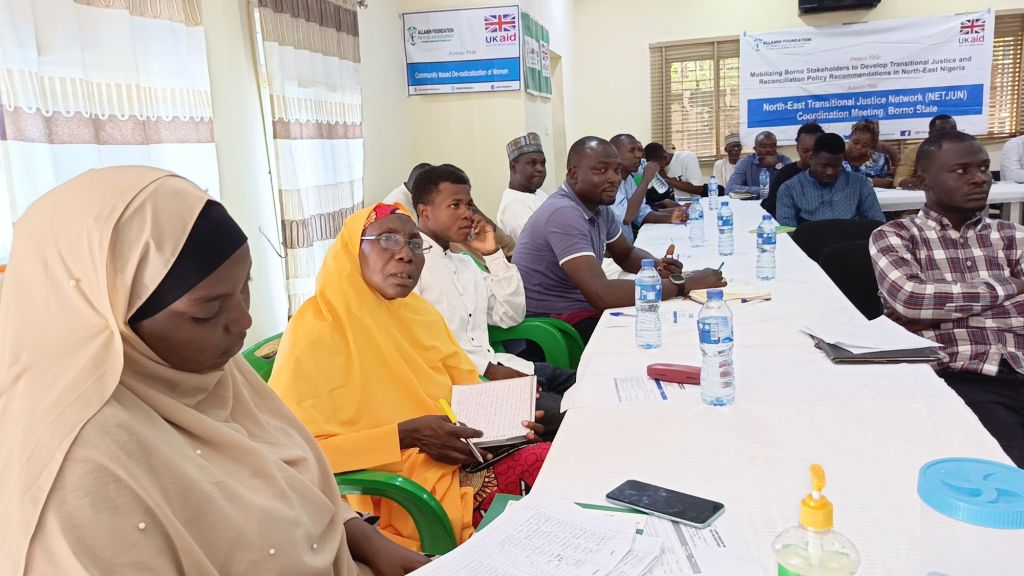
Participants engaged in group work, brainstorming creative advocacy tactics tailored to their objectives.
“This training has opened my eyes to the power of collective action,” said Elizabeth John, a participant from a local NGO. “So far I have learnt that by coming together, we can create impactful strategies that truly reflect the needs of the survivors we represent, by setting priorities and objectives in tackling survivors of conflicts, and ensuring that we deploy the SMART framework which is Specific, measurable, achievable, relevant and timebound. Above all, I’m leaving here better informed on how to set priorities and right objectives for survivors of conflict.
Peter Tissue a program manager at DCR, a local NGO, also echoed similar sentiment even as he was thrilled with the interactive engagements that opened his eyes to better ways of tackling GBV survivors in conflict situation
The day’s discussions culminated in a plenary session where participants shared their insights and finalized their advocacy plans.
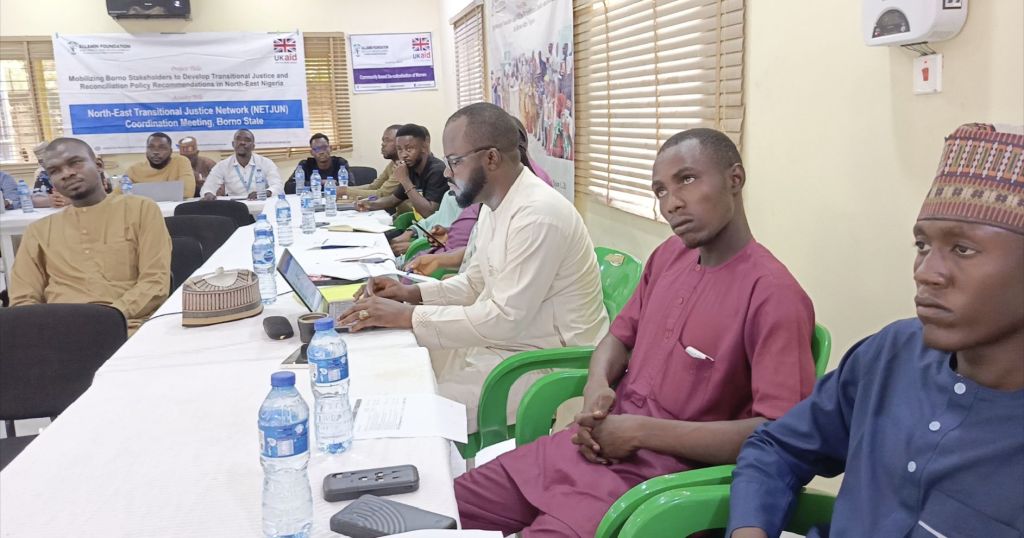
Dr. Balami highlighted the importance of survivor-centered advocacy, stating, “We must always keep the voices of those most affected at the heart of our work. Only then can we ensure that our advocacy leads to meaningful change.”
He said the training was basically aimed and developing capacity of NETJUN members towards developing a workplan for advocacy towards survivor-centered policies for transitional justice in Borno state.
“We are working with theNETJUN members to identify priorities and then to identify key objectives towards survivor-centered advocacy.” He said after that, key stakeholders would be identified to work towards achieving the set objectives.
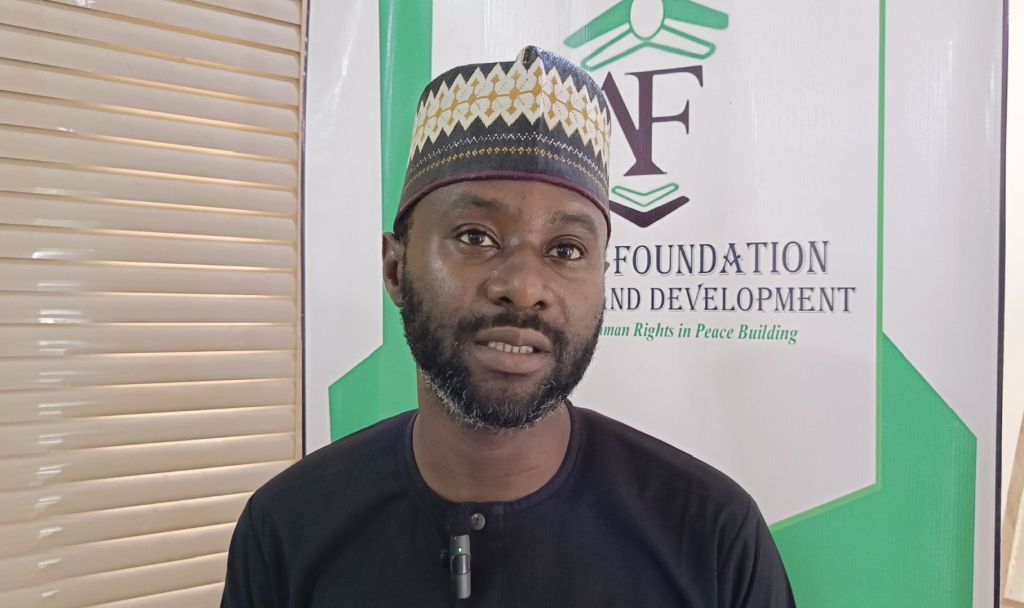
“After that we would use the work plan as a working tool to advocate for survivor-centered policies here in Borno state on transitional justice.”
As the training concluded, participants left with renewed determination and a clear roadmap for their advocacy efforts, marking a pivotal moment in the ongoing journey towards justice and reconciliation in Borno State.
 The Humanitarian Times