By Abdul Kareem
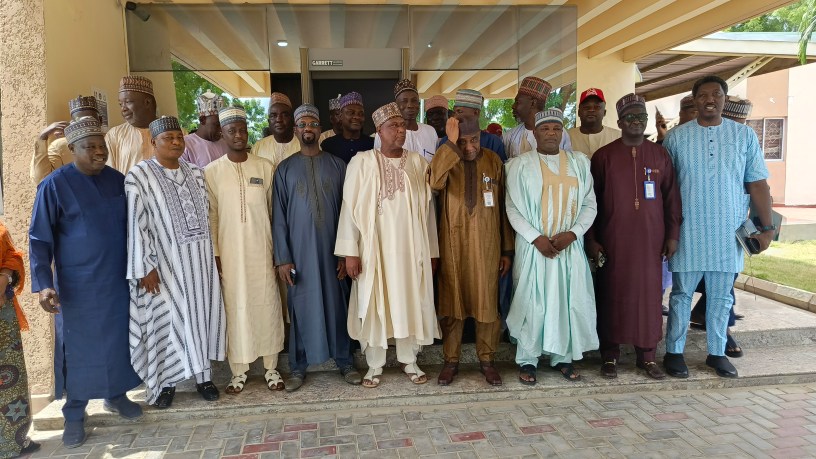
The Northeast Development Commission (NEDC) has today convened a roundtable discussion on the roll out of e-vehicles at its headquarters, led by Managing Director Dr. Mohammed Goni Alkali.
The session brought together key stakeholders, including officials from the National Union of Road Transport Workers (NURTW) and the National Association of Road Transport Owners (NARTO), to discuss the deployment of 10,000 electric vehicles across six states in Northeast Nigeria.
The initiative aims to combat the effects of climate change while improving the cost of living by reducing transportation expenses for local residents.
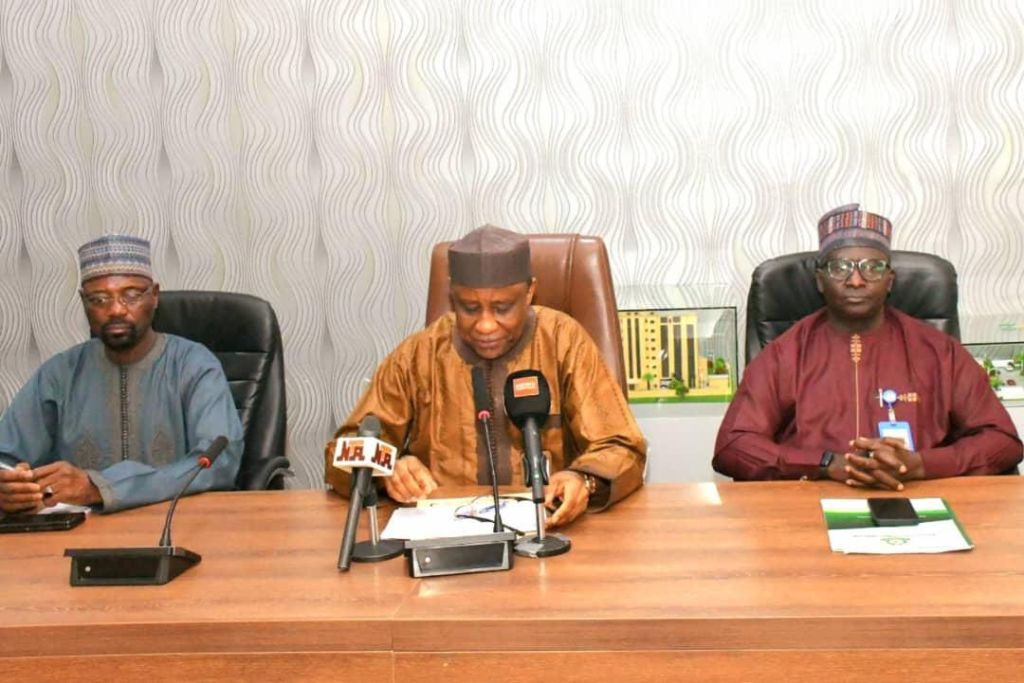
“Ours is providing intervention. You handle the management of the vehicles, looking at your governance structure,” Dr. Alkali stated, emphasizing the collaborative effort required for successful implementation.
The NEDC has conducted extensive analyses on various transportation models and ultimately determined that e-mobility presents a viable and affordable alternative, despite challenges such as the availability of charging resources. Last week, the NEDC presented samples of these electric vehicles to the President, who granted approval for the initiative.
The electric vehicles will include a range of options: a robust tricycle designed to accommodate nine passengers, a smaller tricycle for four, and a bus that can carry up to 40 individuals. This diversity in vehicle types aims to enhance intra-state commuting and meet the varying needs of the community.
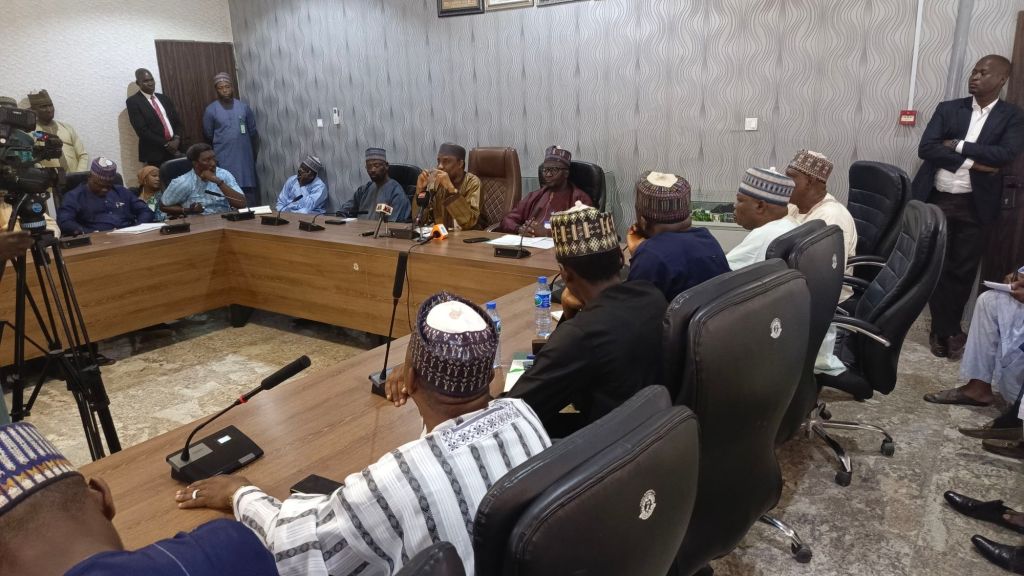
During the roundtable, union officials actively contributed suggestions on the best options for rolling out the program. They raised important points about the feasibility of e-mobility versus compressed natural gas (CNG) alternatives, as well as crucial topics such as the location of charging points, ownership structures, maintenance, and the need for skills training for engineers. “We have an ambitious intention of deploying 10,000 e-vehicles, with tricycles getting a chunk of the deployment,” Dr. Alkali noted.
To further the initiative, a small committee will be formed to oversee the project, with training sessions planned for all stakeholders involved. This collaborative approach aims to ensure that the transition to electric vehicles is seamless and beneficial for the entire region.
As Nigeria continues to grapple with the effects of climate change and rising transportation costs, the NEDC’s initiative stands as a bold move towards a more sustainable and economically viable future for the Northeast.
 The Humanitarian Times