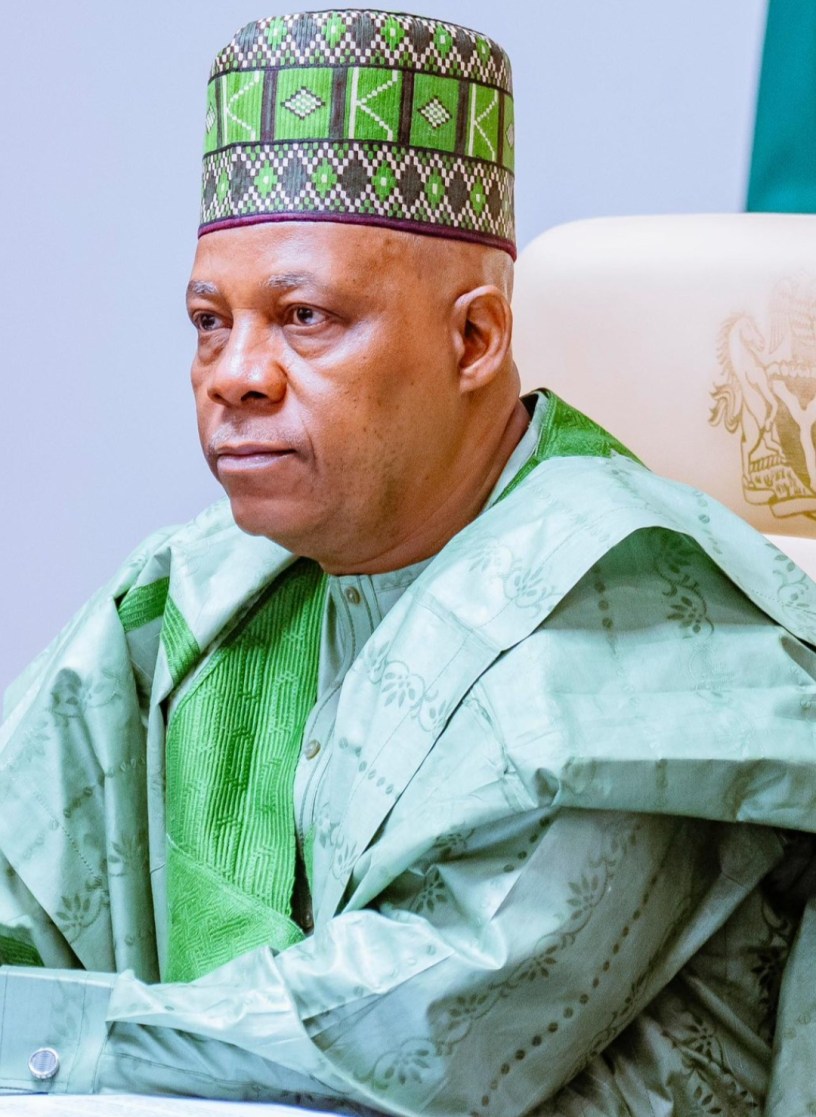
“… a society’s prosperity and respect are closely linked to how it treats its women… ” VP Shettima
By Abdulkareem Haruna
It is well established that when you educate a girl-child you have set her on the path to positively changing the world. Of course, when you commit to girls’ education it means investing in a brighter future, giving them the key to unlock potentials and drive societal progress.
I believe this spirit has shaped the demeanor of Vice President Senator Kashim Shettima, who has consistently been a strong advocate for girl-child education and women’s empowerment. His passion for these causes over the past decades of his public life reflects his belief in education as a powerful tool for change.
Those who have worked closely with Vice President Kashim Shettima, whether as a governor or senator, can attest that when he is passionate about a cause, he speaks openly and confidently about it. He truly becomes an advocate for that cause. This was evident during an event with senior officials from the United Nations, last year, where he emphasized the Federal Government’s commitment to girl-child education and gender empowerment without hesitation.
Yes, during a meeting with a United Nations delegation led by Deputy Secretary-General Amina Mohammed at the Presidential Villa, Shettima reaffirmed President Bola Tinubu’s dedication to these initiatives. He highlighted that the administration will actively pursue the United Nations Sustainable Develiopment Goals 4 and 5, reinforcing the belief that a society’s prosperity and respect are closely linked to how it treats its women.
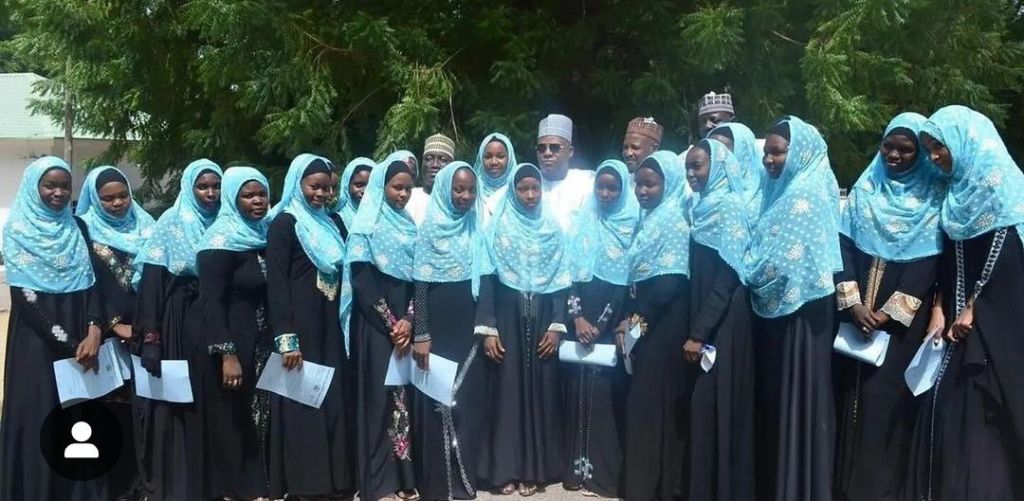
It’s important to share an incident from about ten years ago that truly highlights the impact of VP Shettima’s leadership. At that time, he was a governor of Borno state who made a decision that significantly changed the life of a young IDP girl. Despite her challenging background, Aisha Ibrahim, then just seven years old, exhibited remarkable brilliance and confidence when Shettima, on a visit to Bakassi IDP camp in Maiduguri, asked a group of children about the challenges they faced in their makeshift camp schools. Aisha stood out and boldly spoke about their needs. In that moment, the governor recognized her and a few other exceptional children, whom he awarded scholarships from their primary through secondary upto the tertiary level. In fact the VP went further to declare Aisha as one of his numerous goddaughter. Aisha is currently done with her WAEC and NECO exams coming out with flying colors.
As Governor of Borno State, Shettima was known as a trailblazer in promoting girl child education. He took bold steps by sponsoring 60 young girls to study medicine abroad, setting a powerful example in a region where girls often face barriers to education.
At a recent conference on girl child education, VP Shettima made it clear that education is essential for the nation’s future. He called for a team effort to break down gender-based barriers in education. He urged government bodies, civil society, traditional and religious leaders, and international partners to work together to ensure every Nigerian child gets a quality education, no matter their gender or location.
Speaking through the deputy chief of staff, Senator Ibrahim Hadejia, Shettima emphasized that education is the most powerful gift the society can offer young girls and women.
“Policymaking involves all of us,” he said, highlighting the need to engage local communities in creating safe spaces for girls’ education.
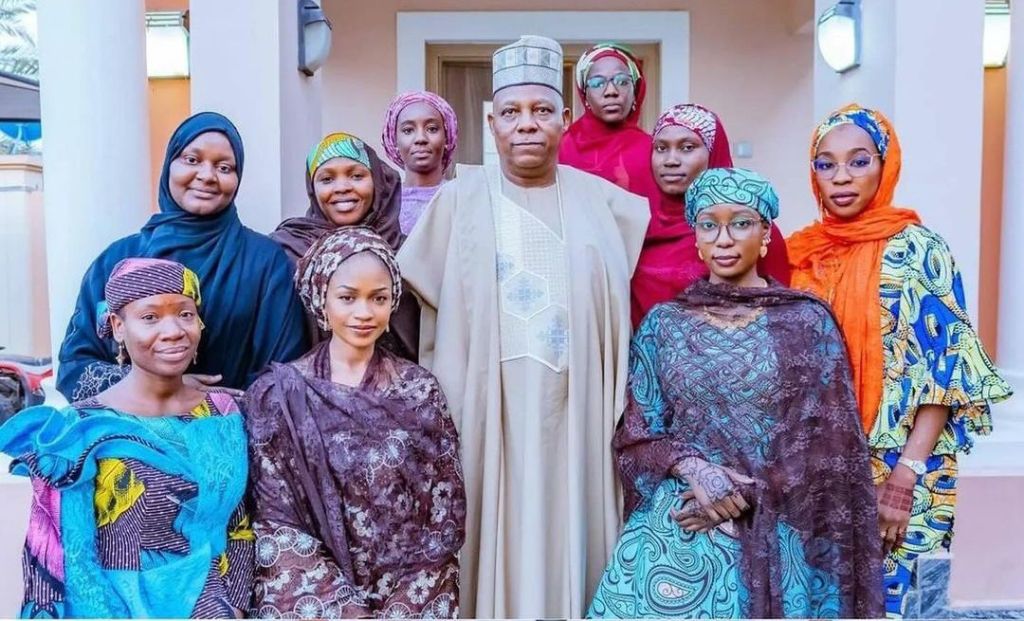
VP Shettima’s approach is about more than just policy; it’s about changing mindsets. It was so gratifying when he asked partners like the World Bank and African Development Bank to help make a lasting difference, noting that the education and dignity of the girl child reflect a nation’s progress.
Statistics show the urgency of Shettima’s mission. He said many children in Nigeria, especially girls, are out of school; warning that ignoring these children could lead to bigger problems for society in the future. His proactive stance calls for creative solutions to this urgent issue.
As mentioned earlier, VP Shettima made great strides in educational reform for girls while he served as governor. Sending girls abroad to study medicine was not just policy; it was his personal mission to empower future female leaders. This initiative equipped young women with valuable skills and inspired others to pursue their dreams.
Shettima points out that educating girls is more than a moral duty; it’s crucial for economic and social stability. Educated girls see better future earnings, lower infant mortality rates, and reduced poverty in their communities.
The Gender Parity Index shows progress, with girls catching up to boys in primary education and surpassing them in secondary education. However, these gains need continuous efforts, especially in areas where barriers are strongest.
As head of the National Economic Council, Shettima has made education a priority. With his guidance, the Human Capital Development Programme aims to close gaps in education by increasing school years and improving quality, ensuring no girl is left behind.
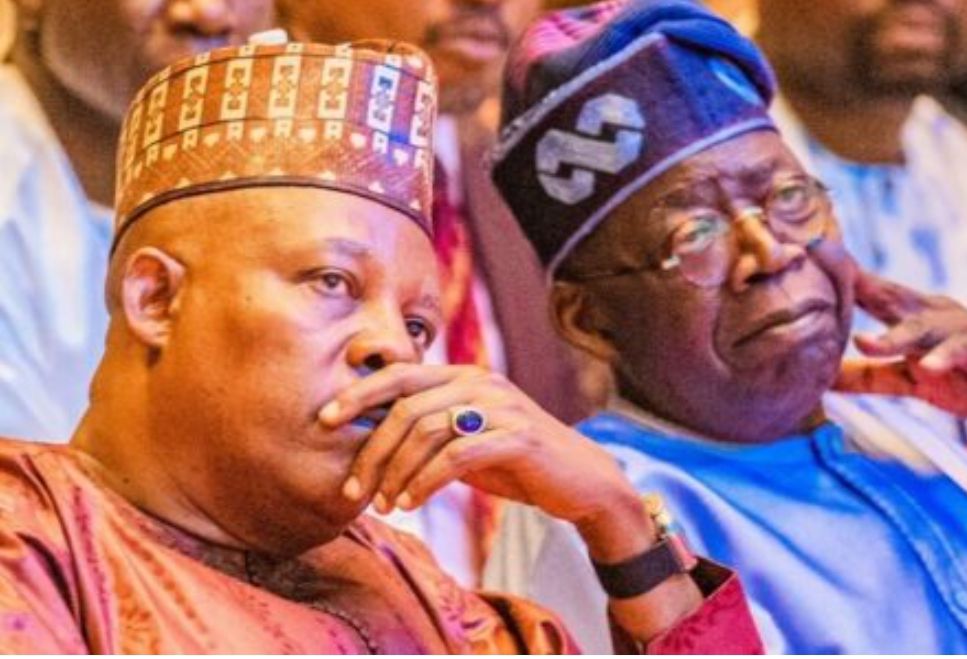
Addressing regional challenges, Shettima acknowledges the high out-of-school rates in northern Nigeria. He calls for tailored action plans to tackle these issues directly.
Vice President Kashim Shettima’s dedication to education and empowerment lights the way for a better Nigeria. His legacy in Borno State set a powerful example, and his national efforts working with his boss president Bola Tinubu, another dogged promoter of girl-child education and women empowerment, continue to inspire hope for a more inclusive future.
The alarming statistics regarding girl child education in Nigeria, as reported by UNICEF, underscore a pressing crisis that warrants immediate action. Approximately 7.6 million girls are out of school (OOS), with 3.9 million missing out on primary education and 3.7 million not attending junior secondary school. These figures reflect a significant gender disparity in education, with more than 50% of girls not enrolled at the basic education level. This situation is not just a statistical concern; it represents the lives and futures of millions of girls who are being deprived of essential learning opportunities.
Leaders like President Bola Tinubu and VP Kashim Shettima understand, clearly, that the consequences of this educational gap are profound and far-reaching. Each year, around 1 million girls drop out between the first and last year of primary school, and an additional 600,000 leave before advancing to junior secondary school. Such attrition not only limits the individual potential of these girls but also perpetuates cycles of poverty and inequality. We all must come to terms with the fact that an educated female population is critical for economic development and social progress, making this issue not just an individual concern but a national imperative.
Advocating for girl child education is essential for fostering a more equitable society. Educated girls are more likely to contribute positively to their communities, have healthier families, and achieve higher incomes. By investing in their education, we empower them to break free from the cycles of poverty and discrimination that have historically marginalized them. Addressing the issue of girl child education in Nigeria is not only about ensuring access to classrooms; it is about unlocking the full potential of half the population and paving the way for a brighter, more sustainable future for all. This I believe in sync with the philosophy of the incumbent leaders at the presidency.
 The Humanitarian Times