
By Abdulkareem Haruna
Earlier this week, I had the opportunity to be at the council chambers of Government House Maiduguri to cover a significant event aimed at revitalizing the economy around the Lake Chad basin. During this historic event, Borno State and the Republic of Chad initiated a historic bilateral commitment to enhance trade between the West African neighbors.
This initiative comes in the wake of persistent security challenges posed by Boko Haram insurgents, which have long disrupted commercial activities in the region. On October 27, 2024, Boko Haram launched an assault on a Chadian National Army position in Barkaram. The attack resulted in casualties among the soldiers, prompting an immediate assessment and response from the Chadian President, who contemplated withdrawal of his troops from the Multinational Joint Force (MNJTF) – a coalition of military units from Benin, Cameroon, Chad, Niger, and Nigeria, focused on combating Boko Haram and other security issues in the Lake Chad Basin.
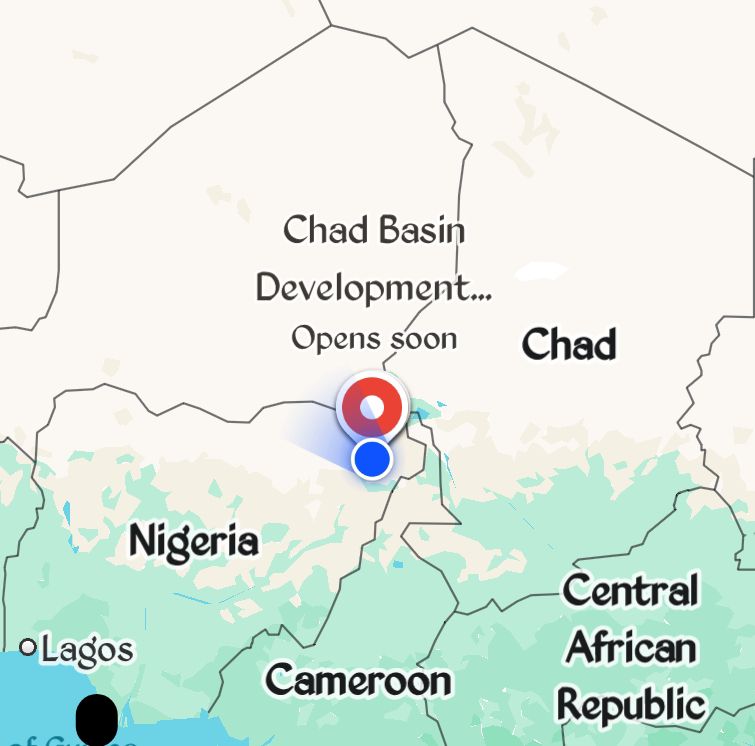
During the meeting with a Chadian delegation led by the visiting General Abdelkerim Idris Derby Itno, Governor Zulum who expressed plans for a return visit to Chad to engage with President Mahamat Idris Derby Itno, led a discussion that focussed on strengthening regional trade and economic collaboration, particularly the restoration of waterway transport between Baga town and Chad, a vital lifeline for commerce.
“I will soon pay a visit to Chad to discuss matters of mutual interest, particularly the restoration of waterway transport,” Governor Zulum stated, highlighting the strategic importance of this initiative.
Of course the potential benefits of strengthened trade ties are substantial. Borno State, with its rich agricultural base, could significantly enhance its economic prospects through increased access to Chadian markets. Furthermore, the historical and cultural connections between the peoples of Borno and Chad create a foundation for cooperative economic activities.
General Derby Itno, on his part emphasized this bond, stating that “the people of Borno and Chad share similar cultures and traditions which could facilitate smoother business interactions.”
In furtherance to the trade discussions, Governor Zulum indicated plans to coordinate with the chambers of commerce in both Chad and northeastern Nigeria. This effort aims not only to bolster economic partnerships but also to create a more stable environment for business operations amidst ongoing security issues.

The Borno state governor had also announced a repatriation plan for Nigerian citizens currently residing in Baga Sola, Chad, which underscores a humanitarian aspect of this bilateral engagement, potentially restoring the community ties that have been strained by conflict.
The most interesting aspect of the bilateral talks on Wednesday was that both leaders openly committed to solidarity in the fight against Boko Haram; with Governor Zulum commending President Derby’s leadership, particularly in light of recent tragic losses among Chadian military personnel.
“We are united in our resolve to tackle these challenges together,” Zulum remarked, emphasizing the importance of collaborative security efforts.
As Borno and Chad navigate these turbulent waters, the commitment to enhance trade and economic ties presents a ray of hope for both the national and sub national governments.
It is therefore my humble submission that if the governments could leverage their cultural connections and mutual interests, they may not only revive commerce but also foster a more resilient economic landscape, capable of withstanding the pressures of insecurity.
So, as both sides said they are open and prepared for future discussions, the potential for a renewed economic partnership remains a promising prospect for the people of Borno and Chad.
 The Humanitarian Times