By Abdulkareem Haruna
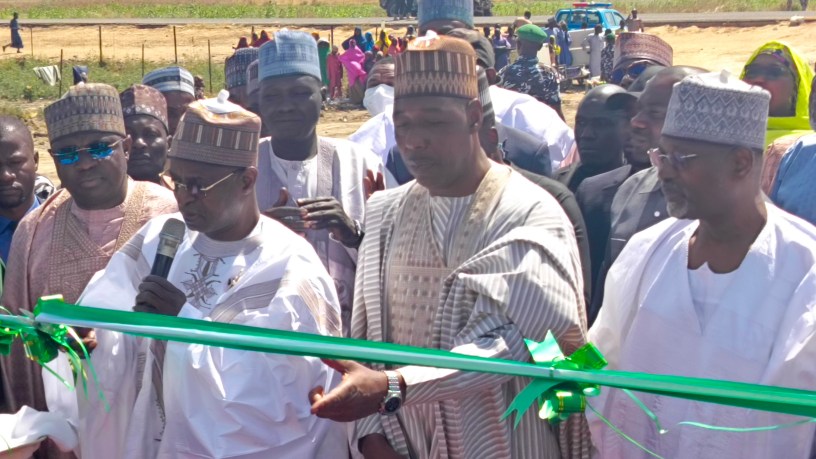
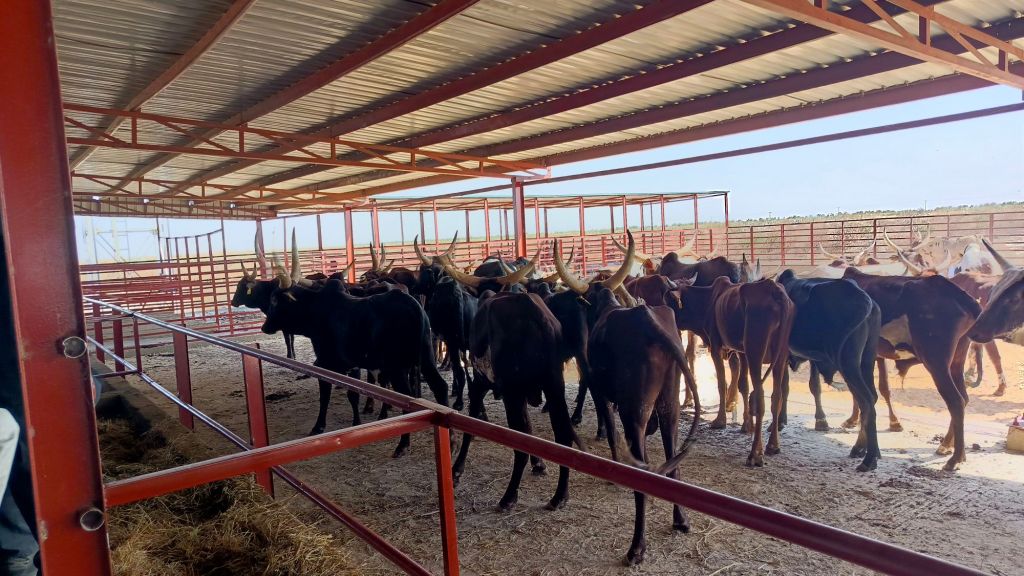
On Saturday, January 11, Borno State, in partnership with the federal government of Nigeria, inaugurated a new cattle ranch and resettlement center aimed at addressing both farmers-herders conflicts and hunger issues.
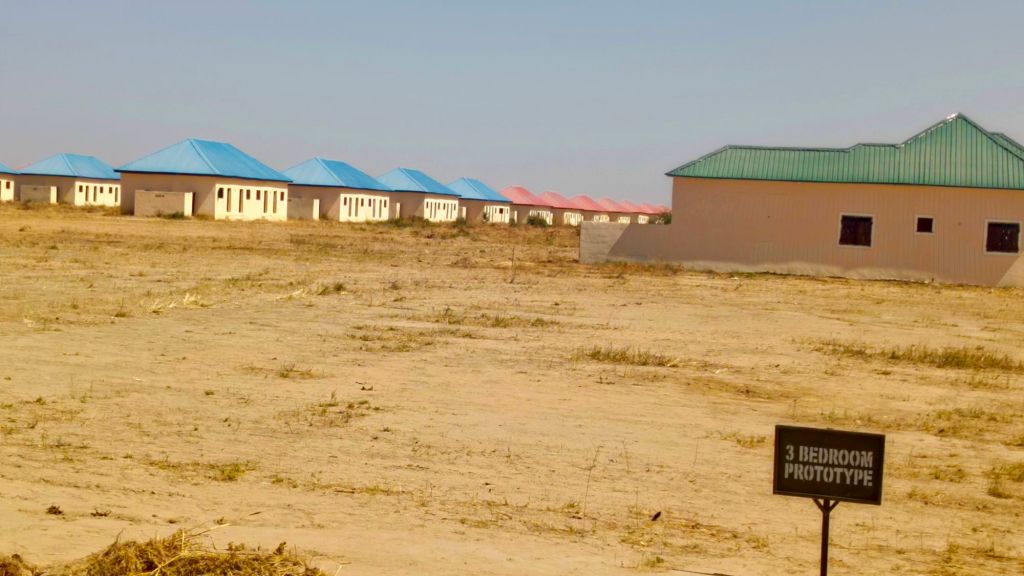
Named the Ngarannam Ruga Center, this initiative which provides livelihood support for 461 families, is the first of its kind in the region and is designed to enhance livestock farming and food security.
The event attracted numerous key figures in the livestock sector.
Governor Babagana Zulum, the chief host at the event, stated that the ranch development and resettlement initiative seeks to reduce hunger and unemployment.
“This is an important day for Borno State,” Governor Zulum remarked during the opening ceremony. “This center demonstrates our commitment to supporting farming and assisting people in rebuilding their lives after facing challenges such as insurgency and displacement.” He emphasized that this project is part of a broader plan to strengthen the livestock sector and support local communities.
He explained that the Ngarannam RUGA Center is one of three planned facilities in Borno, each comprising over 27 essential facilities, including housing, schools, health clinics, and veterinary services. “These buildings are more than mere structures; they symbolize hope for our people,” Zulum added.
Deputy Governor Umar Usman Kadadur underscored the government’s commitment, stating, “Today, we are taking tangible steps toward creating a safer and more prosperous future for our state.” He noted that the Borno State government financed more than 60 percent of the construction costs.
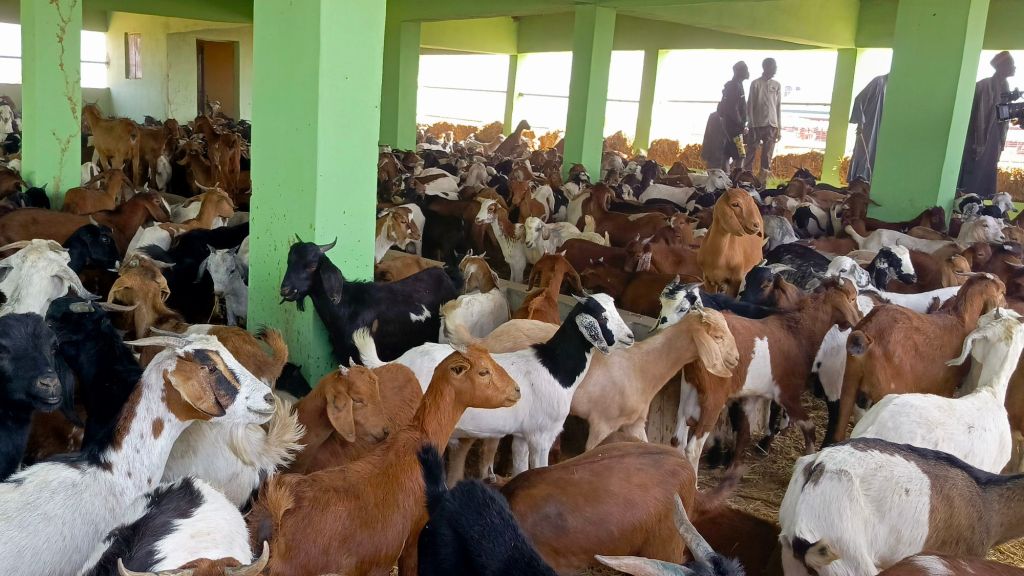
Additionally, he announced that 461 families from 18 communities affected by Boko Haram will receive cattle, goats, and essential supplies.
“This support is an investment in the livelihoods of our citizens,” Zulum explained.
Minister of Livestock Development, Idi Mukhtar Maiha, commended the state’s efforts, stating, “This project will help make livestock farming more sustainable and efficient.”
He observed that it aligns with President Bola Ahmed Tinubu’s goals and will help reduce conflicts between farmers and herders while encouraging youth and women to participate in livestock activities.
The new ranch and resettlement center are viewed as significant steps toward revitalizing the livestock sector in Nigeria, which could generate jobs and bolster the economy. “Borno State has immense potential for livestock farming,” Zulum concluded, inviting investors to engage in this vital endeavor.
As Borno State advances with this initiative, there is hope that these new centers will foster regional growth, create employment opportunities, and bring peace and stability to its communities.
Professor Attahiru Jega, co-chairman of the Presidential Livestock Reform Implementation Committee, delivered a keynote address at the event, commending the Borno State government for this initiative.
“I am greatly honored to address you today on reforms in the Nigerian livestock sector and the tremendous potential for economic growth and sustainable existence. First, I wish to express my sincere gratitude to His Excellency the Governor, Professor Babagana Zulum, for extending the invitation to me and my colleagues in the Presidential Livestock Reforms Implementation Committee to participate in today’s event and deliver this keynote address. I must say that today I have witnessed something unprecedented in our country. We have experienced the vision of a leader, the passion, and the commitment to what will undoubtedly drive economic growth, uplift the lives and livelihoods of our people, and provide employment for our citizens. This is what any good leader ought to do. However, I regret to say that we are lacking in good leaders in our country. Therefore, when we observe such efforts, we must commend and support them, ensuring that they not only mature but also remain sustainable. From what I have seen, heard from His Excellency the Governor, and what we expect from stakeholders in Borno State, I have no doubt that this marks the beginning of a turnaround in empowering our people, fostering economic development, and delivering what Nigerians truly desire—the dividend of democracy.”
One of the beneficiaries, Bulama Idris Hassan, an internally displaced person (IDP) from Channah village in the Mafa local government area of Borno State, shared his joy with our reporter, expressing happiness at regaining his livelihood—cattle rearing—after it had been lost to Boko Haram for an extended period.
“I am one of the happiest people here today because the government has finally responded to our pleas by providing us with this ranch,” he said. “I was a cattle rearer from a young age until Boko Haram took everything from us. Now, I thank the government for giving us a new lifeline.”
 The Humanitarian Times