By Abdulkareem Haruna
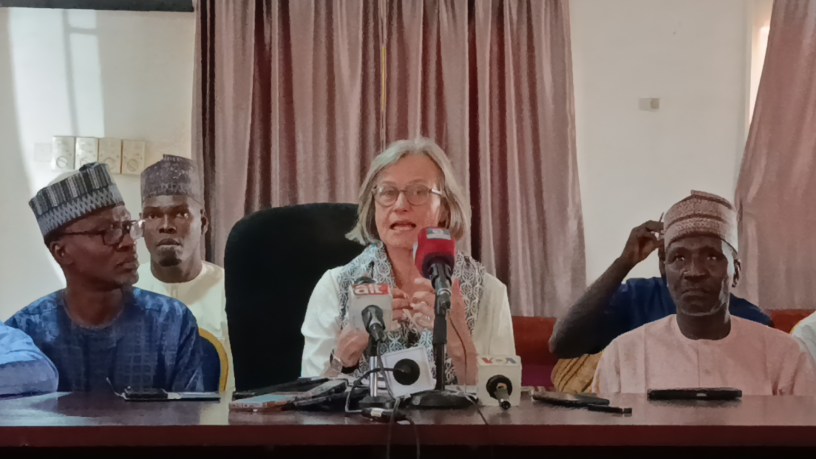
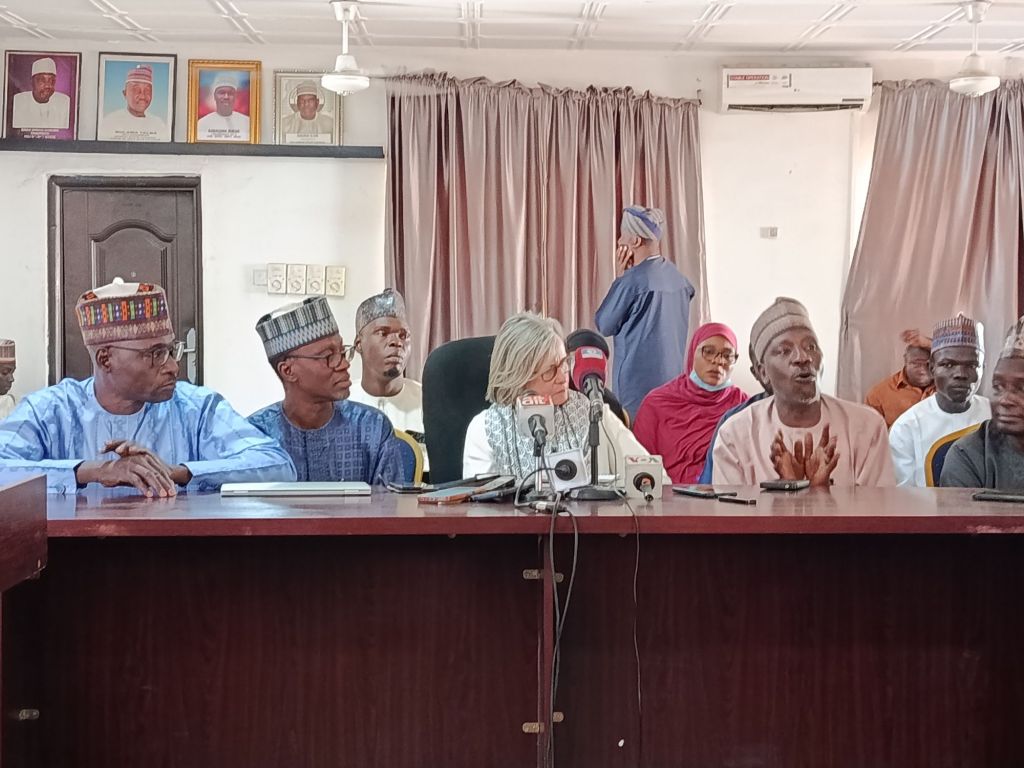
Maiduguri, Nigeria – Diana Mitlin, Professor of Global Urbanism at the University of Manchester and CEO of the African Cities Research Consortium (ACRC), recently visited Maiduguri to oversee ACRC projects. We sat down with her to discuss the challenges facing African cities and how her work is making a difference, particularly in places like Borno State and across Nigeria.
Professor Mitlin, the ACRC focuses on urban development in Africa. What prompted this focus, and what are the core issues you’re addressing?
For a long time, development efforts concentrated on rural areas. But as the world rapidly urbanized, that approach became outdated. There was also this misleading idea of “urban bias,” assuming cities were inherently prosperous. The reality is that a huge proportion of urban populations – 56% in Africa – live in informal settlements with insecure housing, limited access to basic services, and often disconnected from the formal economy. We recognized the urgent need to address these challenges.
You’ve spoken about a “conceptual framework” guiding the ACRC’s work. Can you elaborate on that?
Our framework has several key components. First, we recognize the importance of the political context. Meaningful change requires political will and commitment from leadership. Second, we emphasize systems thinking. Public services shouldn’t be implemented piecemeal; we need to consider how different systems – water, sanitation, energy, transportation – interact and impact each other. Third, we focus on community mobilization. Active and engaged citizens are crucial for identifying needs and driving change. Fourth, we value “reform coalitions” which bring together NGOs, academics, media, and other stakeholders to push for positive change. Finally, we recognize the need for capacity building among officials, empowering them to implement effective reforms.
The ACRC works in 12 cities across Africa. Can you give specific examples of the challenges you’re tackling in these locations, including Maiduguri?
In Maiduguri, we’re focusing on land titling to provide security for vulnerable groups, and addressing the complex issues around drug abuse. Across our cities, we see common threads: economic and spatial informality, the need to bridge the gap between formal and informal sectors, and the challenge of securing political buy-in. For instance, in Harare, Zimbabwe, we’re working with a partially informal market to improve service delivery through innovative financing mechanisms. We also see issues like flooding in many cities, though thankfully less so in Maiduguri. These are just a few examples, and each city has its own unique set of challenges.
You mentioned the difficulty of integrating the formal and informal sectors. Why is this such a persistent challenge, and how is the ACRC addressing it?
Many government officials still believe they can solve urban problems by focusing solely on the formal sector. There’s a hesitancy to embrace hybrid systems that work across both formal and informal realities. Our projects aim to demonstrate how this can be done effectively. We showcase successful collaborations and highlight the benefits of integrating these two worlds.
How do you ensure the sustainability of your projects, particularly given potential changes in government administrations?
Sustainability is crucial. We focus on building local capacity and empowering communities to take ownership of the development process. We also recognize that residents and workers in informal areas are already contributing significant amounts. By developing effective projects, we can help organize these resources to better meet community needs. We work with existing structures and try to strengthen them rather than creating new ones that might collapse when funding ends.
Gaining political buy-in is clearly essential. How do you navigate the political landscape and convince officials to support your initiatives?
We find that many political leaders genuinely want to improve the lives of their constituents. However, they may be hesitant to engage with informal settlements due to perceived risks. Our pilot projects are designed to demonstrate success and build confidence. We want to show them that collaboration with communities, NGOs, and academics can lead to positive outcomes. It’s about building trust and showing that these projects are not only effective but also politically viable.
How does the ACRC’s work impact Borno State and Nigeria more broadly?
In Borno, our work on land titling can provide much-needed security and stability, especially for vulnerable populations. Addressing drug abuse is another critical area, contributing to improved public health and safety. More broadly in Nigeria, our focus on integrating the informal sector can unlock economic potential and create more inclusive cities. By demonstrating effective strategies and fostering collaboration, we hope to contribute to a broader shift in urban development practices across the country.
Finally, how does the ACRC address the complex issue of informal settlements, often characterized by non-compliance with regulations and standards?
We recognize the complexities of informal settlements. The term “slum” can be very pejorative. We prefer to focus on the challenges of inadequate housing and insecure tenure. We work with communities to understand their needs and develop solutions that are both practical and sustainable. It’s not about imposing regulations but about working together to improve living conditions and create more inclusive cities.
The environment, and specifically climate change, are increasingly critical factors in urban development. How does the ACRC integrate these concerns into its work?
We don’t see the environment as a separate issue. It’s interconnected with all aspects of urban life – economic, built, and social. Climate change is a cross-cutting concern that we consider in all our projects. We’re also working to share lessons learned from our work in Africa with the IPCC, contributing to global conversations about sustainable urban development.
Thank you, Professor Mitlin. It’s clear that the ACRC’s work is vital for the future of African cities.
Thank you. We believe that by working together – governments, communities, researchers, and other stakeholders – we can create cities that are more just, equitable, and sustainable for all.
 The Humanitarian Times