By Abdulkareem Haruna
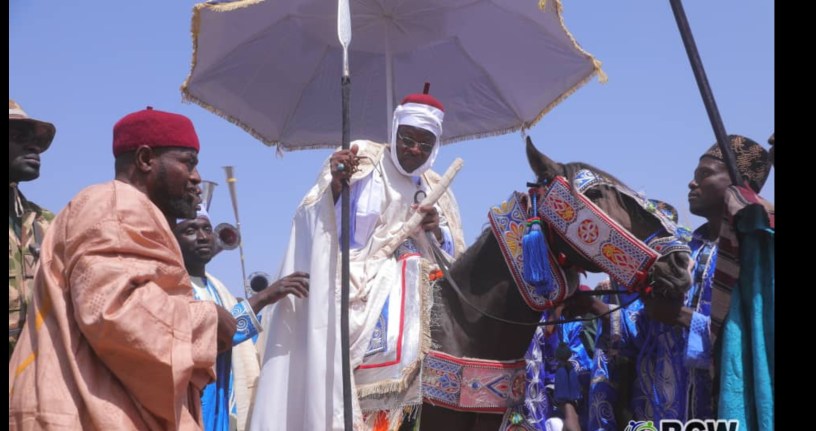
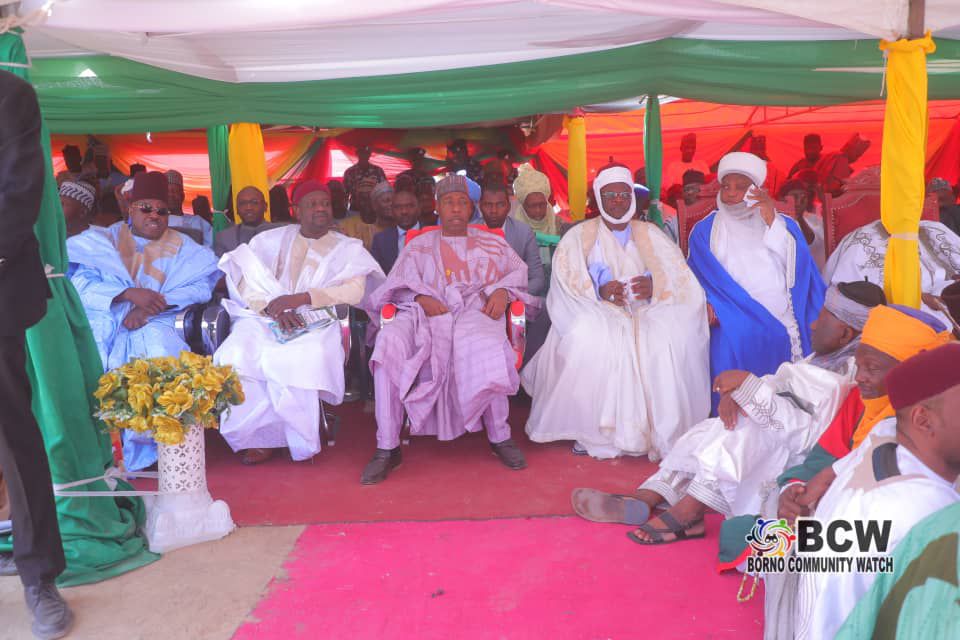
DIKWA, Nigeria — In a colorful ceremony marked by tradition and hope, Ibrahim Ibn Umar Ibrahim was coronated as the 13th Shehu of Dikwa, an auspicious event attended by dignitaries from across Nigeria and beyond. The new Shehu, a figure of revered leadership, expressed his gratitude and outlined his vision for the future of the Dikwa Emirate.
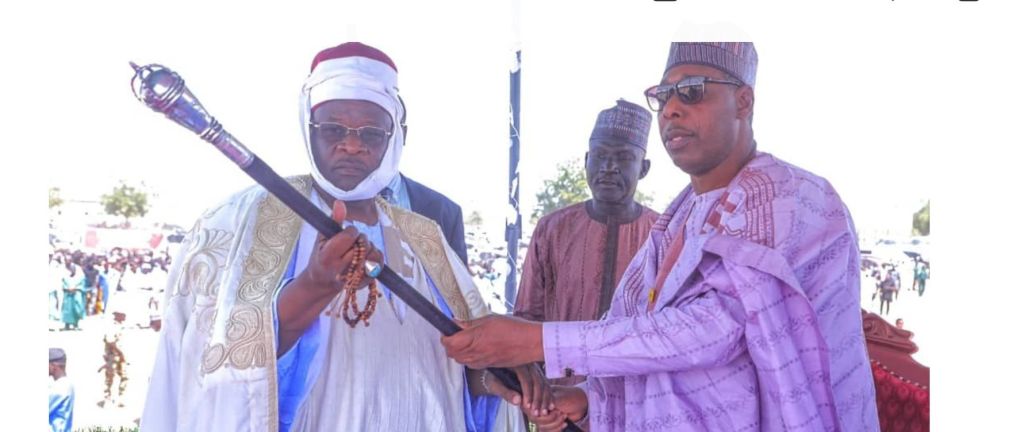
“All thanks and praises be to Allah, the Compassionate and Merciful, for allowing us to witness this historic day,” Shehu Ibrahim declared, as he accepted the staff of office from His Excellency, Prof. Babagana Umara Zulum, the Governor of Borno State.
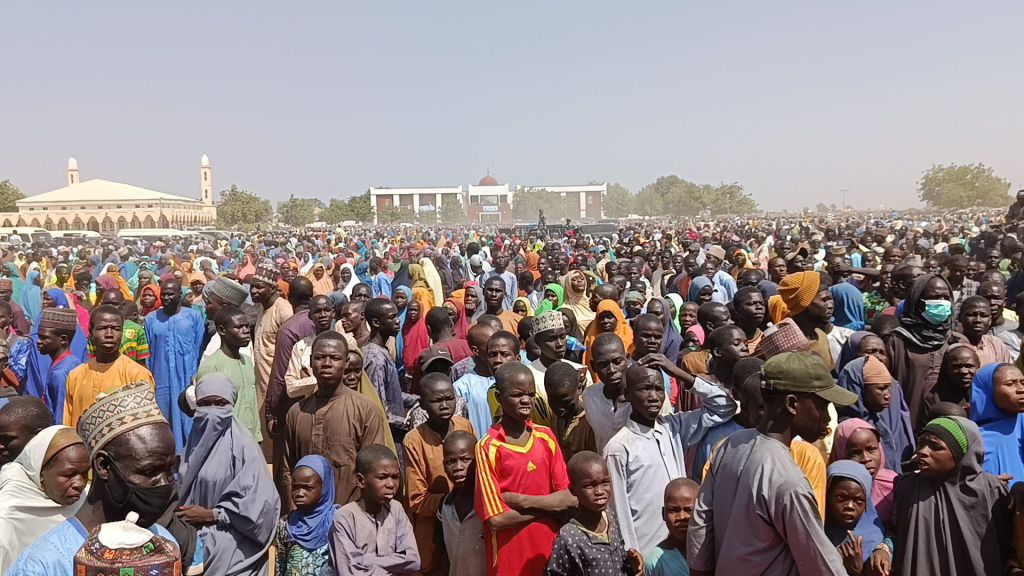
As the new Shehu spoke, his voice resonated across the grand arena, which was filled to capacity with thousands of well-wishers. Joyful smiles adorned the faces of the crowd, some even glistening with tears, as they celebrated the return of a king to his palace; a palace once deserted after the brutal occupation by the misguided quasi-jihadist group Boko Haram.
“Let me express our profound gratitude to the important personalities from all walks of life who have traveled to celebrate this occasion,” said Shehu Ibrahim, acknowledging the diverse gathering of attendees.
In his speech powerful but terse speech, the Shehu emphasized his commitment to the responsibilities bestowed upon him. “I promise to abide by the content of the oath administered to me, Insha Allah,” he vowed, solidifying his dedication to the emirate.
Shehu Ibrahim praised the state government’s adherence to tradition in his appointment. “Today’s occasion marks a milestone in the history of Dikwa Emirate,” he noted, even as he commended Governor Zulum for his efforts in the resettlement of the Logumani and Gajibo communities, applauding the provision of essential social amenities.
Highlighting the potential of the region, the Shehu expressed appreciation for the governor’s initiatives. “His Excellency’s synergy, capacity, and sincerity of purpose have paved the way for our people to explore huge agricultural and other potentials,” he stated, recognizing the developmental projects undertaken across the state.
He also called on the federal government to extend the reconstruction of the Maiduguri-Dikwa-Ngala Road to Kala-Balge, a critical infrastructure need that has alienated that part of his kingdom for many years.
“I appeal to the federal government to extend the construction of the road to Kala-Balge,” he urged, stressing the importance of connectivity for local communities.
Security was another focal point of his address. “I commend our gallant officers of the Armed Forces and other security agencies,” he said, urging cooperation with law enforcement to ensure peace and stability in the region.
The coronation of Shehu Ibrahim marks not just a ceremonial transition, but a promise of leadership committed to unity and progress for the people of Dikwa. As he steps into his new role, the emirate looks forward to a future enriched by tradition and guided by a vision for development.
Governor Zulum, who presented the special staff of office—a royal scepter with a shiny black shaft and a silver finial head intricately engraved with ornamental elements symbolizing monarchical authority—advised the king to wield his considerable powers with a sense of fairness, kindness, love, and firmness, just as his predecessor, Shehu Muhammad Ibn Masta Elkanemi, did. Shehu Masta Elkanemi, whose reign between 2010 and 2021, laid a solid foundation for the revived palace in Dikwa many years after it was relocated to Bama by the colonialists.
The history of the Dikwa Emirate is closely linked to the Borno Kingdom and European colonialism. Before 1893, Dikwa was part of the powerful Borno Kingdom, which had existed for centuries and included areas of what is now Nigeria and neighboring countries like Chad and Niger.
The Humanitarian Times was made to understand that in 1893, a Sudanese warrior named Rabeh took over Dikwa and made it the capital of his own kingdom. This rule lasted until 1900, when the French defeated Rabeh and took control of the area. A treaty between Germany and Britain, signed in 1893, stated that Dikwa would be under German control. So, in 1902, the French handed Dikwa over to Germany, making it part of the German colony of Kamerun (Cameroon). This event is considered the start of the Dikwa Emirate. From 1902 to 1916, Dikwa served as the capital of German Borno under European rule.
After World War I, the British took over Dikwa and the surrounding emirate. They first governed it under a League of Nations mandate and later under a United Nations Trusteeship agreement, until 1961. During this time, the capital of the Dikwa Emirate was moved to Bama in 1942, but the Emirate kept the name Dikwa.
In 1961, after a United Nations vote, the Dikwa Emirate officially became part of Nigeria. Even though the Emirate’s headquarters moved to Bama, Dikwa town remained important, later becoming a local government seat instead of the capital.
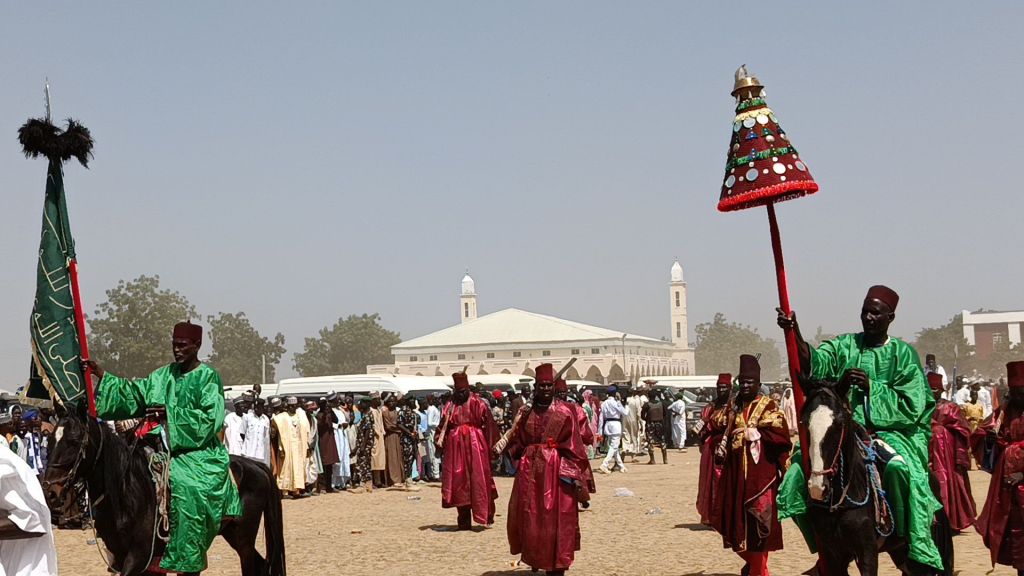
In 2009, the Borno State Governor, Ali Modu Sheriff made Dikwa town the headquarters of the Dikwa Emirate again, creating the Bama Emirate. The title of the monarch in Bama changed from Shehu to Emir, while the revived head of Dikwa Emirate now bears the title Shehu of Dikwa with three local government areas of Dikwa, Ngala and Kala Balge under his domain. The current Shehu of Dikwa, appointed in 2023, is the second leader since the Emirate was re-established in 2009.
Shehu Ibrahim Ibn Umar Ibrahim’s kingdom oversees the most arable and fertile lands in Borno, located at the heart of the receded portions of the Lake Chad basin. Driving from Maiduguri to Dikwa, one can see clear signs of the kingdom’s wealth in natural resources. Despite the harmattan season, fields of green millet plantations can be spotted, nearly ready for harvest in just a few weeks. Soil scientists have confirmed that, with proper management of Dikwa’s rich soils—composed entirely of underwater soil from the lake—the Dikwa Emirate alone has the potential to feed all of northern Nigeria.
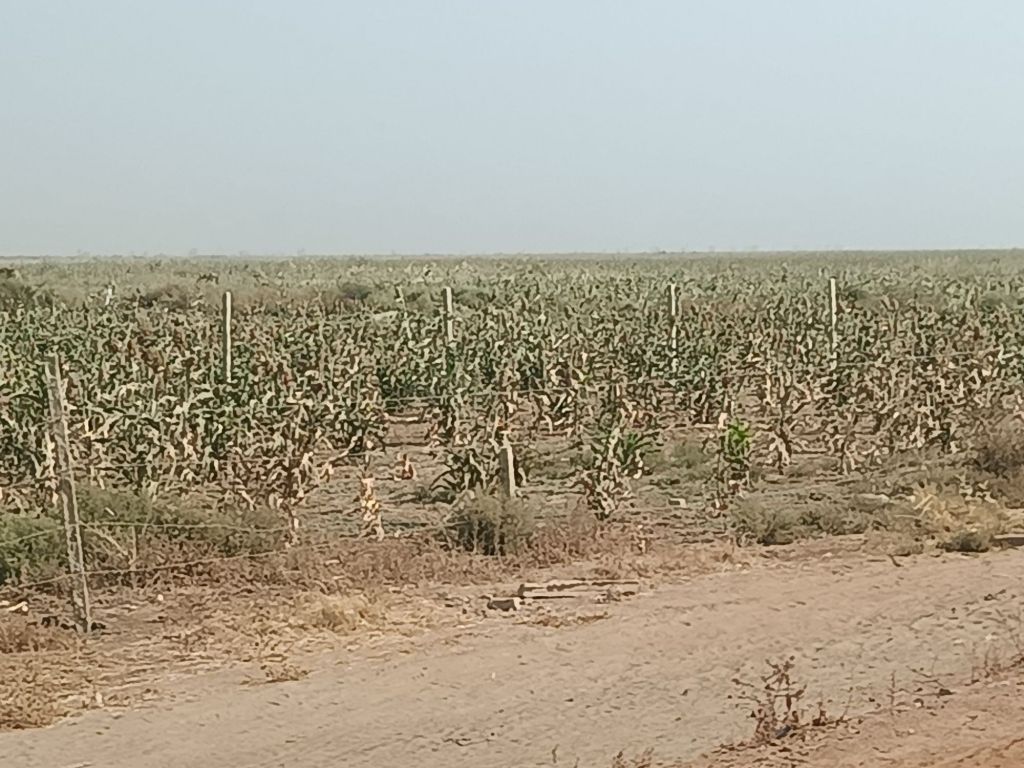
Unfortunately, over the years, conflicts and climate challenges have hindered the natural progress and human development of the Dikwa Emirate, stalling its advancement. Borno State Governor Babagana Zulum announced that in about a month, Dikwa will be connected to the national electricity grid. This will illuminate the town, bringing light to the dark times that have affected this rich kingdom and brightening the future for its resilient people.
Long live Shehu Ibrahim of Dikwa.
 The Humanitarian Times