By Abdulkareem Haruna
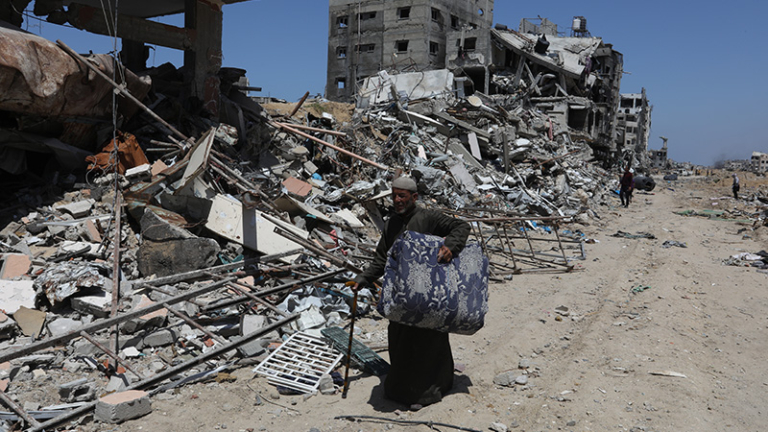
Hamas has announced plans to release six Israeli hostages this Saturday, along with the bodies of four others on Thursday, as part of a ceasefire agreement with Israel. This decision marks an increase from an earlier commitment to release three hostages and comes in response to Israel allowing mobile homes and construction equipment into Gaza, which has been devastated by ongoing conflict.
The hostages, who were abducted during the Hamas attack on October 7, 2023, have been held for nearly 500 days. The announcement follows a period of tension, where Hamas initially postponed the release, accusing Israel of violating ceasefire terms. However, after negotiations mediated by Egypt and Qatar, Hamas confirmed the release would proceed.
Israeli Prime Minister Benjamin Netanyahu expressed gratitude towards U.S. President Donald Trump for his support, which he claimed helped persuade Hamas to move forward with the release. The Israeli Defense Forces confirmed that the hostages would be transferred to Israel following their release.
Hamas has announced plans to release six Israeli hostages this Saturday, along with the bodies of four others on Thursday, as part of a ceasefire agreement with Israel. This decision marks an increase from an earlier commitment to release three hostages and comes in response to Israel allowing mobile homes and construction equipment into Gaza, which has been devastated by ongoing conflict.
In parallel, a report from the World Bank, United Nations, and European Union estimates that the reconstruction of Gaza will require over $53 billion. The report highlights that nearly $30 billion in damage has been caused by the conflict, with approximately 90% of Gaza’s population displaced. The reconstruction plan will involve a coalition of international donors and significant improvements in the delivery of materials to the region.
As part of the ceasefire agreement, Israel has begun allowing heavy machinery into Gaza to assist in clearing rubble and facilitating reconstruction efforts. This move is seen as a critical step towards rebuilding the war-torn region.
Concerns have also been raised regarding the use of artificial intelligence in military operations. An investigation revealed that U.S. technology companies have provided Israel with AI tools that have enhanced military efficiency but also contributed to a rise in civilian casualties.
The situation remains fluid, with ongoing negotiations for a more complex second phase of the ceasefire. The international community continues to call for a long-term resolution to the Israeli-Palestinian conflict, emphasizing the need for humanitarian aid and support for those affected by the violence.
 The Humanitarian Times