By Abdulkareem Haruna
MAIDUGURI, Nigeria — The United Nations Children’s Fund (UNICEF) acknowledged the significant impact of recent U.S. funding cuts on its humanitarian operations in northeast Nigeria, where millions have been displaced by violence, but vowed to continue its aid efforts by implementing cost-saving measures, including potential staff reductions and curtailed travel.
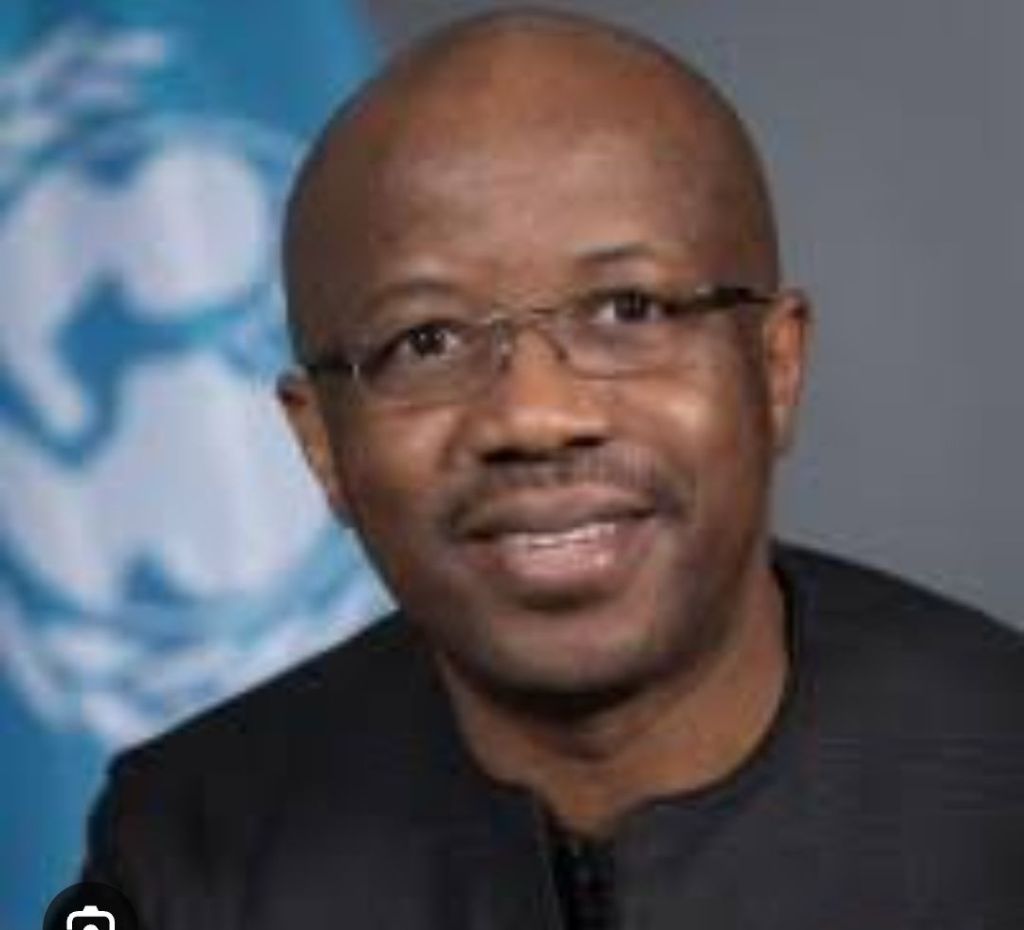
Gilles Fagninou, UNICEF’s regional director for West and Central Africa, speaking to journalists during a visit to a rehabilitation camp for children affected by the insurgency in Maiduguri, Borno State, emphasized the critical nature of humanitarian assistance in the region. While acknowledging the financial strain imposed by the U.S. withdrawal of funds, a decision ordered by former President Donald Trump, Fagninou pledged that UNICEF would maintain its presence and support for affected communities.
“We are here to support the government and communities,” Fagninou said. “We will make sure we continue to receive funding, and we will operate with the minimum we have on the ground.”
The funding reduction, he conceded, will necessitate a recalibration of UNICEF’s operations. “We won’t be able to support as we have been doing before, but our interventions will continue,” he stated.
In response to the financial shortfall, UNICEF is planning to implement austerity measures across its West and Central African operations. These measures, according to Fagninou, will include a potential downsizing of the organization’s workforce, a reduction in non-essential travel, and the streamlining of other official engagements to conserve resources.
“Domestic resources are coming to fill the gap,” Fagninou noted, highlighting ongoing discussions with national, state, and regional governments to secure alternative funding.
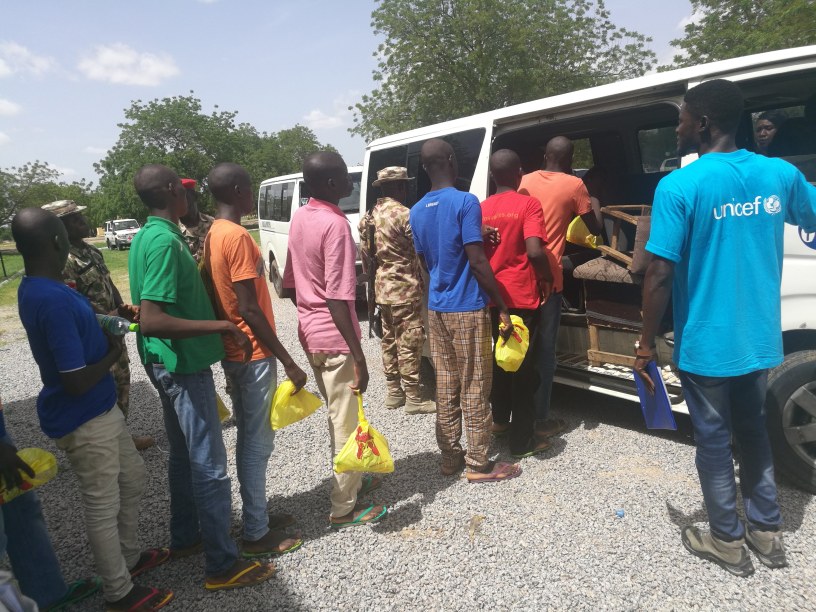
The UNICEF director’s visit to Nigeria, a week-long assessment of the organization’s support to communities affected by conflict, disease, and disaster, underscored the ongoing humanitarian crisis in the region. Fagninou expressed admiration for the dedication of staff at the Maiduguri rehabilitation camp, where thousands of children and women associated with surrendered insurgents are receiving psychosocial support.
Despite the financial challenges, UNICEF aims to maintain its core mission of providing essential services to vulnerable populations in northeast Nigeria, adapting its operations to ensure the continued delivery of critical aid in the face of dwindling resources.
 The Humanitarian Times