By Abdulkareem Haruna
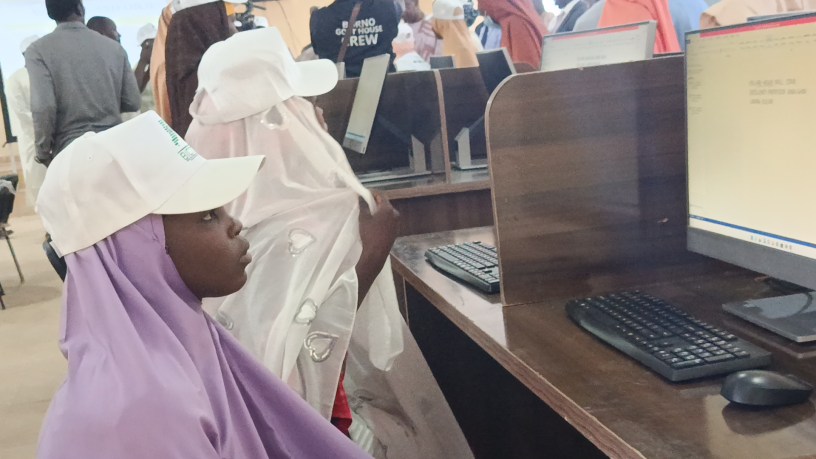
MAIDUGURI, Nigeria — In a bid to bridge the digital divide caused by over a decade of Boko Haram insurgency, the Borno State Information and Communication Technology Development Agency (BICTDA) is pioneering the use of local dialects to teach computer literacy, officials said Monday.
This linguistic innovation is central to the agency’s broader effort to rebuild the state’s digital infrastructure and empower its citizens, particularly in remote areas.
Engr. Kabir Wanori, BICTDA’s executive secretary, had in a press briefing marking the first anniversary of the agency, highlighted the devastating impact of the conflict on Borno’s digital landscape.
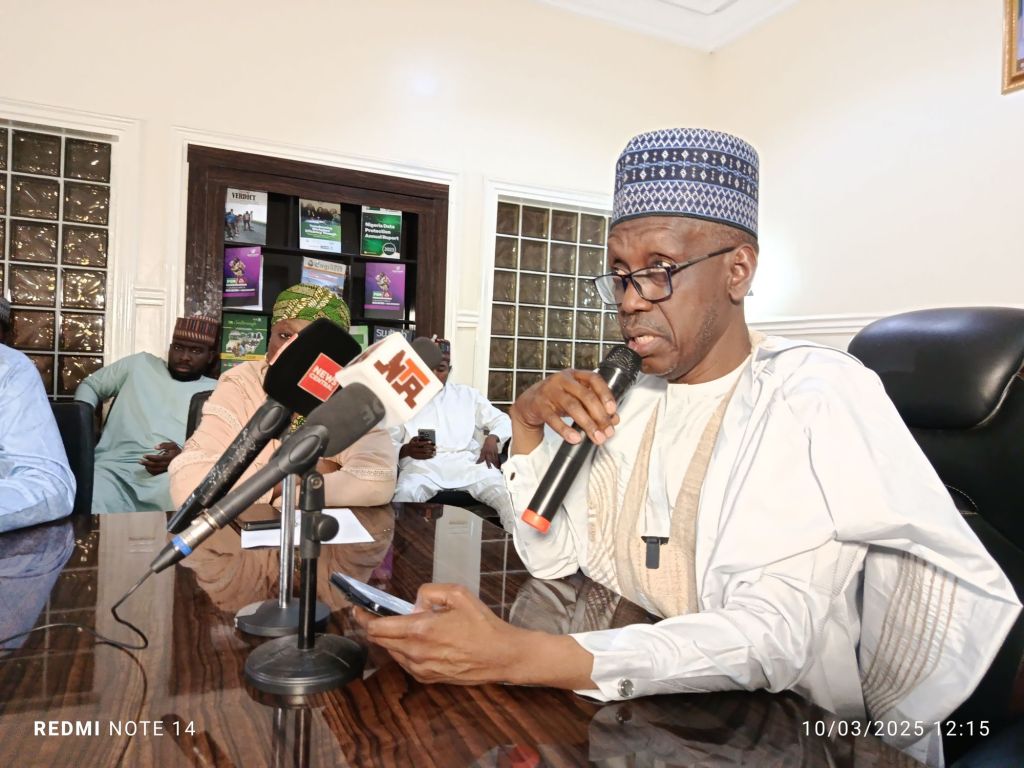
“One of the greatest breakthroughs of the ICT learning was using local parlance to teach girls and boys in the remote areas on how to operate the computer,” Wanori said, underscoring the agency’s commitment to reaching even the most marginalized communities.
This approach reflects BICTDA’s multifaceted initiative to revitalize the state’s digital ecosystem, which includes establishing digital literacy centers, expanding high-speed internet access, and fostering digital skills through strategic partnerships.
The agency, according to the ES, has so far established 10 operational digital centers across Borno’s three senatorial districts, graduating over 2,000 students and issuing 1,170 certificates to the graduates.
He said with partnerships forged with entities like Google, Cisco, and the International Organization for Migration (IOM), BICTDA is integrating globally recognized digital literacy curricula.
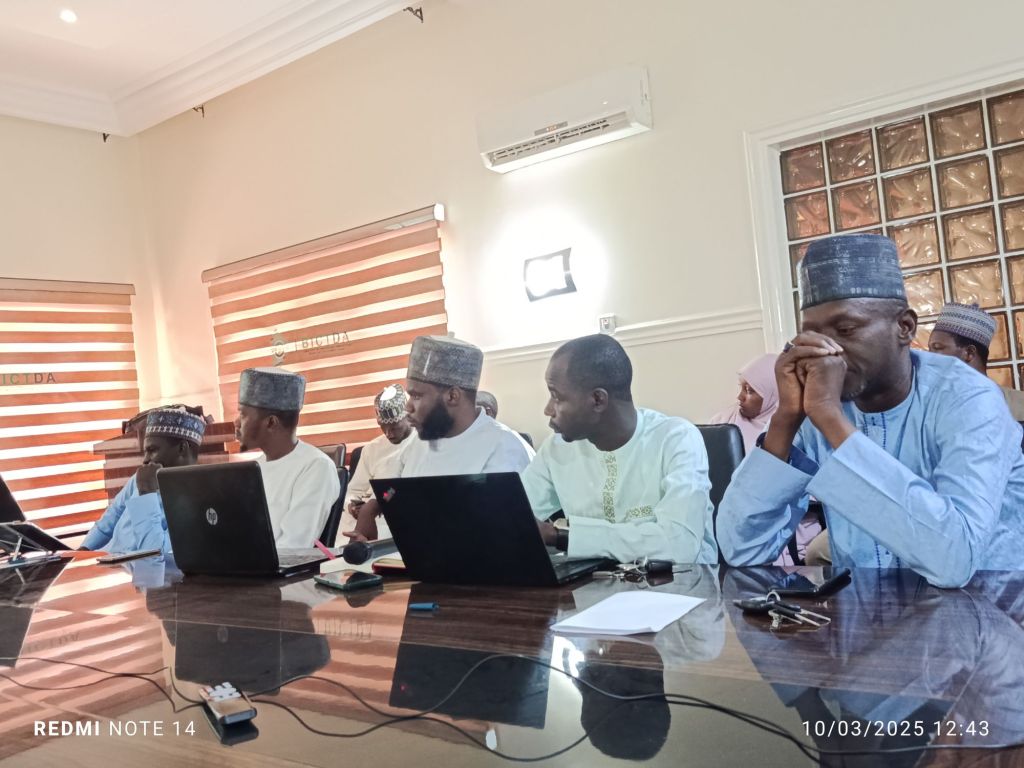
Engineer Wanori outlined a series of achievements, including:
* The establishment of 22 digital literacy centers, with 14 fully equipped and 8 nearing completion, benefiting nearly 4,000 people.
* Statewide campaigns on cybersecurity and cybercrime, aimed at reducing vulnerability to scams and data breaches.
* The development of the Borno Rescue Management System (BRMS) app, which facilitated the rescue of over 100 stranded persons during the 2024 flood crisis.
* The installation of 12 satellite broadband internet systems across 5 local government areas and 7 digital literacy centers.

* The training of over 100 Industrial Training Fund (ITF) students in software development, cybersecurity, and ICT governance, and the incubation of 30 secondary school students in collaboration with MAXITON technologies.
* Recognition as the 1st runner-up in Digital Technology Human Capital Development at the 12th National Council on Communications, Innovation, and Digital Economy (NCCIDE).
“We are committed to ensuring Borno is digitally empowered to drive economic growth, improve governance, and enhance the quality of life for our citizens,” Wanori said.
“The digital economy is the future, and we cannot afford to be left behind.”
Speaking earlier at the opening of the briefing, Bulama Sawa, BICTDA’s technical secretary, added that the agency’s mission extends beyond infrastructure repair, aiming to position Borno as a regional tech hub and leverage ICT to enhance government services.

“The BICTDA’s commitment to digital human capital development has been recognised nationally, particularly its efforts in equipping youth with digital skills,” Sawa said.
 The Humanitarian Times