By Abdulkareem Haruna
The Center for Advocacy, Transparency and Accountability Initiative (CATAI) l, AA Maiduguri-baser NGO, has successfully implemented several strategic initiatives aimed at empowering women and girls during the past years in northeast Nigeria.
With funding from the Nigeria Humanitarian Fund and partnerships with organizations such as Malala Fund and the Danish Refugee Council, CATAI has facilitated the enrollment of over 2,279 students into formal education systems and established 12 Non-Formal Education Centers in Borno State, creating vital learning opportunities for 600 adolescent girls and young women.
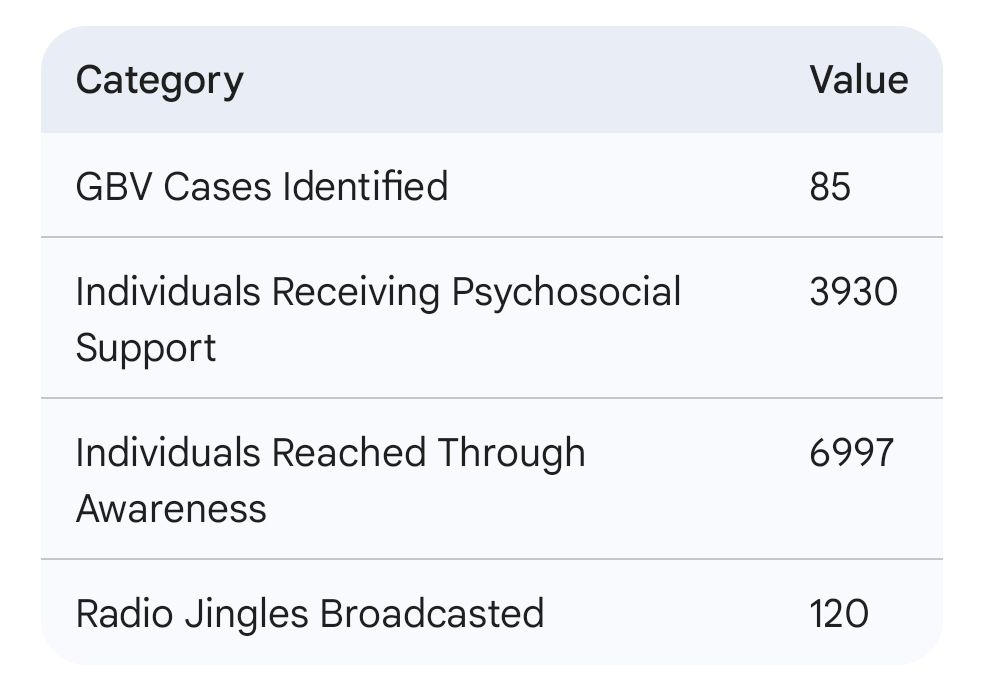
According to information obtained from its 2024 Annual Report, CATAI has in addition to educational advancements, made significant strides in addressing gender-based violence (GBV) and promoting community resilience through psychosocial support and awareness campaigns. The organization has reached over 6,997 individuals with critical messages on GBV prevention and has provided 3,930 people with GBV-sensitive psychosocial services, fostering healing and resilience among survivors. These efforts are complemented by the production and broadcast of 120 radio jingles, aimed at raising awareness of Explosive Ordnance Risk Education and GBV issues across diverse communities.
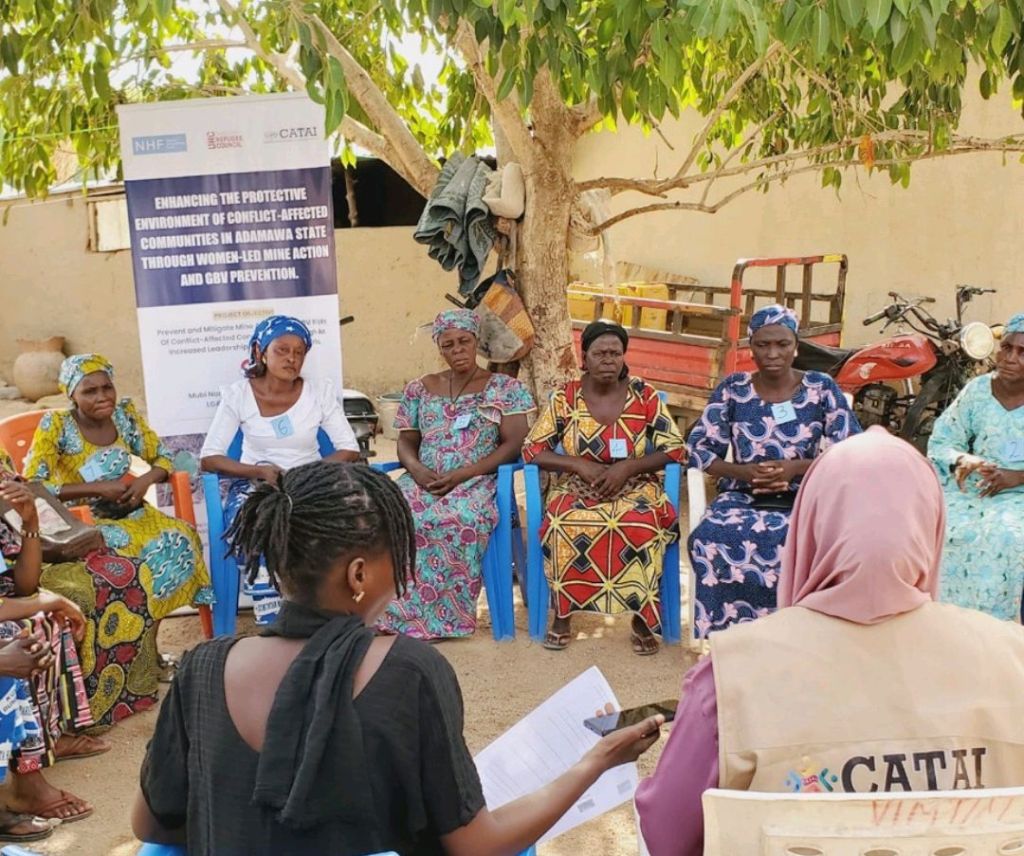
Moreover, CATAI said it’s commitment to integrating women’s participation in peacebuilding initiatives has led to the training of local stakeholders in Konduga and Bama LGA, enhancing their capacity to address conflict and promote inclusive governance.
With 44 episodes of empowering radio dramas aired and significant engagement with local partners, CATAI continues to pave the way for sustainable development and social change in the region, ensuring that marginalized voices are heard and supported.
Educational Interventions:
Enrollment in Formal Education: CATAI successfully enrolled 2,279 students (1,195 girls and 1,084 boys) into formal education systems.
Non-Formal Education Centers Established: 12 Non-Formal Education Centers were set up across Gwoza and Ngala LGAs, creating vital learning opportunities for 600 adolescent girls and young women.
Community Engagement:
Through strategic community engagement activities in 2024, CATAI reached over 63,000 individuals, enhancing parental responsibility for school attendance and organizing community escort systems for children’s safety.
Advocacy and Policy Development:
In partnership with the Malala Fund, CATAI initiated the “Educate the Girl-Child” project in Adamawa State, leading to the development of a comprehensive Adamawa State Education Policy aimed at improving access to safe, quality education, enhancing teaching quality, and upgrading infrastructure.
180 adolescent girls were enrolled in non-formal settings, and 120 caregivers were engaged in parenting sessions, fundamentally reshaping family dynamics to better support girls’ education.
Protection and Gender-Based Violence (GBV) Initiatives:
CATAI identified and referred 185 cases of individuals with urgent needs related to mine incidents or GBV, including 94 women, 50 girls, 17 men, and 24 boys.
A total of 3,930 individuals received GBV-sensitive psychosocial support services, helping survivors regain confidence and integrate into their communities.
Awareness Campaigns:
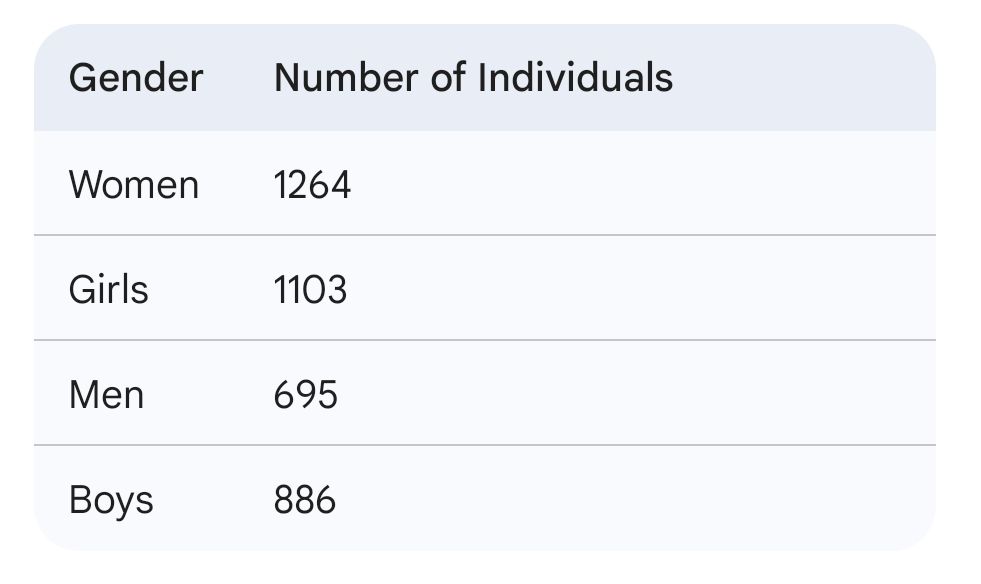
CATAI reached 6,997 individuals with key messages on GBV awareness and sensitization, comprising 1,545 women, 2,600 girls, 922 men, and 1,930 boys.
The production and broadcast of 120 radio jingles in local languages on NAS FM Mubi reached an estimated audience of 20,000 people, significantly raising awareness about Explosive Ordnance Risk Education (EORE) and GBV prevention.
Training and Capacity Building:
CATAI, in collaboration with ARDA, organized a four-day intensive training workshop on Social and Behavior Change Communication (SBCC), equipping participants with practical skills to drive positive social change.
The organization conducted training programs on entrepreneurial and business management skills, contributing to the economic empowerment of women and vulnerable populations.

As Abubakar Sadiq, the CEO of CATAI, stated, “Our data-driven approach allows us to measure the tangible impacts of our initiatives and adapt our strategies to better serve the communities we work in. Each milestone achieved is a testament to our commitment to empowering vulnerable populations and fostering sustainable development.”
 The Humanitarian Times