
By Abdulkareem Haruna
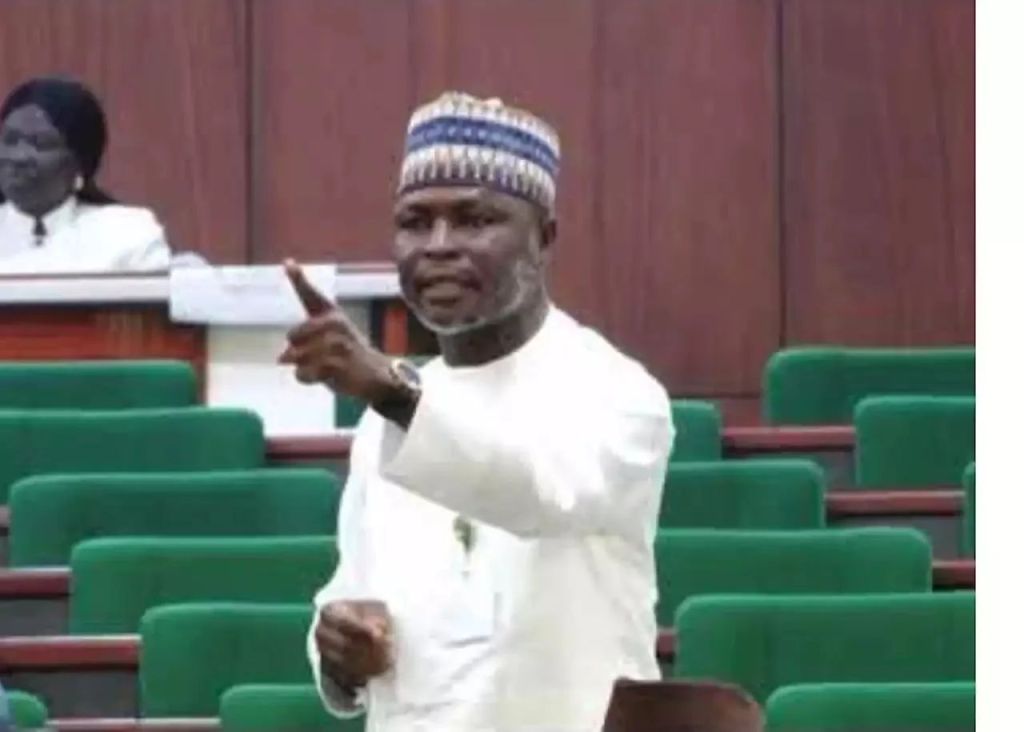
A recent statement by Representative Ahmed Jaha, representing the Chibok, Damboa, and Gwoza Federal Constituency, asserting that Boko Haram possesses greater sophistication than the Nigerian Army, has sparked significant concern and drawn sharp criticism from foremost counterinsurgency and security expert, Zagazola.
Zagazola is of the opinion that Such pronouncements, particularly from a member of the National Assembly, risk undermining the morale of the Armed Forces and misrepresenting the current security landscape in the Northeast.
It is a popular viewpoint that at a time when Nigerian soldiers are actively engaged in a complex and demanding fight against insurgency, it is incumbent upon elected officials to offer support and accurately portray the situation. Representative Jaha’s remarks, however, appear to amplify the threat posed by terrorists while potentially diminishing the hard-won progress and sacrifices of the military.
It is important to recall the stark realities of 2014, a period when Boko Haram held sway over numerous local government areas in Borno State, including Gwoza, which they declared their “caliphate.” During that time, communities endured widespread displacement, relentless attacks, and a pervasive sense of insecurity.
While challenges persist, the present situation differs significantly. Liberated local government areas have not fallen back under terrorist control. The Borno State government is actively facilitating the safe return and resettlement of over two million displaced individuals, investing heavily in rebuilding infrastructure and essential services. Recent incidents cited by the lawmaker appear to be isolated attacks on military targets, rather than the large-scale territorial seizures and mass displacement that characterized the peak of the insurgency. Even the unfortunate deaths of loggers occurred outside established safe zones designated by the military.
To suggest a return to the conditions of 2014 not only misrepresents the current environment but also potentially emboldens the insurgents and undermines public confidence in the security forces. The ongoing efforts of Operation Hadin Kai have yielded tangible results, including the neutralization of hundreds of terrorists and the recovery of substantial caches of weapons and ammunition. Furthermore, thousands of civilians have been rescued from terrorist enclaves, and significant operational activities have weakened enemy strongholds. The Nigerian Air Force continues to play a crucial role through intelligence gathering and precision strikes. Notably, a large number of insurgents and their families have surrendered, indicating a shift in the dynamics of the conflict.
Concerns around the security circle are that rather than making pronouncements that could be perceived as demoralizing, it would be more constructive for lawmakers to channel their efforts towards bolstering the military’s capabilities and welfare. Advocating for improved soldier welfare, increased recruitment, enhanced equipment, and greater funding for surveillance would represent tangible support for those on the front lines. Visiting the affected areas to gain firsthand understanding could also foster more informed contributions to the discourse on national security.
Zagazola emphasized that National security demands a unified approach, where all stakeholders – the military, the National Assembly, law enforcement, intelligence agencies, and local authorities – work in concert. The overstretching of the military, often deployed for internal security matters that could be handled by a better-equipped and resourced police force, underscores the need for a more harmonized security architecture.
The focus should be on empowering the military to concentrate on their primary mandate while strengthening civilian security institutions to manage internal threats effectively. Collaborative efforts, coupled with good governance at the local level, are essential for fostering lasting peace and stability.
What is needed now is not alarmism but a commitment to factual assessments and constructive action. The Nigerian Armed Forces are a vital pillar in the pursuit of peace and security in the region. Their ongoing sacrifices deserve recognition and unwavering support, not rhetoric that could inadvertently lend credence to the very adversaries they are fighting. Lawmakers have a responsibility to act as leaders, fostering unity and resolve in the face of security challenges. While the fight against insurgency is ongoing, it is crucial to acknowledge the progress made and to support the forces working tirelessly to secure the nation.
 The Humanitarian Times