By Abdulkareem Haruna
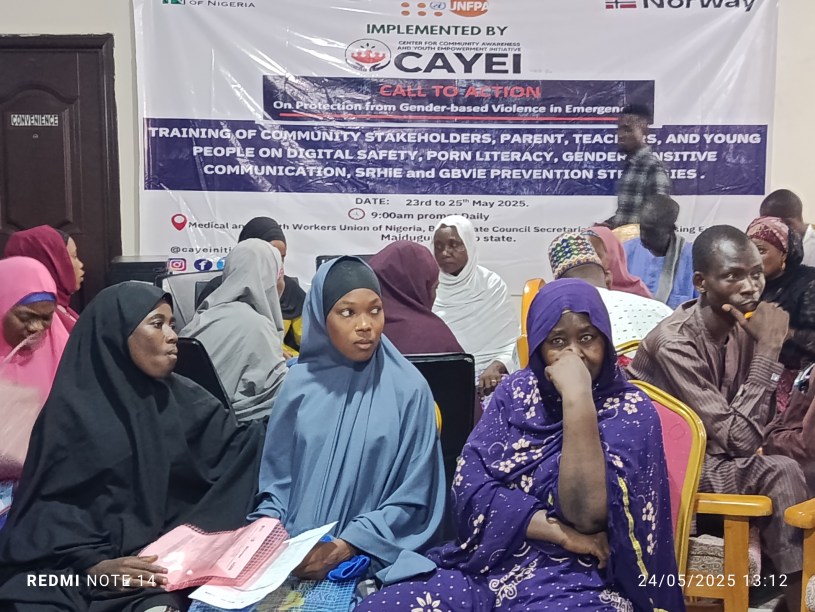
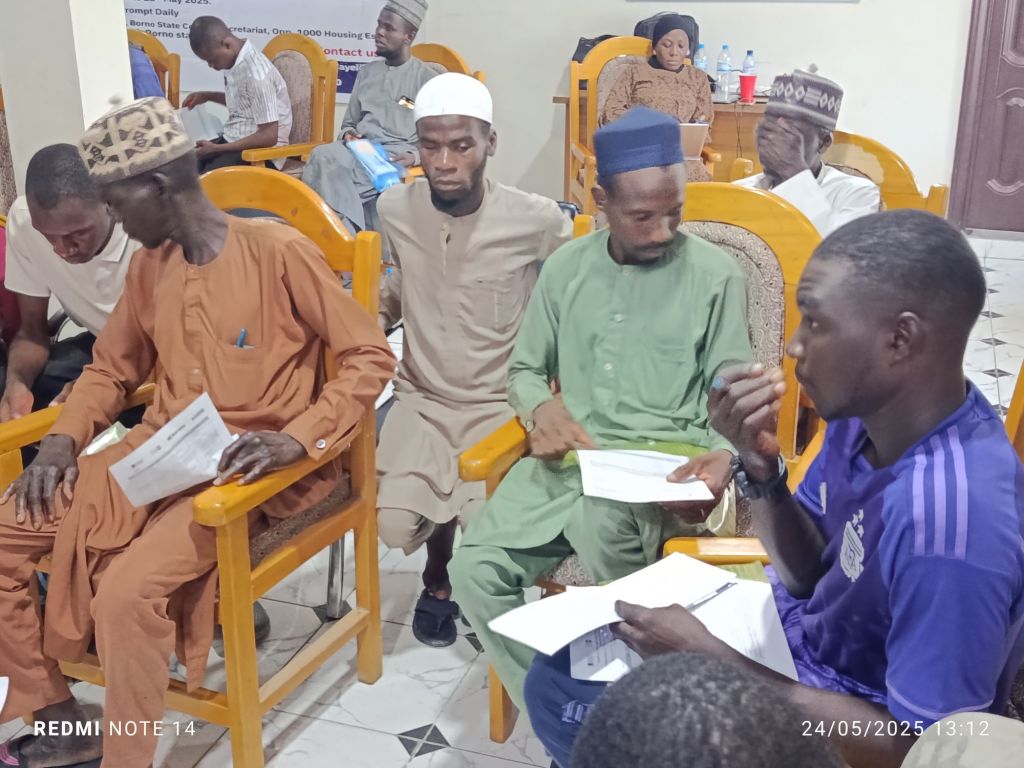
MAIDUGURI, Borno State, Nigeria – In a bid to safeguard its youth from online harassment and promote community well-being, the Center for Community Awareness for Youth Empowerment Initiative (CAYEI) has concluded a two-day intensive training program for community leaders, parents, teachers, and volunteers in Konduga Local Government Area.
The program, designed to tackle the escalating threats of digital exposure and gender-based violence, focused on crucial topics including digital safety, porn literacy, gender-sensitive communication, sexual reproductive health in emergencies, and GBV prevention strategies is inline with The House of Representatives’ recent call on the Nigeria Communications Commission (NCC) “to direct Internet Service Providers (SPs) operating in the country to take immediate steps to block all websites that host obscene and pornographic content.”
The initiative targets three key communities of Pompomari, Moromti, and Koffa in Konduga local government area, Borno State, aiming to raise awareness and empower residents.
According to Saadatu Sani Maigana, the Executive Director at CAYEI, a cornerstone of the project is a forthcoming radio program. “This project aims to raise awareness and empower community members. A key focus is a radio program that will engage individuals on the impact of digital tools, particularly on younger generations, especially adolescent girls and boys,” Ms Maigana stated.
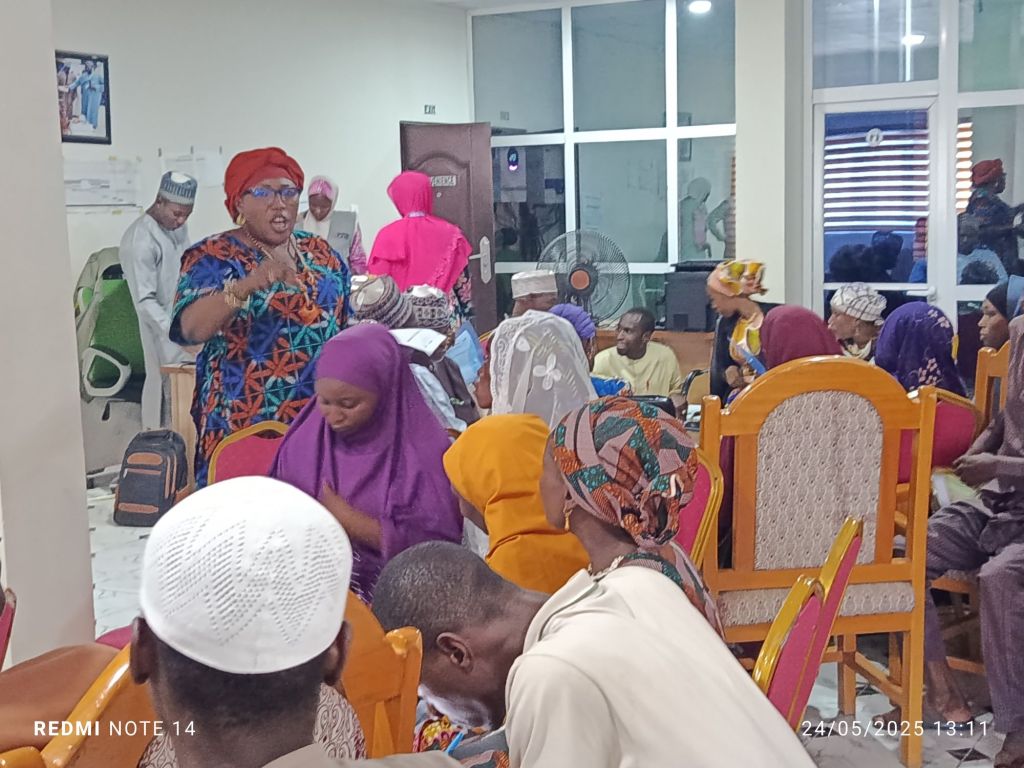
The training delved into critical issues affecting the communities, notably the insidious spread of negative digital content, the rising concern of adultery – a growing barrier to community well-being in Borno State, – and strategies for community empowerment. A significant component of the program focused on how digital tools can either support or hinder efforts to combat gender-based violence (GBV).
The Digital Threat to Youth
A key finding from the training highlighted the alarming prevalence of pornography among youth. Research indicated that “50% of adolescent boys actively seek and access pornography,” while “25% of women gain access to such content, often through others.”
This data underscores the higher propensity for young males to seek out and consume negative digital content, often through online channels. Discussions within the communities further exposed that local media vendors frequently distribute pornography, making it readily accessible.
In response, CAYEI is championing strategies to empower communities. These include engaging residents to deepen their understanding of negative digital content’s pervasive impact, developing frameworks to hold media vendors accountable, educating parents on effective digital content monitoring for their children, and fostering community collaboration to counter harmful technological influences. The overarching goal is to ensure the positive and safe use of technology within households.
Breaking the Silence on Gender-Based Violence
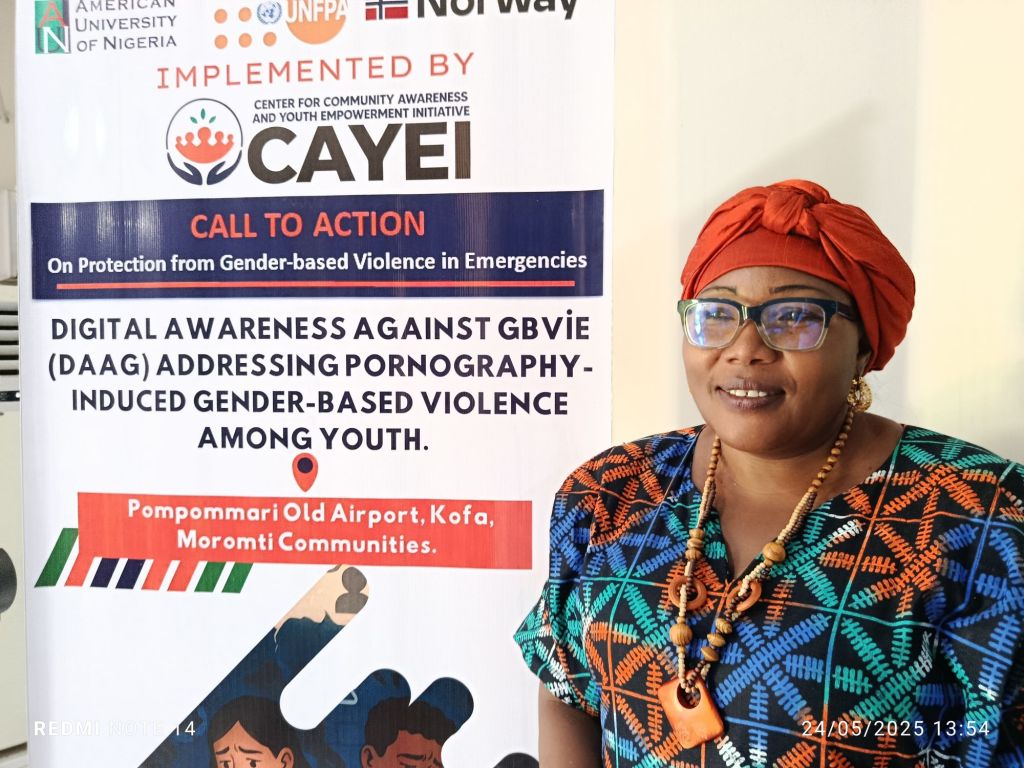
Mrs. Ann Darman, Executive Director BELA Community Development Initiative, a Maiduguri-based, Civil society organisation, and a lead facilitator for CAYEI, underscored the profound impact of GBV.
“My emphasis on GBV stems from its profound impact on communities and individual survivors,” Darma told reporters. She stressed the importance of understanding the fundamental distinctions between sex and gender, noting that societal perceptions heavily influence how GBV is addressed.
“We encourage individuals to become gender advocates in their communities, as this understanding is vital,” she added.
Darman emphasized the critical need for communities to be aware of existing protective laws, particularlyr4 the Violence Against Persons Prohibition (VAPP) Act.
”It’s critical that communities are aware of existing laws designed to protect them… The most crucial step is to report any incidents of GBV,” she asserted. She urged community members to “break the silence and not conceal information due to cultural or personal norms, ensuring justice for survivors.”
The training also highlighted the often-overlooked vulnerability of the boy child. “While much focus has been on protecting girls, and they are indeed highly vulnerable, our boys also need protection,” Darma stated. She pointed out that in the digital age, sexual violence is increasingly intertwined with technology, leading to “unthinkable acts.” Awareness campaigns, she noted, are vital to equip parents with the tools to monitor their children’s digital activities and find lasting solutions to GBV.
Challenges and the Path Forward
The project has already made significant inroads, sensitizing over 900 individuals across the three target communities, including both in-school and out-of-school children. Currently, 50 participants from Pompomari, Moromti, and Koffa are undergoing training, often accompanied by their community leaders, fostering broader engagement.
While acknowledging the increased awareness regarding GBV, particularly evidenced by traditional leaders now openly discussing previously taboo subjects, Darma highlighted a significant hurdle: the lack of resources for survivors to pursue their cases and obtain justice. To address this, she proposed two critical actions.
Dedicated Resources for Police Gender Desks
Darma advocated for allocating sufficient financial resources to police gender desks, enabling officers to facilitate medical examinations and follow-ups without relying on personal funds.
Budget Allocation for GBV in the Health Sector:
She called for a dedicated budget within the Ministry of Health for GBV-related issues, stressing that financial support for medical care is crucial for survivors’ recovery and can prevent fatalities.
“Without adequate resources, our efforts will be a vicious cycle, hindering effective intervention and justice,” Darma concluded, underscoring the need for a collaborative, well-resourced approach to address GBV.
Community Voices
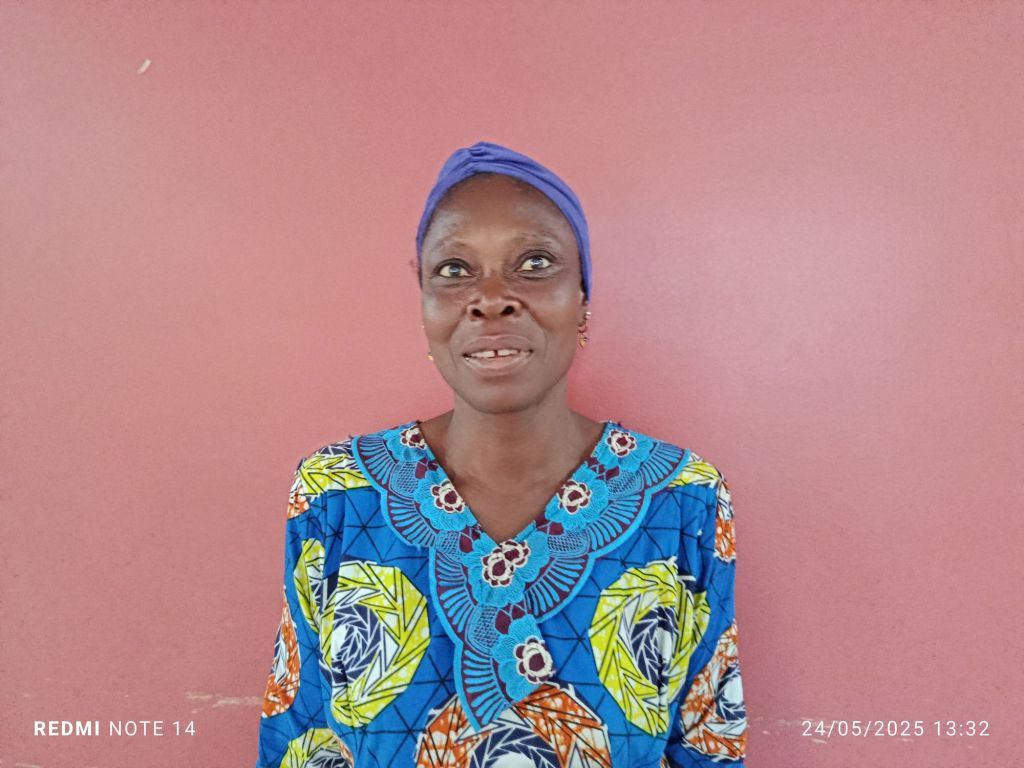
Participants lauded the initiative. Uzo Queen, a class teacher at Pimpomari Primary School, lamented the prevalence of sex and gender-based violence facilitated by mobile phones among young people. She urged parents to be more vigilant about their children’s friendships and called for a return to traditional community child-rearing where every adult shares responsibility for a child’s upbringing.
Mohammed Suleiman, a plumber from Ngomari Old Airport, commended CAYEI for the workshop, expressing optimism that it would significantly reduce rampant cases of rape and other immoral acts.
Bulama Wulo, a community leader, shared that the training had been particularly insightful, especially in teaching him how to identify and track sources of negative digital content, such as pornography, targeting young girls.
 The Humanitarian Times