By Abdulkareem Haruna
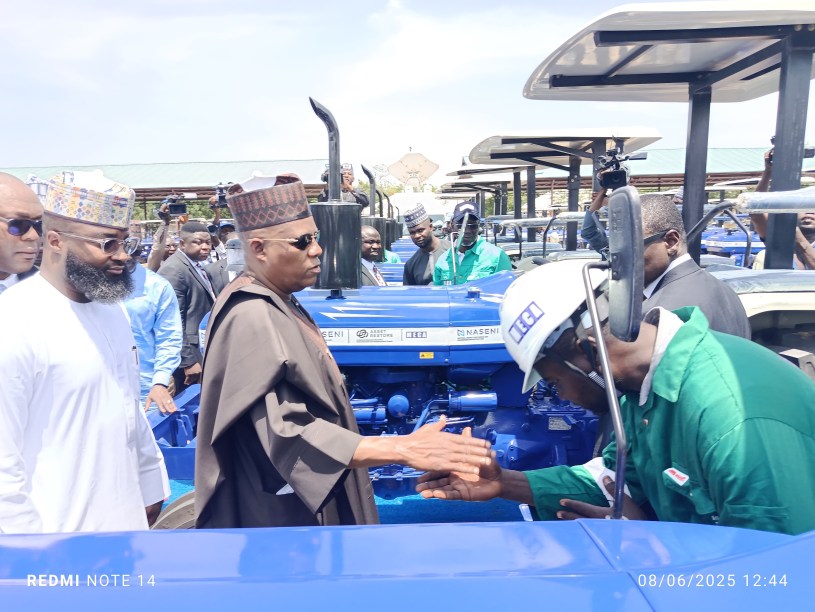
Nigeria today embarked on a sweeping national initiative to breathe new life into its vast network of neglected and underperforming public infrastructure and equipment, with the official launch of the National Asset Restoration Programme in Maiduguri, Borno State.
While holidaying and celebrating Eid in his ancestral hometown of Maiduguri, the Vice President of Nigeria, Senator Kashim Shettima, paused his festivities to inaugurate a strategic project. This initiative is designed to renovate critical public assets, ensuring their continued operation and delivering significant cost savings.
The ambitious program aims to rehabilitate, optimize, and return government-owned assets across various sectors to full working condition, signaling a significant shift from new acquisitions to the efficient utilization of existing resources.
Speaking at the launch, Senator Abubakar Kyari, Nigeria’s Minister of Agriculture and Food Security, hailed the program as “a defining moment in our effort to bring productivity back to the core of public service delivery.” He emphasized that the initiative is not merely about technical repairs but about “reviving hope, reducing waste, unlocking dormant capacity, and ensuring that our public investments truly serve the needs of our citizens.”
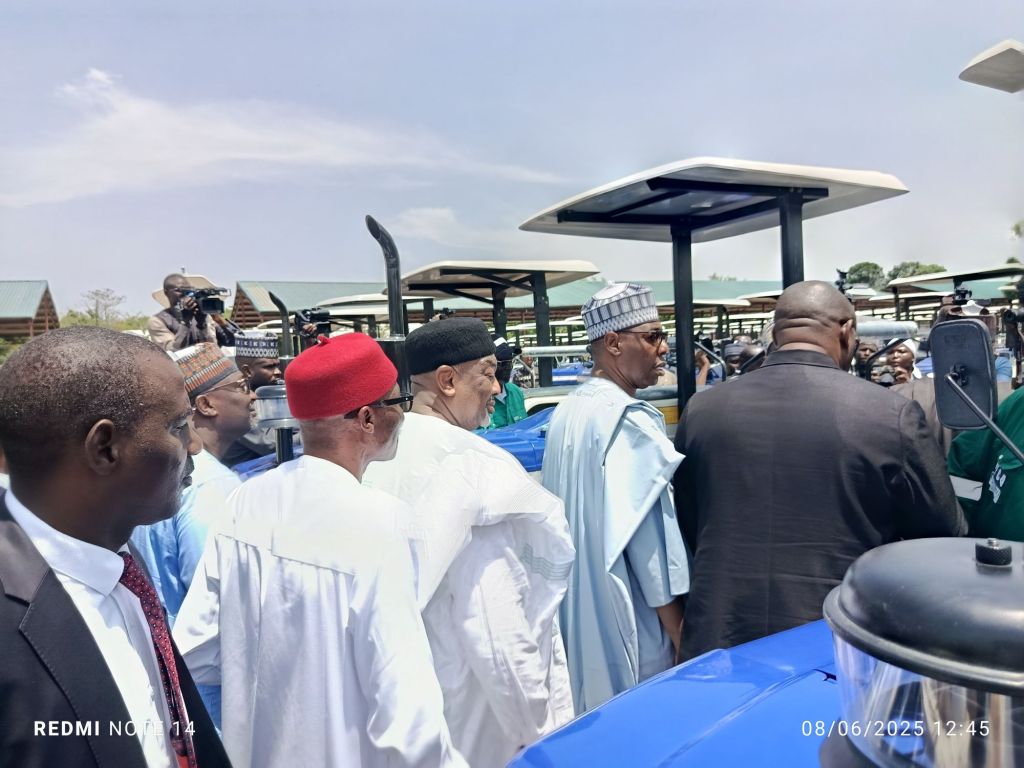
Kyari, a former Senator and one-time Chief of Staff to Vice President Shettima during his tenure as Borno State Governor, highlighted the dire state of critical assets. He cited that fewer than 10,000 of an estimated 55,000 tractors nationwide remain operational, a stark figure that, he noted, “underscores the underutilized assets [that] continue to cost us opportunities for growth.
“The National Asset Restoration Programme is a cross-cutting effort spearheaded by the National Agency for Science and Engineering Infrastructure (NASENI). Its strategic focus on restoration over replacement,” Kyari explained, “is in direct alignment with President Bola Ahmed Tinubu’s “Renewed Hope Agenda”
President Tinubu, who also serves as Chairman of NASENI’s Governing Board, has severally stressed that “real progress is not measured solely by new acquisitions, but by how effectively we renew and repurpose what we already own.“
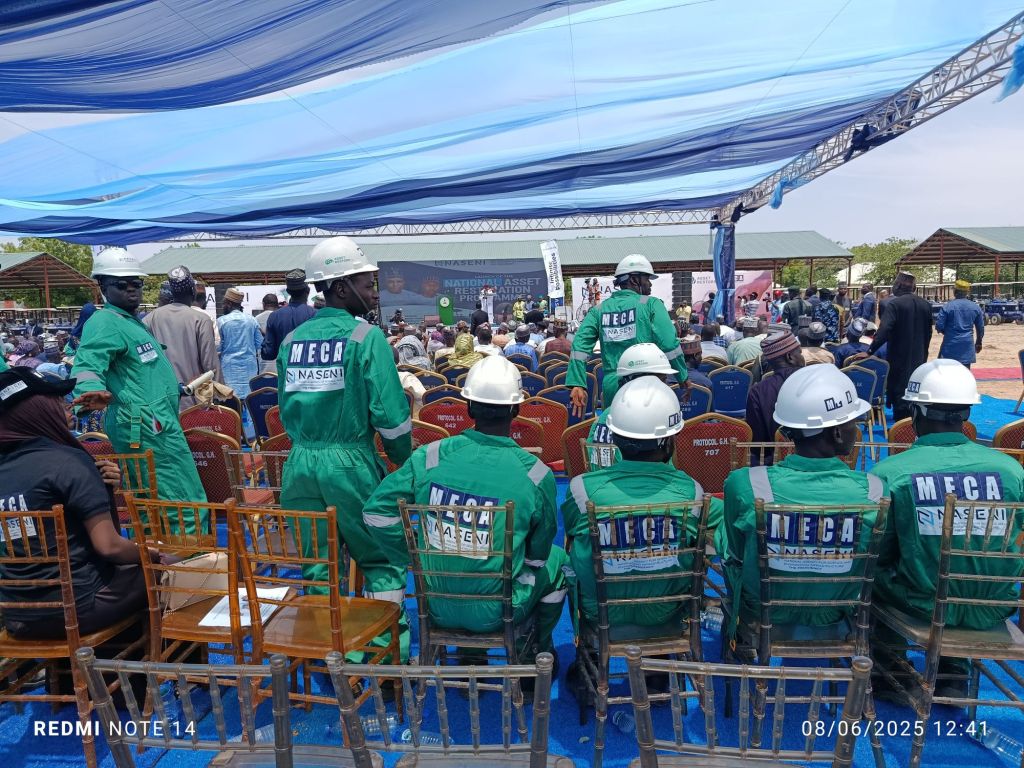
The minister credited Mr. Khalil Suleiman Halilu, NASENI’s Executive Vice Chairman and CEO, with repositioning the agency as a platform for indigenous innovation and strategic recovery. Halilu, described as a technology expert with entrepreneurial drive, has championed scalable engineering solutions and youth-focused technology transfer.
The choice of Borno State for the program’s launch was deliberate, according to Kyari, recognizing its profound symbolism of “resilience, potential, and the will to rebuild.” He underscored Borno’s agricultural significance, with over 1.6 million hectares of arable land, and its crucial role in regional food production and livestock trade.
The agric and food security minister lauded Borno State Governor Professor Babagana Umara Zulum for his “purposeful and visionary leadership,” citing remarkable achievements in agriculture, education, healthcare, housing, and security that have facilitated the return and rebuilding of displaced communities.
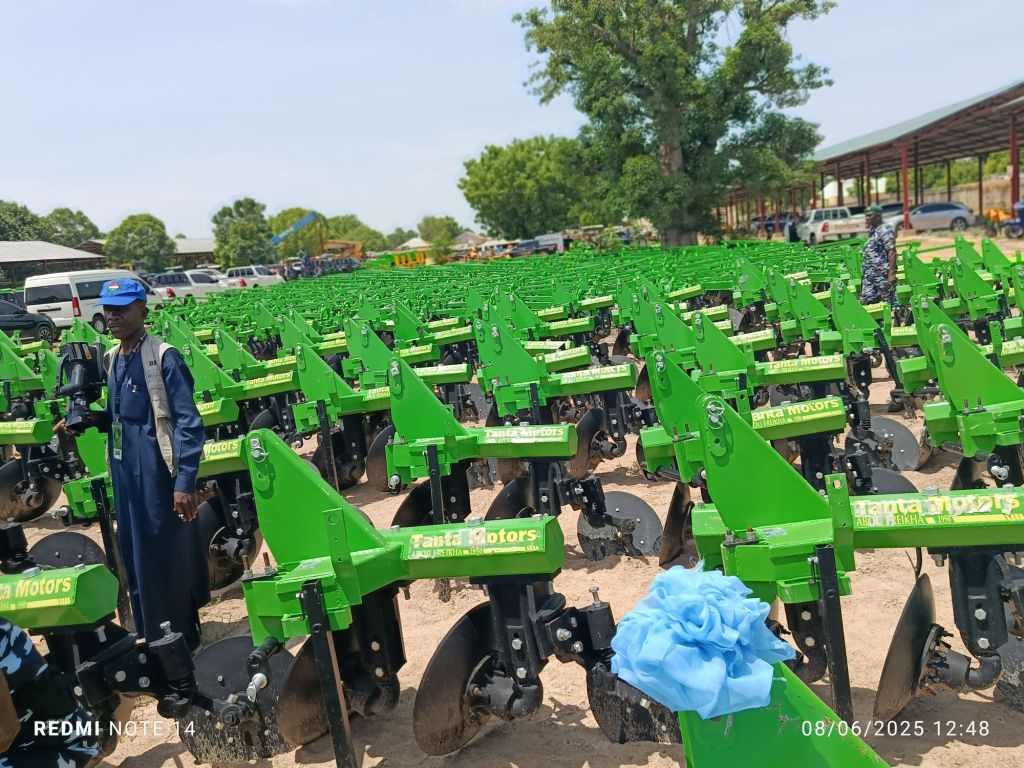
The minister paid tribute to the farmers of Borno, who have endured over a decade of hardship due to insurgency and displacement, yet “have never abandoned the land.” He stressed the national imperative of supporting these farmers with “tools, training, and systems that work,” asserting that “when you empower a farmer, you secure a family. When you protect a farm, you protect the future.”
The program’s launch was further dignified by the presence and guidance of Vice President Kashim Shettima, a son of Borno State. Kyari acknowledged Shettima’s foundational work in post-conflict reconstruction and agricultural resilience during his tenure as governor, noting that he is now guiding the national vision of rural revitalization and food security.
“The National Asset Restoration Programme is more than a technical initiative,” Kyari concluded. “It is a powerful symbol of the future we are determined to build. A future where we do not abandon what we have built, but breathe new life into it, for the people it was built to serve.” He urged Nigerians to view “every restored machine as a restored public good, every reactivated facility as a reclaimed national investment, and every empowered Nigerian, a steward of the new Nigeria we are committed to building.”
 The Humanitarian Times