By Abdulkareem Haruna
MAIDUGURI, Nigeria — The University of Maiduguri Teaching Hospital (UMTH) has successfully performed two kidney transplants from living donors, marking a significant medical achievement in Nigeria’s embattled northeast.
The breakthrough offers a renewed lease on life for patients like Yusuf Abdullahi, Fatima Ali Sheriff who had nearly succumbed to despair.
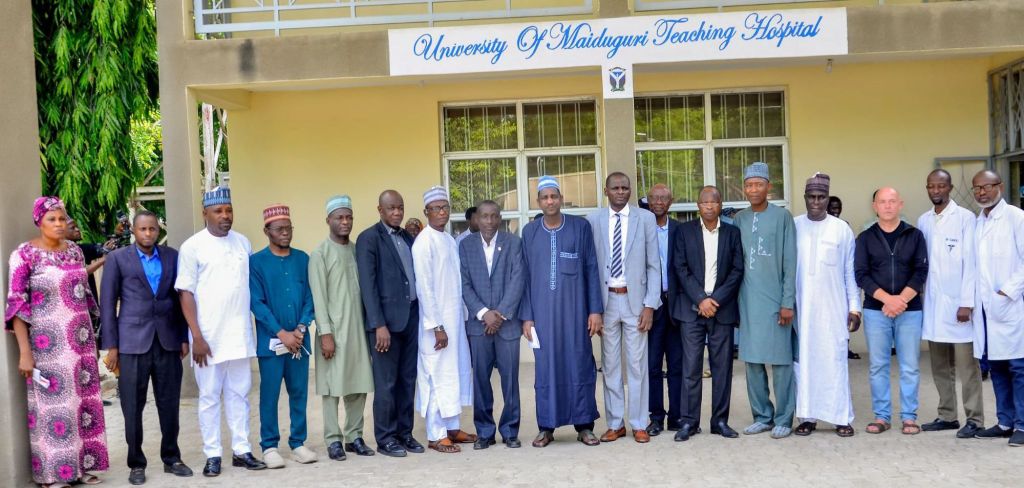
The announcement, made this week by Professor Ahmed Ahidjo, the Chief Medical Director of UMTH, signifies the hospital’s re-establishment as a leading center for renal care in West Africa, 15 years after its first successful kidney transplant in 2010.
For Abdullahi, a local businessman in his middle age who had been battling end-stage renal disease, the surgery has been transformative.
“I had almost given up,” Abdullahi recounted, his voice now clear and strong. “The pain was constant, the hope was fading. I thought my time was simply running out.”
Before the transplant, Abdullahi’s condition severely impacted his quality of life. “I could barely urinate. I was bloated three times fatter than how I look now; it was a constant struggle for me,” he explained, reflecting on the debilitating symptoms. Now, he describes a remarkable recovery. “I can urinate freely. I have regained my composure, my strength. It’s like being reborn.”
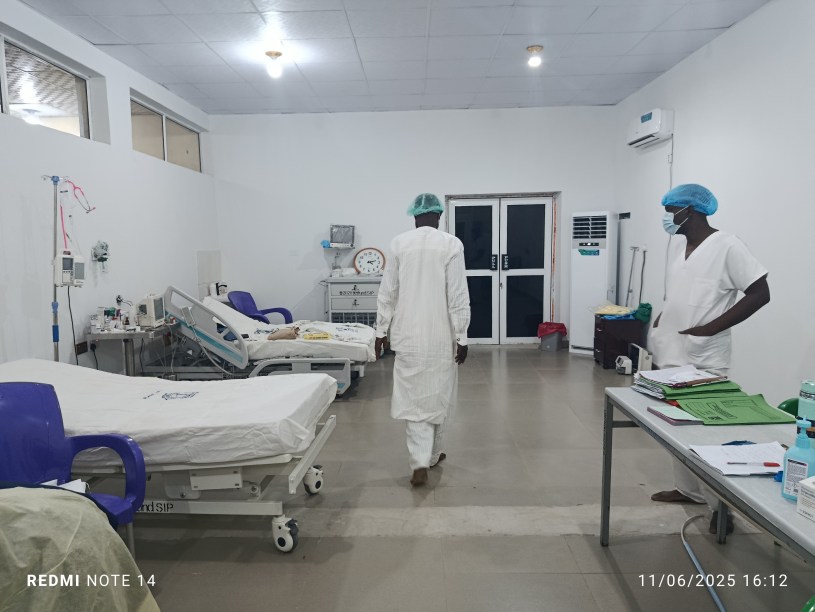
Professor Ahidjo highlighted the extensive efforts to advance UMTH’s renal care capabilities, including the development of Nigeria’s largest kidney facility, capable of accommodating 85 patients. The hospital now boasts four state-of-the-art kidney transplant operating theaters, meeting international standards.
“We are positioning UMTH to deliver the most affordable kidney transplants in West Africa,” Ahidjo stated. He said the cost of a kidney transplant at UMTH is approximately N13.5 million (around $9,000 USD), with a significant portion subsidized by the hospital and a N5 million donation from an anonymous benefactor.

He added that dialysis treatments at UMTH are also heavily subsidized, costing patients only N12,000 (less than $8 USD) per session, a substantial reduction compared to typical rates.
Ahidjo revealed that 20 additional patients are currently admitted and awaiting kidney transplant surgery, underscoring the critical demand for advanced renal care in the region. He appealed to philanthropists, non-governmental organizations, and the public for financial contributions to support indigent patients who cannot afford the procedure.
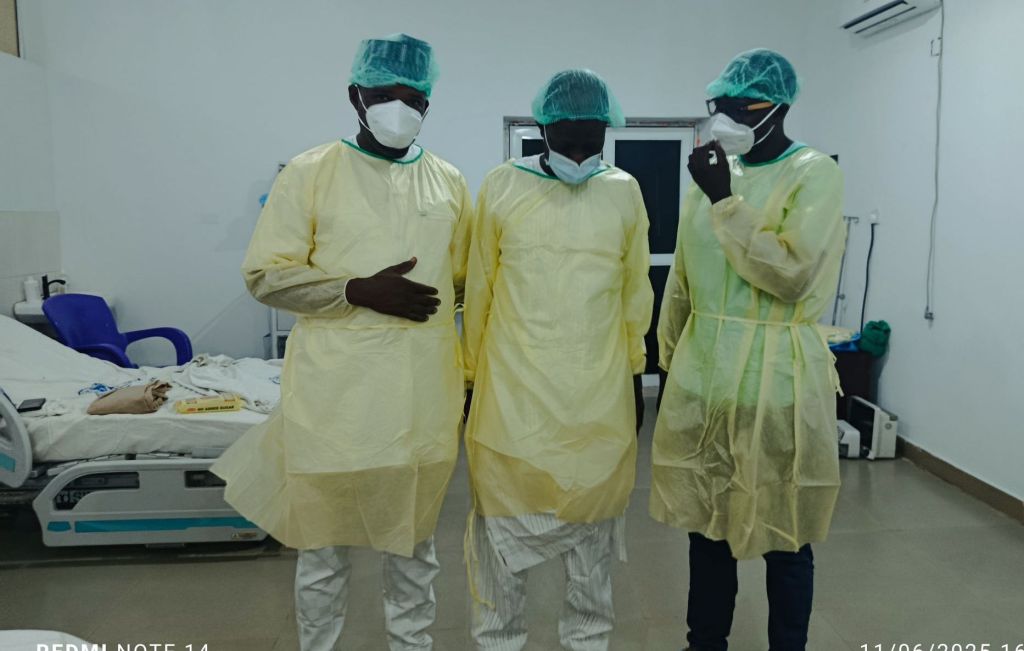
The medical team, led by prominent urologist Dr. Hassan Dogo, confirmed the successful outcomes of the transplants.
“The patients are in good condition after the transplant,” Dr. Dogo assured, adding that ongoing research at the hospital is exploring the causes of kidney-related diseases in the North-East, with early findings pointing to links with diabetes, hypertension, and dehydration.
For Yusuf Abdullahi and Fatima Ali Sheriff and their family, the successful transplant has ushered in an era of renewed hope.
“This is like being born again,” said Yusuf. “I recall in the past when I started going through the dialysis procedure, there used to be a very long queue; then after some weeks, the queues became shorter and I was like what’s happening and one of the nurses said many of them have died. My heart sank. I lost hope.” Yusuf’s teenage daughter donated a kidney to him; she was among his children who came forward as potential donors.
Fatima was equally happy to have regained her health after the successful surgery. She broke down in tears, finally able to express herself. “I thought my life was over,“ she said, “until I got the news that we had a matching donor and the surgery would be free.”
UMTH made its first successful kidney transplant attempt in 2010, with a patient receiving a kidney from his brother. While it marked a significant milestone for UMTH, the procedure was carried out in partnership with lead surgeons from the University of Ibadan.
The patient survived and lived for seven years, five months, and three weeks,” said Dr. Gadam, who participated in both the first and the recent successful kidney transplants, arguing it was still a success and the death could not be linked with any failure in the surgery.
The Humanitarian Times learned that in 2007, a team of doctors from the urology department traveled abroad for intensive training in renal care and surgery. Today, only a few remain at the hospital, as some have died and others have moved abroad for better opportunities.
 The Humanitarian Times