
By Abdulkareem Haruna
MAIDUGURI, Nigeria – Nigerian civil society organizations are advocating for the inclusion of diaspora voting in the nation’s electoral process, a move they believe will enhance democratic participation. However, they are simultaneously urging the Independent National Electoral Commission (INEC) to implement robust safeguards to prevent potential abuses.
The Network of Civil Society Organizations – Borno State (NECSOB), an umbrella body representing over 200 civil society and community-based organizations, submitted its position paper to the Constitutional Review Committee at a zonal public hearing in Maiduguri on Friday.
While expressing “total agreement” with the proposed bill to allow Nigerians abroad to vote, NECSOB cautioned the electoral body to “ensure that adequate measures are put in place to strengthen the existing electoral process and ensure that measures are adequately put in place [to] avoid the abuse of the process and jettisoning the electoral system.”
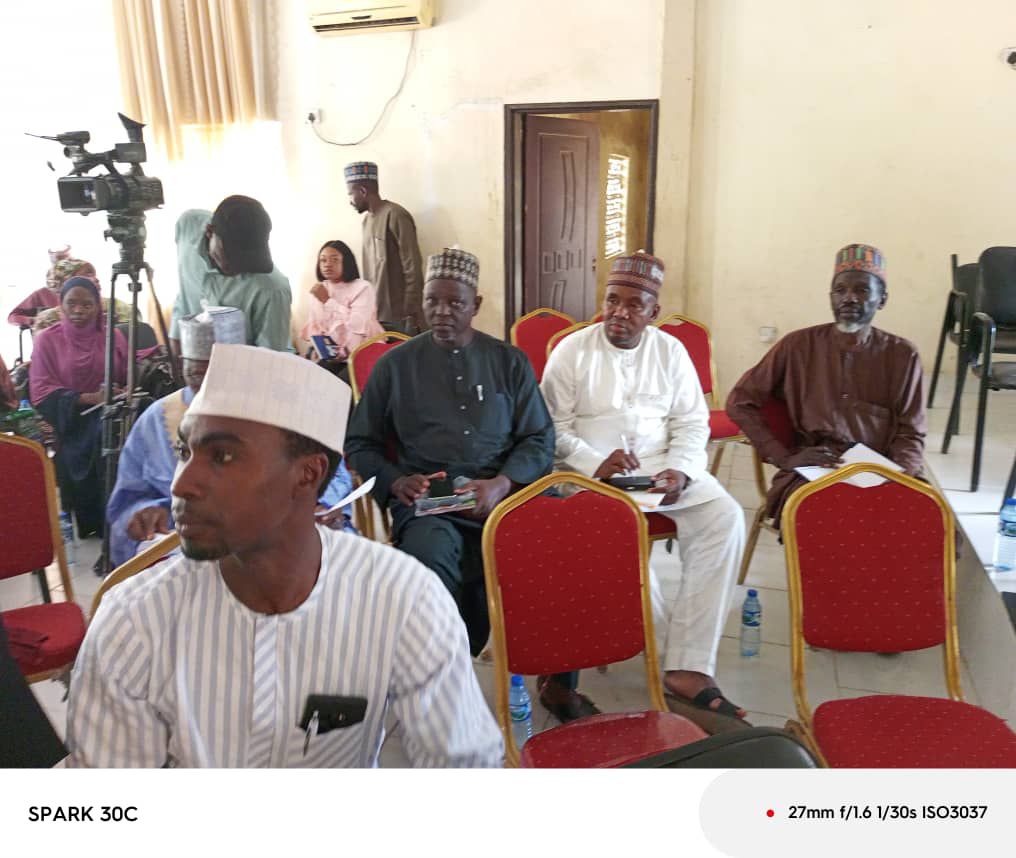
This nuanced stance reflects a broader sentiment among civil society groups, who acknowledge the democratic imperative of enfranchising citizens living outside the country while also being wary of the logistical and integrity challenges involved. The call for diaspora voting aligns with global trends where many nations allow their expatriates to participate in national elections.
In addition to diaspora voting, NECSOB also weighed in on several other critical constitutional amendments. The group supported birth-right citizenship for individuals of African descent born in Nigeria with Nigerian parents or grandparents, and citizenship by registration for foreign spouses of Nigerian women and men, though they emphasized the need for “proper registration documents and legal entry.”
On devolution of powers, NECSOB agreed to move shipping and navigation from the Exclusive Legislative List to the Concurrent Legislative List. However, they disagreed with moving labor, industrial relations, industrial disputes, and minimum wage to the Concurrent List, arguing that the minimum wage “should remain in the Exclusive List to avoid creating further disparity among workers across the States of the Federation.”
The organization also endorsed independent candidacy for all tiers of elections, proposing a lower threshold of 5% of registered voter endorsement, down from the proposed 20%.
 The Humanitarian Times