By Abdulkareem Haruna
MAIDUGURI, NIGERIA – With Maiduguri once again facing the threat of severe flooding, Borno State Governor Babagana Zulum announced on Saturday, August 2, the need for a critical review of the city’s town planning. The announcement follows a fresh bout of heavy rains that has left residents submerged, a painful reminder of the catastrophic flood ten months ago that killed more than 150 people and displaced over a million.
Three days earlier, precisely on Wednesday, July 30, The Humanitarian Times published a report which argued that Maiduguri’s urban layout was built on a “faulty water management foundation,” with inadequate drainage and construction on natural waterways. The publication’s analysis highlighted how the city’s infrastructure itself exacerbates flooding, a problem made worse by the September 2024 collapse of the nearby Alau Dam.
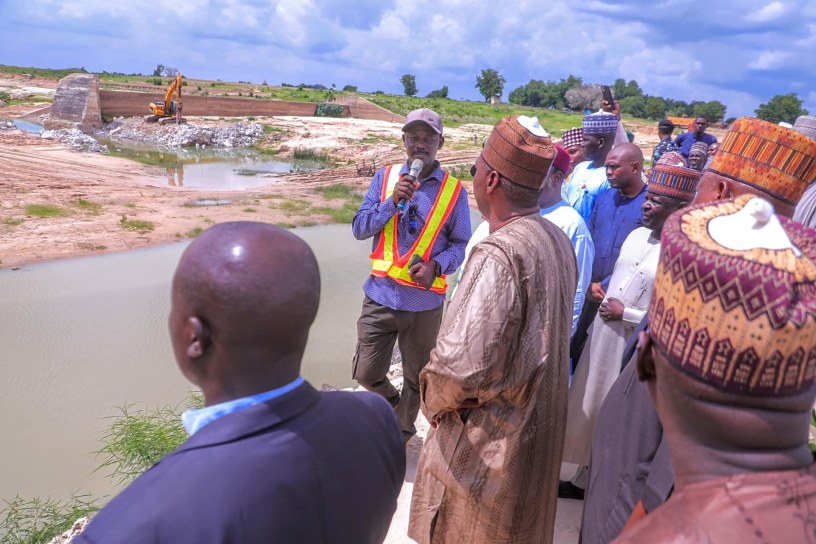
Speaking to journalists on Saturday during an inspection of the ongoing N80 billion rehabilitation work at the dam, which is being funded by the federal government, Governor Zulum said “We will soon review the town planning of the metropolis.” This statement signals a shift from short-term relief efforts to long-term preventative measures.
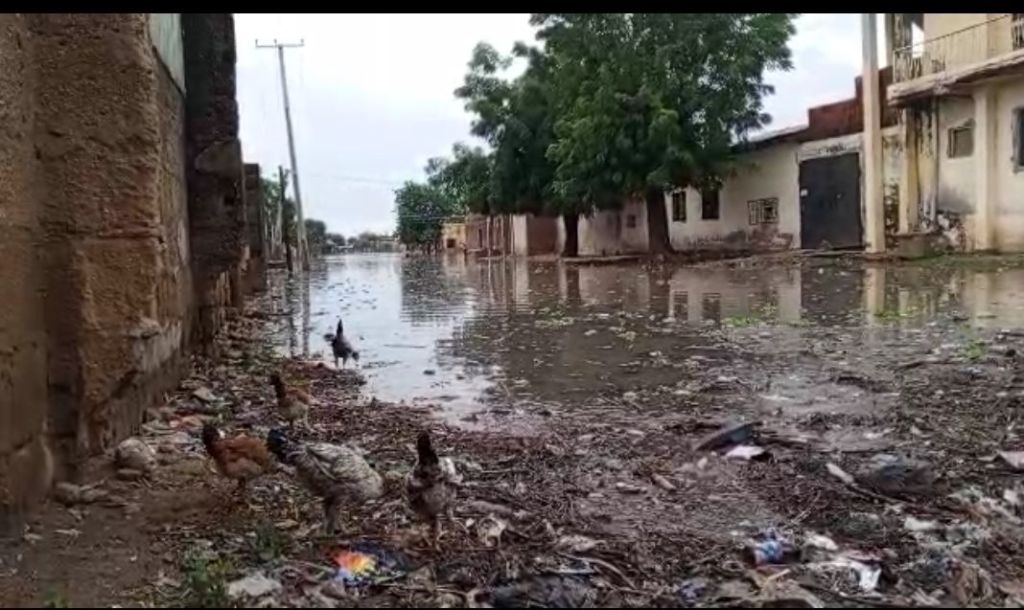
The urgency of the situation was underscored by the recent downpours, which again submerged significant parts of Maiduguri and led to the collapse of several buildings and some local graveyards. The governor’s visit to the dam was prompted by a report from contractors that the water level had risen to a dangerous level, posing a grave threat to the city.
“While I commend you on the work you are doing, I would advise that we be very careful,” Zulum reportedly told an official from the construction firm. “Let us try to be on the safer side, considering the current global warming.”
He specifically requested an extension to the dam’s structures to better contain excess water, a proactive step to prevent a future disaster. He also directed a joint team of state and federal engineers to “put heads together and come up with workable recommendations” to ensure the September 2024 tragedy is not repeated.
In a stern warning to residents, the governor expressed frustration over the common practice of building on waterways and dumping refuse in drainages. He stated that the state government would “henceforth, demolish any building erecting on the waterway,” a measure that, if enforced, would address a key urban planning failure identified in The Humanitarian Times article.
While acknowledging public concerns over the pace of the dam’s rehabilitation, Governor Zulum praised the contractors’ mobilization efforts and thanked President Bola Ahmed Tinubu for allocating the substantial funds for the project.
“It is better for us to safeguard, take early warning measures rather than remedial measures after the incident might have occurred,” Zulum said, summarizing the new approach.
 The Humanitarian Times