By Abdulkareem Haruna
In Borno State, where years of armed conflict have made access to basic healthcare a daily struggle, despite the relentless efforts of the government, the International Rescue Committee (IRC) has emerged as a critical provider for hundreds of thousands of people, filling a significant gap in essential services.
The organization’s health program, which began seven years ago in a handful of towns, has since scaled up to a massive operation, offering a wide range of medical services to communities displaced and scarred by a decade of violence.
During a media debrief, IRC Health Manager, Fatima Baba Isa, detailed the scale of their work, revealing the organization has provided consultations to 162,041 individuals in its facilities. “Our team is on the front lines every day, addressing the health crises that arise from displacement and conflict,” Isa stated. “We have worked to make our services as comprehensive as possible, from basic consultations to specialized care.”
A Broadening Medical Footprint
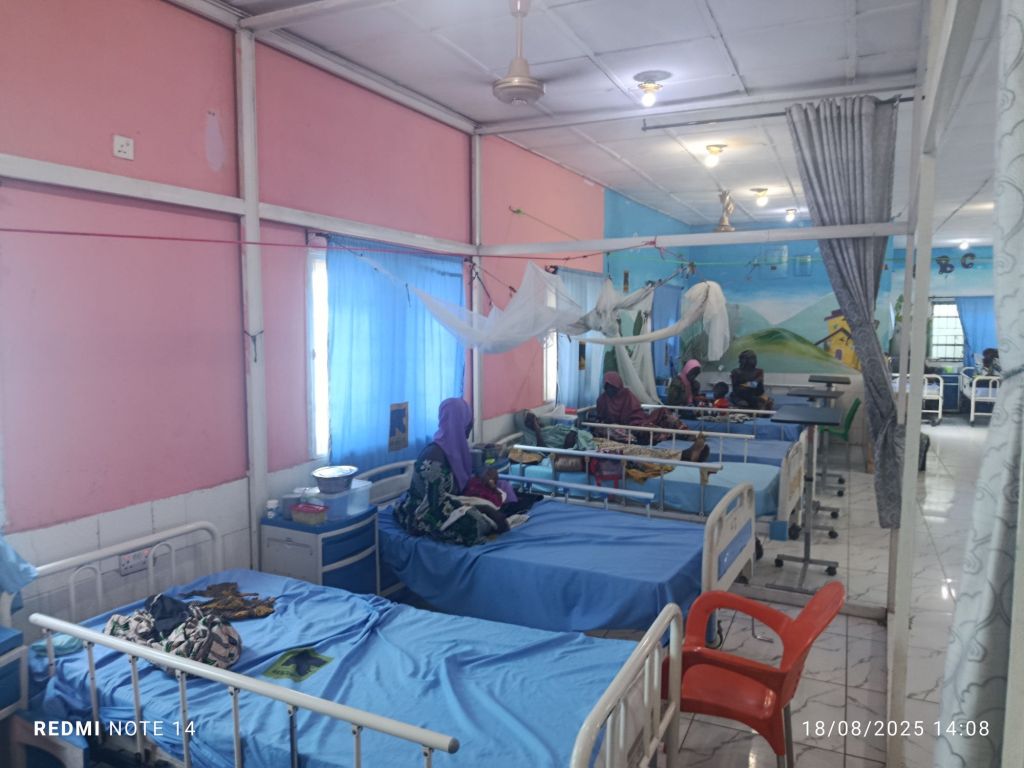
The IRC’s health initiative began modestly in 2016, targeting Maiduguri Metropolitan Council (MMC), Jere, and Monguno. It has since expanded to a total of 10 LGAs, a testament to the growing needs in the region. Although the focus has shifted, the organization maintains a robust presence in seven LGAs, supporting 35 health facilities. These facilities range from local Primary Health Centers (PHCs) to bespoke outreach clinics designed to reach the most remote communities.
In MMC and Jere, the IRC supports 10 sites, including four PHCs and six standalone clinics. In Monguno, a critical hub for displaced populations, they are active in eight sites. This expansive network is a strategic effort to decentralize healthcare and ensure it is accessible to those living in both urban centers and more isolated camps.
Integrated Healthcare and Measurable Impact
The IRC’s medical approach is holistic, integrating sexual and reproductive health (SRH) with primary healthcare (PHC) services to provide a seamless system of care. This includes managing both communicable and non-communicable diseases, a crucial task in environments where crowded living conditions can fuel outbreaks.
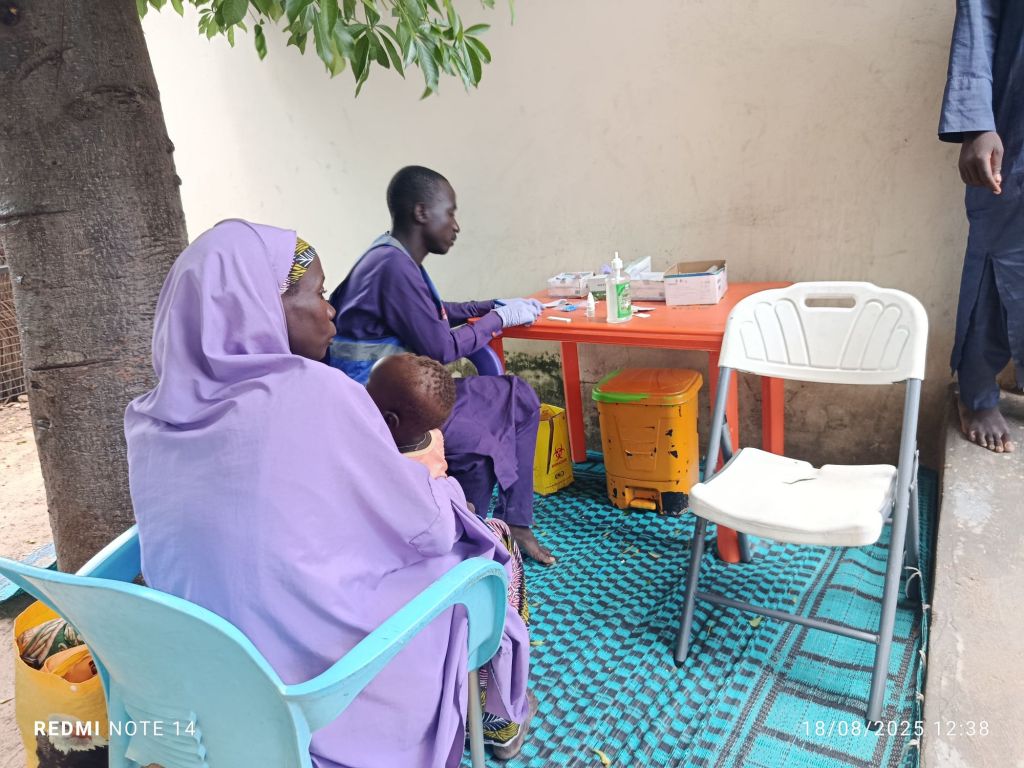
The numbers reveal the program’s success. The IRC has treated 151,254 clients for communicable diseases, with respiratory infections, diarrhea, and malaria being the most common ailments. They have also managed to provide care for 52,185 clients with non-communicable diseases. In response to an outbreak of Acute Watery Diarrhea, the organization established oral rehydration points that treated 1,873 cases in key locations.
The impact on maternal and child health is particularly significant. According to Isa, IRC has reached 53,752 clients with SRH services and attended 6,017 skilled births. The organization also provided care to 8,632 newborns within three days of delivery, a critical window for infant survival.
Beyond the Clinic: Mental Health and Training
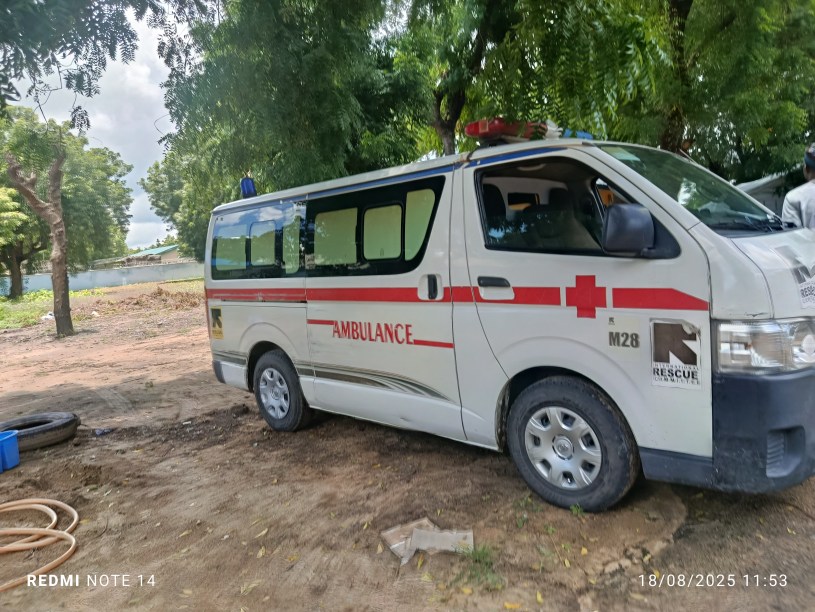
The psychological wounds of conflict are often as severe as the physical ones. The IRC has addressed this by providing Mental Health and Psychosocial Support (MHPSS), reaching 1,271 clients with these services. The organization also runs a vital referral system that has seen 322 complex cases sent to larger hospitals for advanced care. This service is a comprehensive support system that covers ambulance services, medical bills, and even meals for patients and caregivers.
To ensure the sustainability of its efforts, the IRC has heavily invested in local expertise. The organization has trained 1,541 health workers in a range of critical areas, from Emergency Preparedness and Response to the Clinical Management of Rape. This focus on capacity building aims to leave a lasting legacy of skilled healthcare professionals long after the crisis subsides.
 The Humanitarian Times