By Zainab Yetunde Adam
Malala Yousafzai, the Pakistani education advocate, once said: “One child, one teacher, one book, and one pen can change the world.”
This powerful statement goes beyond early childhood education, as many people assume. Learning is a continuous process, and education at every stage of life is a tool for personal growth and global transformation.
Malala’s assertion highlights the importance of quality education — one that produces well-grounded individuals and professionals who shape societies across the world.
Sadly, Nigeria’s education system remains abysmal, plagued by numerous challenges. From insecurity and abduction of pupils to poor infrastructure and incessant strikes caused by inadequate welfare for lecturers, the system struggles to live up to its mandate.
Yes, Nigeria has qualified lecturers, but poor remuneration often affects their service delivery. Many are forced to juggle jobs across universities, agencies, and organizations just to survive.
I recall one of my lecturers telling us during my undergraduate studies: “Gone are the days when food and social welfare were freely provided to students alongside quality education.” He spoke of meal tickets and serene lecture halls — a stark contrast to what many Nigerian public universities look like today.
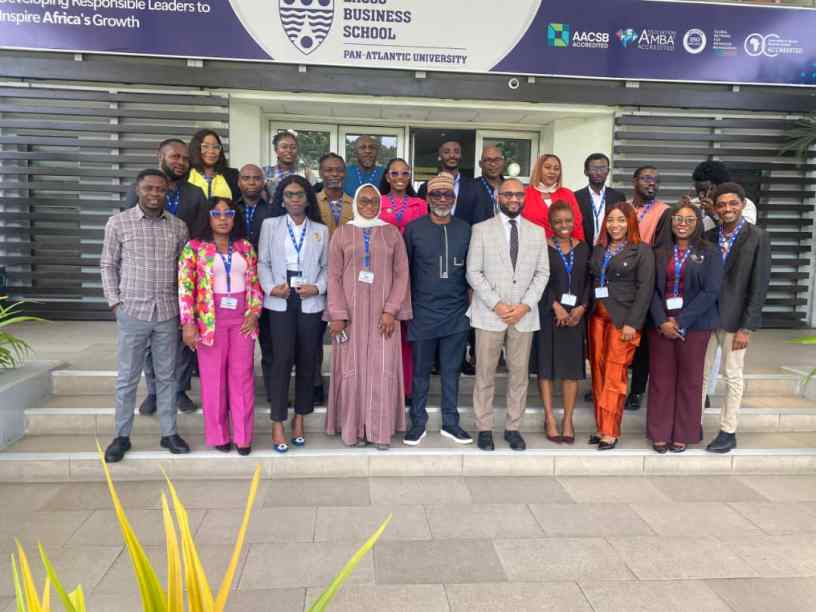
Having visited several public universities, I can boldly say the atmosphere at Pan-Atlantic University (PAU) in Lagos is strikingly different.
PAU operates at international standards in pedagogy. The institution does not merely teach; it nurtures and builds leaders prepared to transform Nigeria and contribute to global development.
How I got there — as the daughter of a “nobody” and the exact time, date, and year of that journey is a story I will someday share, because I want young people from North-East Nigeria to benefit as I did.
PAU has four faculties, each with programs that accommodate every learner, whether virtually or in person, and ensure competence is strengthened.
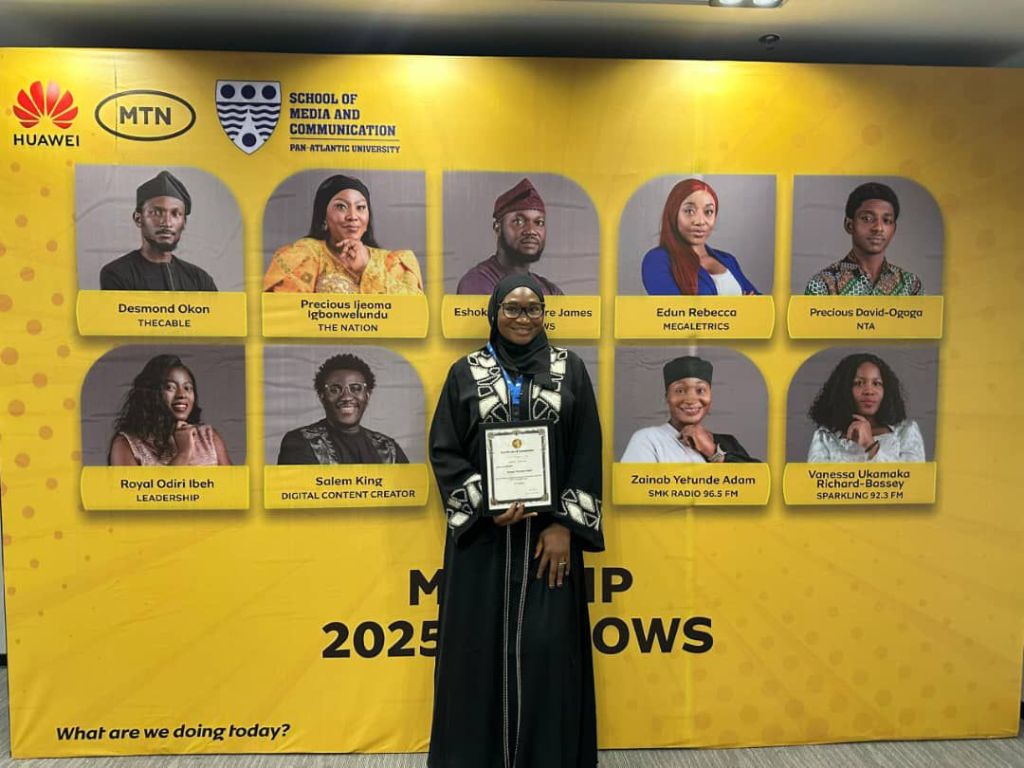
I was privileged to be among the 20 fellows selected for the MTN Media and Innovation Programme (MIP 4), fully sponsored by MTN Nigeria. Unlike many training or retraining workshops, MIP is an innovation-driven fellowship that equips the next generation of journalists to be entrepreneurial and development-focused.

At PAU, assessments are rigorous, designed to mould us into creators, not just consumers.
The university instills discipline in students, who are time-conscious, decently dressed, and required to wear their ID cards within campus—a practice rare in many Nigerian universities.
One feature that deeply touched me is “The Giving Wall.” This spot provides free meals and snacks for students who cannot afford them, facilitated through donations from fellow students and kind-hearted individuals or organizations.
Being a not-for-profit institution, PAU reinvests its proceeds into maintaining facilities, supporting staff welfare, and improving learning experiences. This is evident in its stable power supply, state-of-the-art library, e-learning facilities, cafeteria, modern restrooms, and eco-friendly green spaces for plastic collection and recycling.
Furthermore, in partnership with the Mastercard Foundation, PAU is offering scholarships to Internally Displaced Persons (IDPs), opening doors for students who once thought PAU was out of reach to join.
Through the MIP, MTN also connects Nigerians from different regions, fostering a deeper sense of unity in diversity. The program even includes international exposure, strengthening ties with other countries while shaping us for nation-building.
My first class at PAU truly redefined the meaning of unity in diversity — an environment that caters to everyone’s needs.
Dear Nigeria, if every institution were like PAU, fewer students would feel the need to seek education abroad. Imagine the huge costs of visas, accommodation, and tuition overseas when such world-class opportunities already exist here at home.
Nigeria must invest more in education if it wishes to meet global standards. PAU has shown what is possible: by producing industry experts, upskilling competencies, and setting a benchmark for others to follow
 The Humanitarian Times