By Abdulkareem Haruna
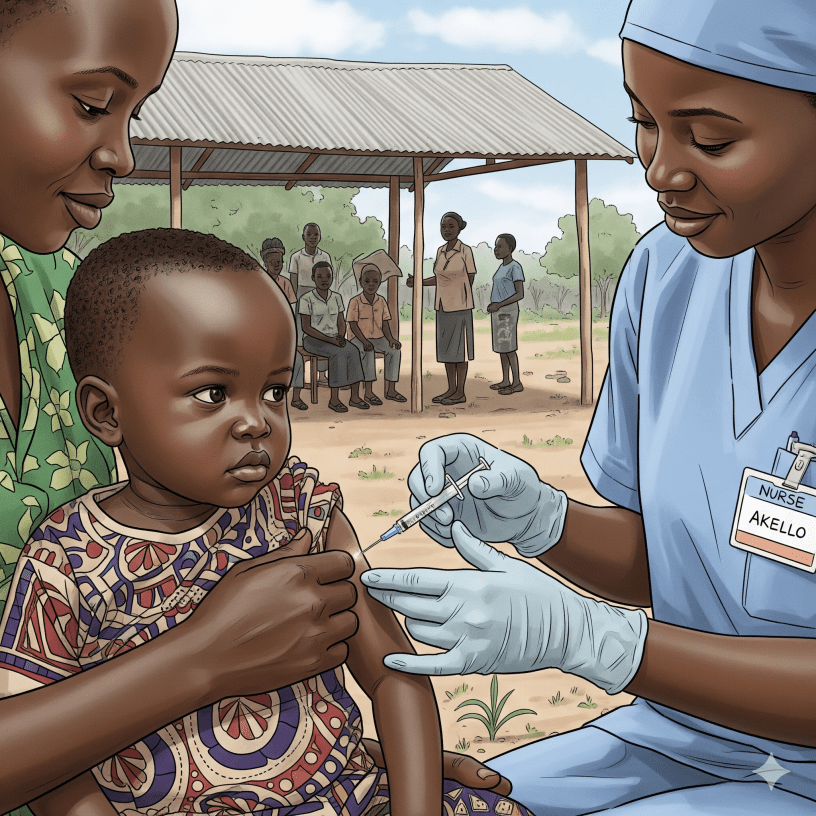
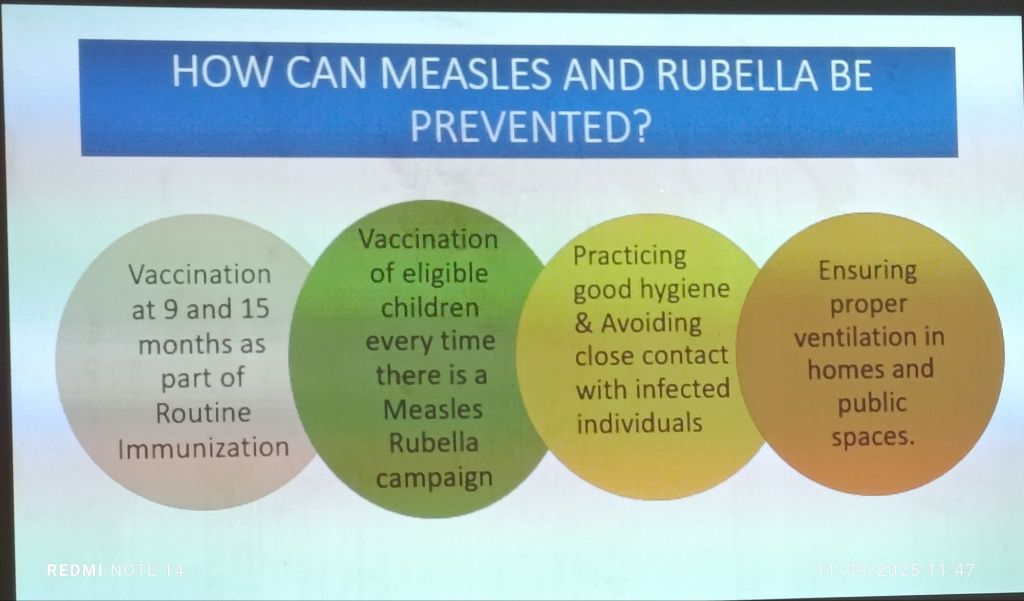
Borno State has launched a massive vaccination campaign against measles and rubella, two highly contagious diseases, aiming to immunize millions of children and curb Nigeria’s disproportionately high disease burden. The initiative, announced by health officials at a media orientation in Maiduguri, seeks to vaccinate children aged 9 months to under 15 years, a cohort crucial for achieving herd immunity.
The Borno State Primary Healthcare Development Agency (PHCDA) is leading the charge, with Executive Secretary, Dr. Suleiman Abdulahi, emphasizing the pivotal role of the media in the campaign’s success.
“The media remains a critical partner in our collective effort to protect children,” Abdulahi said. “Your platforms reach every household and community, making you key drivers of accurate information, public trust, and community mobilization.”
The campaign’s ambitious goal is to reduce measles and rubella incidence to less than 5 cases per million by 2026 and to just 1 case per million by 2030, in line with global elimination targets. Nigeria currently accounts for a significant portion of both measles and rubella cases in Africa.
The campaign’s urgency is underscored by the diseases’ severe health risks. Measles, a highly contagious viral illness, can lead to complications like pneumonia, encephalitis, and even death, especially in young children. Rubella, though typically a milder illness, poses a grave threat to pregnant women. Infection during pregnancy can cause Congenital Rubella Syndrome (CRS), leading to severe birth defects in newborns.
According to Dr. Fatima Hassan, Director of Disease Control at the PHCDA, rubella’s impact in Nigeria is often under-reported due to limited surveillance. “As of 2024, an estimated 100,000 babies were born with CRS each year globally,” Dr. Hassan said. “The high susceptibility among Nigerian women of childbearing age contributes significantly to our national CRS burden.”
The introduction of the combined measles-rubella (MR) vaccine is a strategic move to close immunity gaps. Unlike the measles-only vaccine, the MR vaccine offers broader protection and a higher seroconversion rate—over 90% compared to 85%.
The campaign will target 10 high-risk local government areas in Borno State, including Abadam, Maiduguri, and Damboa. Health officials are calling on parents and caregivers in these areas to bring their children for vaccination. The PHCDA is also strengthening its routine immunization system, with the campaign serving as a key opportunity to improve performance and address issues of vaccine inequity.
Media outlets are being urged to integrate campaign messaging into their programs and to produce human-interest stories to highlight the importance of vaccination. “Together, we can counter misinformation, address vaccine hesitancy, and ensure that every eligible child is reached,” Dr. Abdulahi urged.
 The Humanitarian Times