By Abdulkareem Haruna
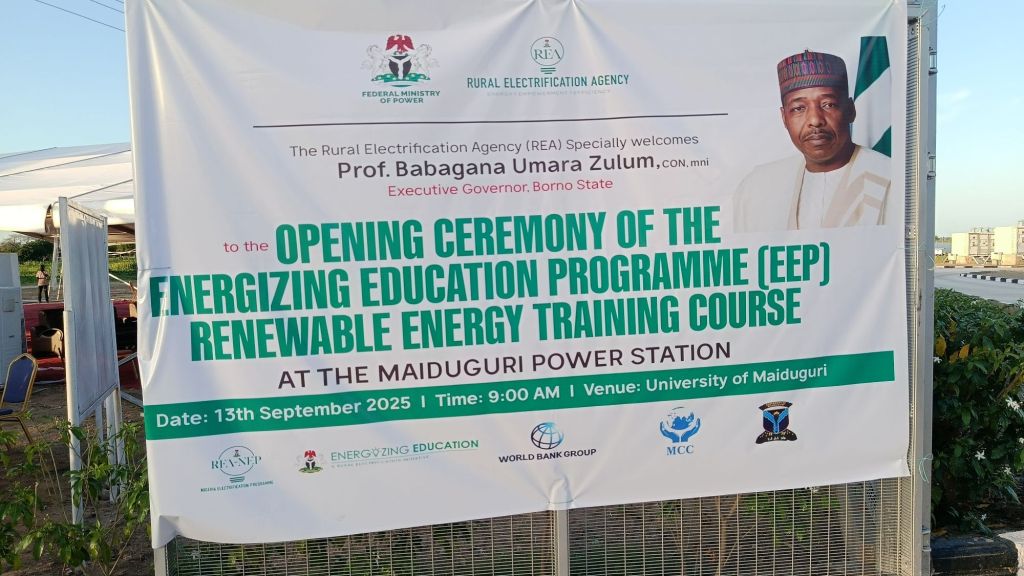
MAIDUGURI—The Federal Government has reaffirmed its commitment to providing reliable electricity to rural communities, as the Rural Electrification Agency (REA) commences the training of 1,500 young Nigerians on renewable energy technologies.
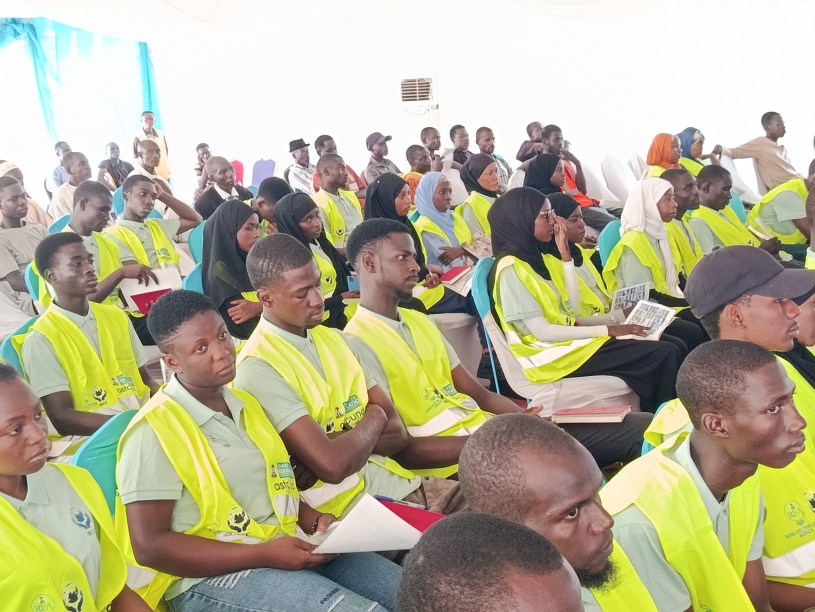
The initiative, part of the Energising Education Programme, aims to expand access to electricity, create jobs, and drive economic growth. The first batch of 100 students from the University of Maiduguri are the pioneer beneficiaries.
Managing Director of the REA, Abba Abubakar Aliyu, disclosed this over the weekend in Maiduguri, stating that the programme aligns with President Bola Tinubu’s Renewed Hope Agenda to improve livelihoods and reduce reliance on fossil fuels in unserved and underserved communities.
“This requires more than infrastructure deployment,” Aliyu said. “It calls for a new generation of young Nigerians who are technically trained in the operation, maintenance, and financing of renewable energy projects.”
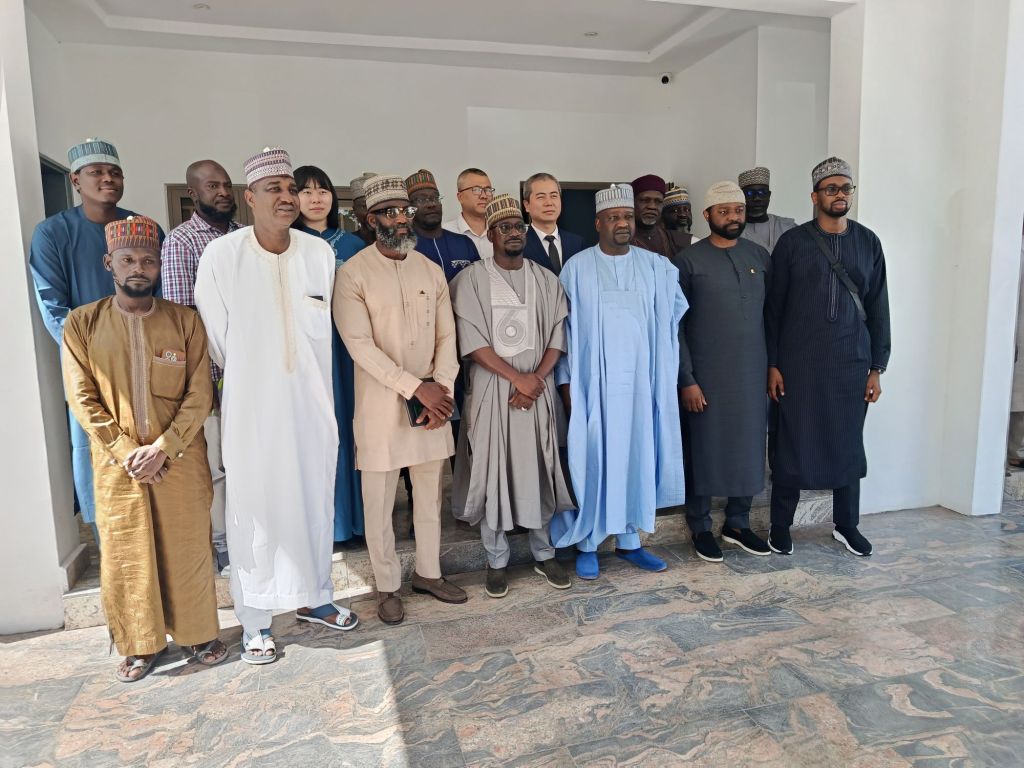
Aliyu, who paid a courtesy call on Borno State Governor Professor Babagana Zulum, noted that the state was chosen as the starting point due to its existing solar panel assembly plants, which support the government’s push for local manufacturing of renewable components.
He announced that participants are being trained with facilities already deployed by the agency across the country, providing them with practical, hands-on experience. He also revealed that the maiden National Renewable Energy Forum will be held in Abuja on September 14 and 15, with all states expected to attend.
A Renewed Focus on Local Skills and Investment
According to the Head of the Nigeria Electrification Programme (NEP), Oluyemi Akinyulere, 15 universities will participate in the first phase, each training about 100 students at “world-class centres,” with more institutions to be included later.
The REA Managing Director highlighted a significant increase in federal investment in renewable energy, with a $750 million investment expected to catalyse up to $1.1 billion. The agency plans to deploy over 1,000 solar projects across the country, making it the largest deployer of renewable energy in public institutions.
“We are dedicated to ensuring that every state where we deploy this infrastructure has the skilled local manpower to service and manage it effectively,” Aliyu added.
He urged the Borno State government to partner with the University of Maiduguri to train students in the maintenance of electric vehicles, noting that the state is already investing heavily in such vehicles.
Trainees Express Excitement
Dr. Usman Umar Kadafur, the Deputy Governor, who received the REA team on behalf of the governor, commended the President’s efforts. He noted that the training provides an excellent opportunity for Borno to engage its youth, particularly given the frequent damage to existing power infrastructure by Boko Haram insurgents.
Kadafur confirmed that the state would explore a partnership with the university and plans to participate in the upcoming forum in Abuja.
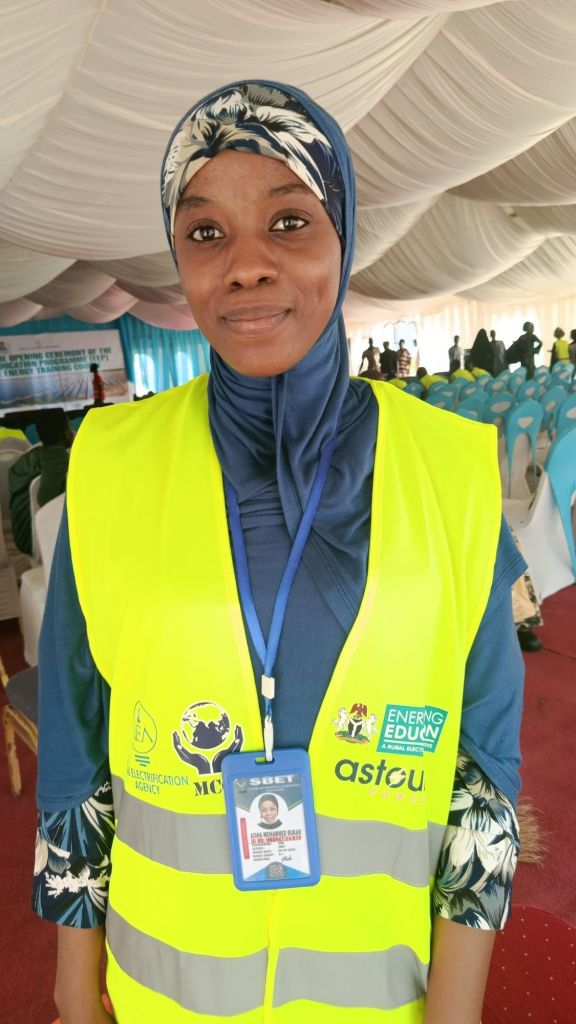
Amina Yusuf, a final-year engineering student and one of the trainees, described the programme as ”a rare opportunity for young people to gain practical knowledge that can help us build careers and even start our own renewable energy businesses.”
Another beneficiary, Aisha Mohammed Bukar from the School of Biomedical Engineering at UMTH, expressed her delight at being selected, while Sadiq Abubakar Abdulrahm, a student of Veterinary Medicine, noted the university’s decision to include students from various scientific fields to provide a broader learning opportunity in the expanding field of renewable energy.
 The Humanitarian Times