By Abdulkareem Haruna
Abuja, Nigeria — Dr Salma Annas Ibrahim, the Adviser to the President on Health, delivered a powerful message of self-empowerment and political solidarity to women from Borno State, acknowledging their systemic sidelining despite proven capacity.
Speaking at the Gender Responsive Advocacy Workshop in Abuja, Dr Ibrahim urged women not only to challenge the “overbearing disposition of men in politics” but also to address their own internal barriers to success.
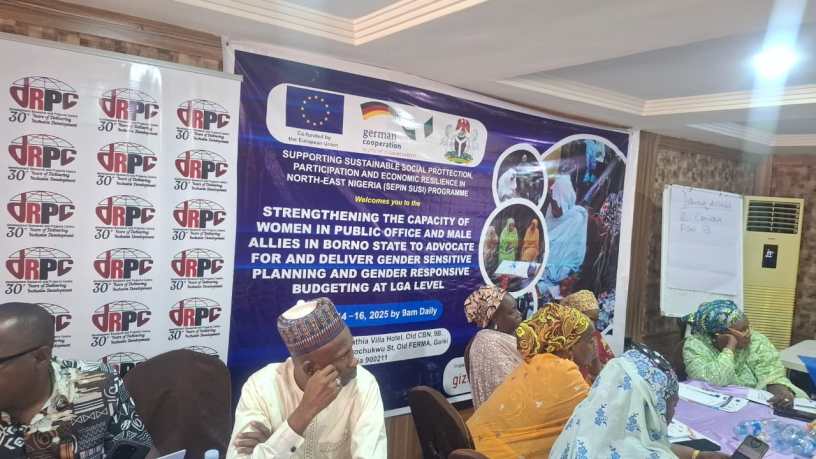
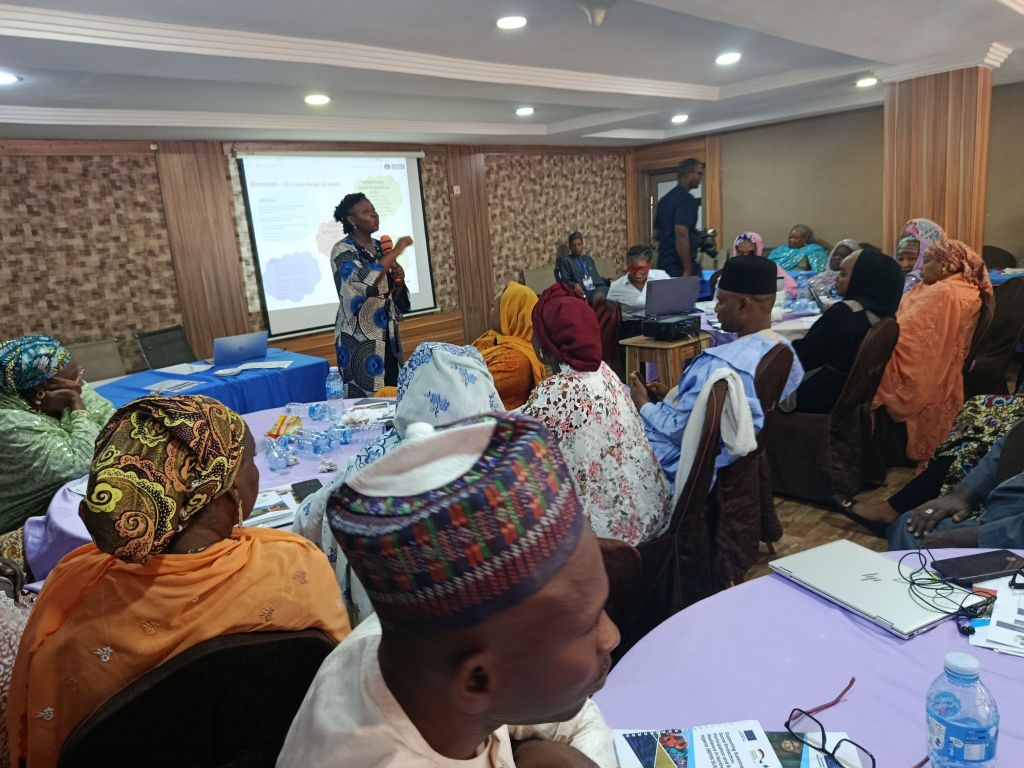
The workshop, organised by the GIZ and co-funded by the EU, held at the Corinthia Villa Hotel, was organized under the ‘Support Sustainable Social Protection, Participation and Economic Resilience in Northeast Nigeria (SEPIN SUSI) Programme.’ It convened approximately 50 participants, including women in politics, government workers, the civil society and members of the media, to strengthen their capacity for political engagement and gender-responsive governance.
Dr Ibrahim , a prominent voice in the current administration, highlighted the particular challenges facing women in Borno State. She stated that despite their ability to deliver on assigned tasks, women are consistently “relegated to the background” and frequently ”denied the chances deserved during the election even after winning election.” This stark observation underscored the ongoing struggle for political recognition and fair play in the region.
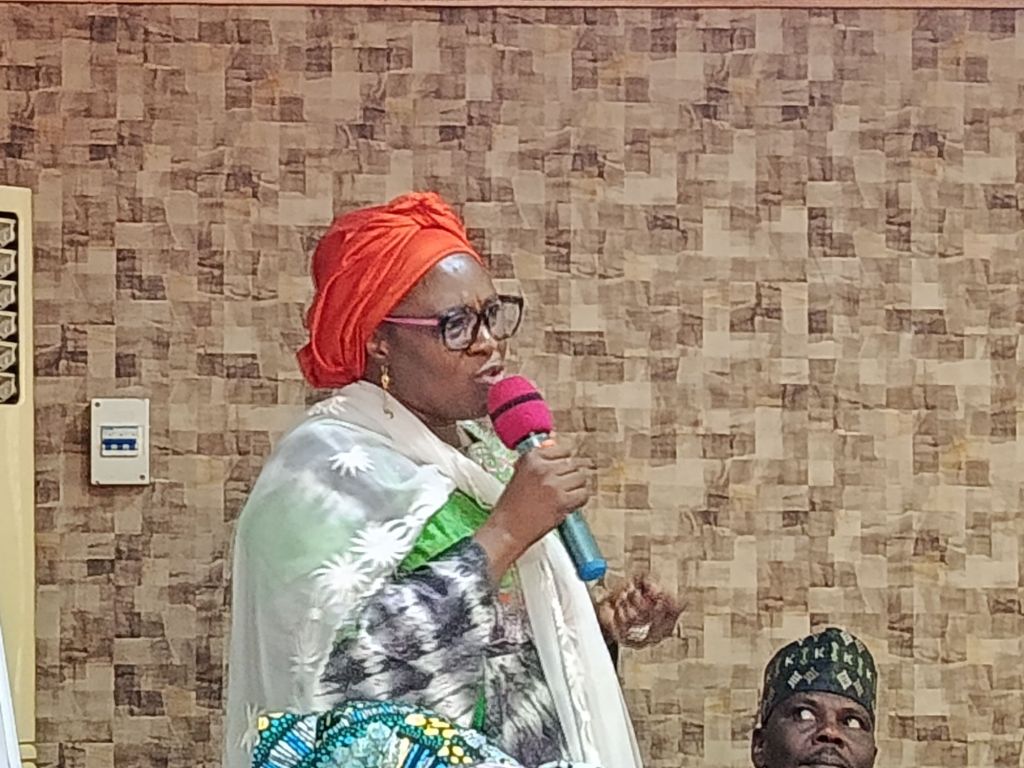
However, Ibrahim emphasized that the onus is not solely on men to change. She acknowledged that women, too, have “shortcomings and problems which they must work to improve.” Her critique was a call to action, focusing on internal development as a prerequisite for external change.
The core of Ibrahim ‘s address focused on practical steps for women’s political advancement. She declared, “We must break the barriers of lack of confidence in ourselves; We must present ourselves as the best; we must advocate for self development.”
Ibrahim stressed the immense political leverage women possess in Nigeria, noting, “Women constitute 80 percent of votes in Nigeria, because they control the kids, the aged, etc., so they must not be sidelined.” This vast demographic influence, she argued, must be leveraged for political power.
Key to her prescription was the need for greater sorority and strategic planning:
Women must develop the attitude of mentoring each other just as men do.
They must have a succession plan.
Crucially, they must “support each other politically even if you are sharing the same husband.” This final point underscored the necessity of transcending personal rivalries for the collective political good.
According to the Project Coordinator at the development Research and Projects Centre (dRPC) in Nigeria Judith-Ann Walker, the advocacy workshop aims to equip participants with the skills necessary to navigate the complex political landscape and champion gender equality. The specific objectives included: “Strengthening skills in legislative engagement, gender-responsive budget, policy analysis, and strategic communication. Fostering peer learning and mentorship across state lines. Enabling participants to develop and implement personalized and group advocacy plans.
Facilitating multi-stakeholder roundtables to encourage accountability and reinforce knowledge.”
GIZ is the German Agency for International Cooperation, a global service provider owned by the German Federal Government, and it plays a critical role in supporting development cooperation between Germany and Nigeria since 1974. Its mandate in Nigeria aligns with key bilateral priorities, focusing on areas like sustainable economic development, employment, renewable energy, and peace and reconstruction—particularly in the conflict-affected Northeast.
GIZ’s work in Northeast Nigeria, which includes the SEPIN SUSI programme, operates at the nexus of emergency relief and long-term development cooperation. The goal is to strengthen local institutional capacity to improve basic service delivery and promote self-reliance by boosting the resilience of the most vulnerable households, including internally displaced persons (IDPs) and host communities. By strengthening social protection systems and promoting inclusive economic participation, GIZ’s projects, often co-funded by the European Union and the German Federal Ministry for Economic Cooperation and Development (BMZ), aim to build a foundation for sustainable peace and security in the region, with a strong emphasis on gender equality and social inclusion.
 The Humanitarian Times