By Abdulkareem Haruna
ABUJA, NIGERIA— The Nigeria Association of Women Journalists (NAWOJ), has made a powerful call for political actors in local governments of Borno State to embrace gender-responsive budgeting as a prerequisite for peace and sustainable development.
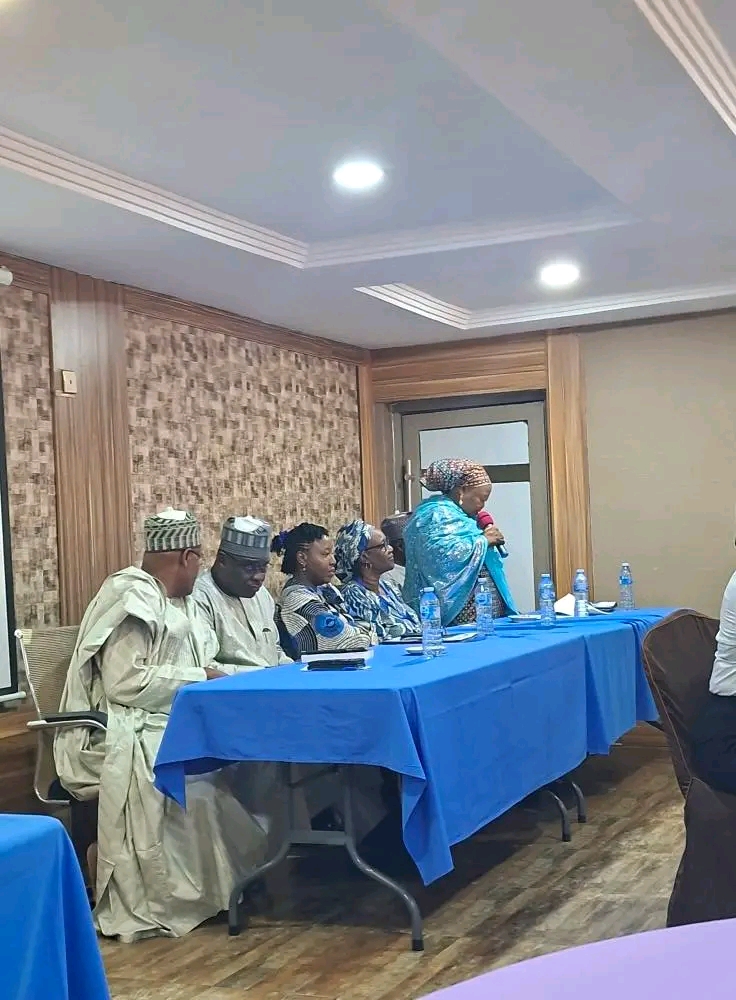
Speaking at a three-day capacity-building workshop in the state, the National President of NAWOJ,Aishatu Ibrahim Kwayabura, emphasized that investing in female leadership is not a favour, but a form of “smart leadership” essential for national progress.
The workshop, organized by the Development, Research and Projects Centre (dRPC) in conjunction with GIZ, is aimed at strengthening the capacity of women in public office and their male allies to advocate for and deliver gender-sensitive planning at the Local Government Area (LGA) level. This initiative is a component of a larger push for inclusive governance in Nigeria’s Northeast, where development efforts are crucial for stabilizing communities recovering from conflict.
In her goodwill message, the NAWOJ National President declared, “When women lead, nations rise — because progress wears the face of inclusion.” She framed the gathering not merely as a training session, but as a “defining moment” for public administration to become more accountable and equitable. The focus on grassroots governance—specifically at the LGA level—is a strategic move to ensure that public policies and spending plans directly address the unique needs and realities of women and girls, a goal that aligns with the wider mandate of development partners like the German Agency for International Cooperation (GIZ).
The dRPC, which has been collaborating with international bodies like GIZ under programmes such as the SEPIN SUSI (Supporting Sustainable Social Protection, Participation, and Economic Resilience in Northeast Nigeria), was highly commended for the strategic initiative. NAWOJ pledged the full support of women journalists, vowing to use their platforms to “chronicle change, challenge stereotypes, and shape the national conversation” toward a Nigeria where budgets and policies truly reflect social realities.
The workshop’s outcome is expected to create a cohort of empowered leaders, both male and female, committed to human-centered, evidence-based governance, transforming the vision of a gender-responsive Nigeria “one decision, one plan, and one empowered woman at a time.”
 The Humanitarian Times