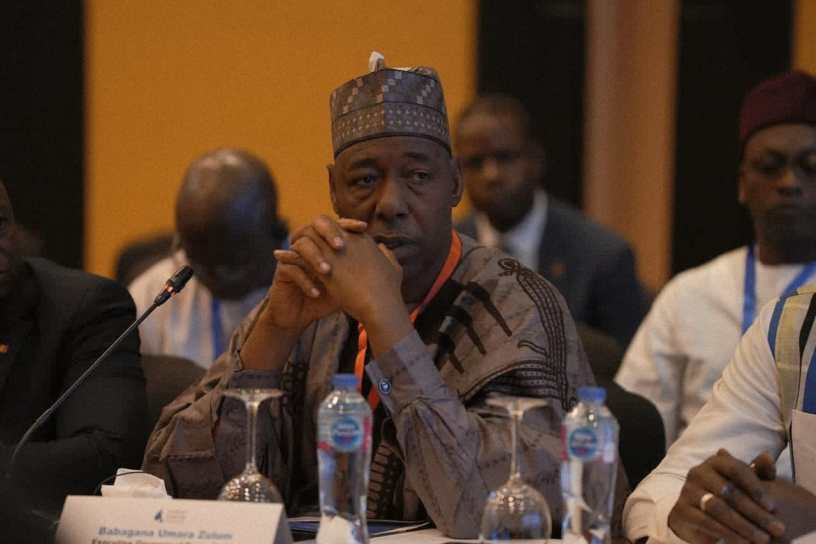
By Abdulkareem Haruna
Aswan, Egypt — Borno State Governor Professor Babagana Umara Zulum, whose region sits at the epicenter of the protracted Boko Haram insurgency, has delivered a scathing critique of the international community’s approach to the escalating Sahel crisis, calling for a radical shift from “short-term humanitarian solutions” to sustained economic development and deeper regional political cooperation.
The Flawed Foundation of Aid
Speaking Sunday at the 5th Aswan Forum for Sustainable Peace and Development, Governor Zulum asserted that a purely military response has proven “insufficient” to quell instability, terrorism, and mass displacement across the Sahel. He argued forcefully that lasting peace is unattainable without simultaneously addressing the deep-seated “root causes”—specifically poverty, lack of education, and climate change-induced scarcity.
Zulum reserved his sharpest criticism for the prevailing model of international assistance, which he characterized as unsustainable.
“For the last 15 years, we have had many interventions in Borno State, but humanitarian support is not a sustainable solution,” the governor stated. “We received many donors, partners, and non-governmental organisations, but most of them engaged in short-term humanitarian solutions.”
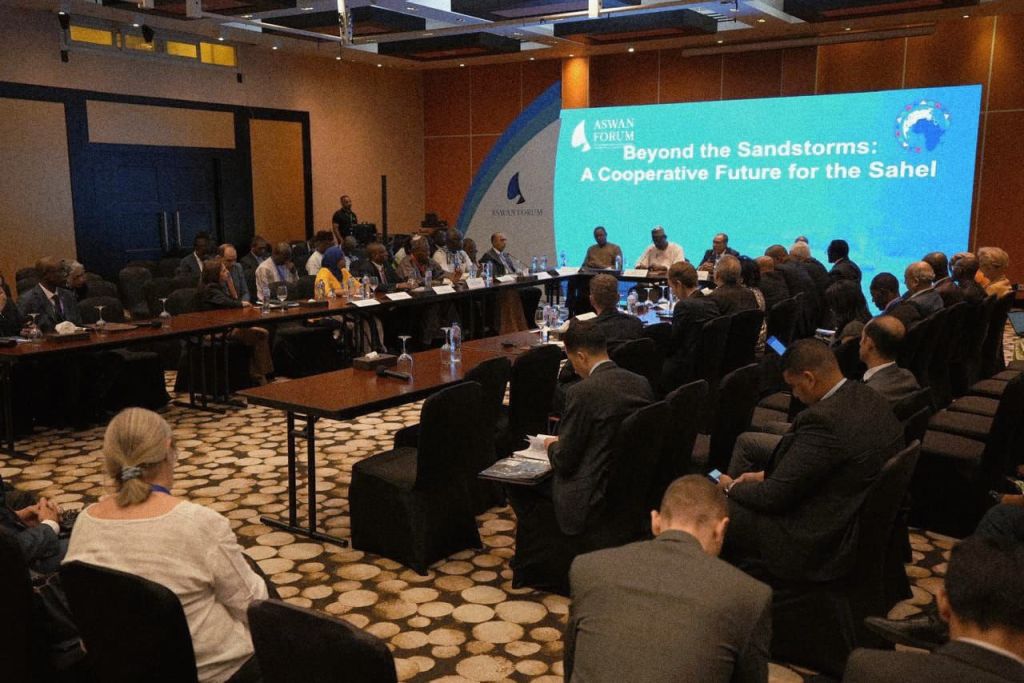
He stressed that this cycle of emergency aid fails to tackle the fundamental issues that fuel recruitment by armed groups, underscoring the vital link: “The nexus between peace, development and security need not be overemphasised. If there is no development, there cannot be peace or security.”
Beyond Borders: A Call for Comprehensive Regional Strategy
The Borno Governor did not limit his demand for change to the development agenda; he also pushed for a more expansive, transnational security strategy. He criticized the current focus on a handful of nations, insisting that extremist groups operate with impunity across a much wider area.
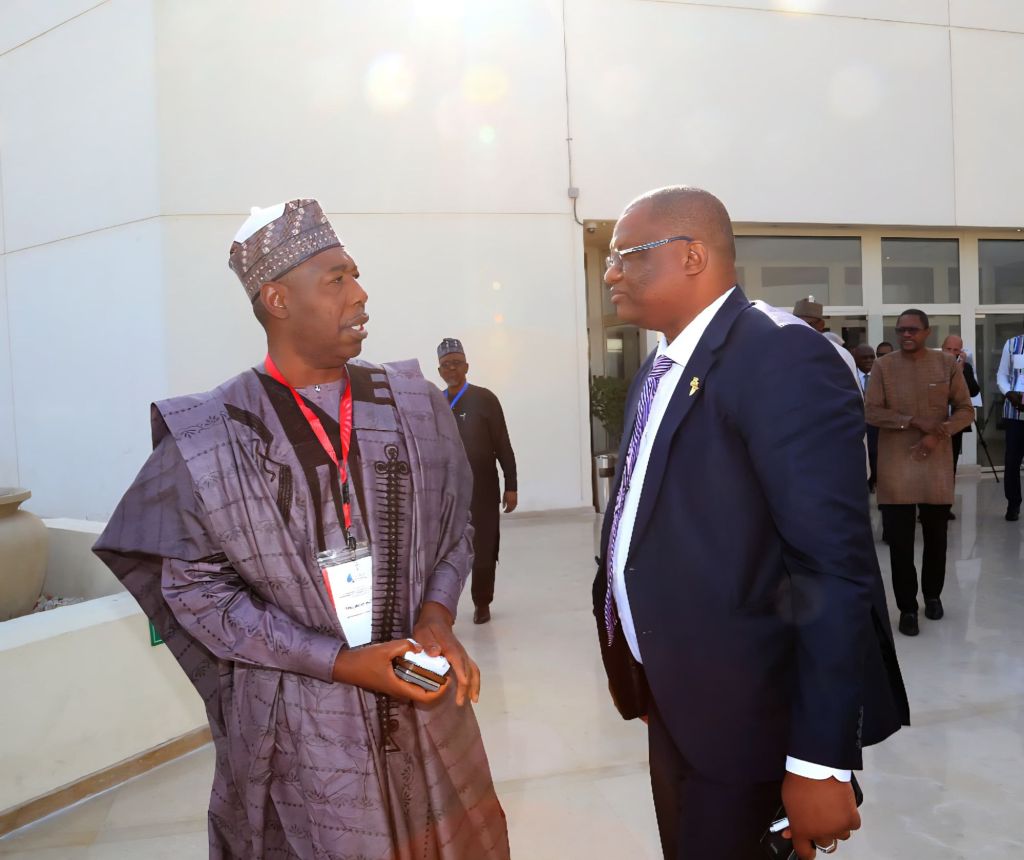
“In the Sahel context, you cannot address the challenges by just looking at two or three countries,” Zulum contended, urging the forum to adopt the broader definition of the Sahel as outlined by the United Nations, which encompasses 10 countries, including Mauritania, Gambia, and Guinea.”Collaboration among the larger Sahel communities is paramount.”
Zulum’s address, delivered to a roundtable that included foreign ministers from Mali and Burkina Faso, solidified his stance that a comprehensive and multifaceted strategy is essential. This strategy, he concluded, must harmonize security operations, sustainable development projects, and humanitarian assistance rather than relying solely on “kinetic means.”
 The Humanitarian Times