By Abdulkareem Haruna
Social protection programs, from unemployment benefits to pension schemes, are essential lifelines in an increasingly uncertain global economy, yet their effectiveness is being fundamentally undermined by a basic failure to communicate.
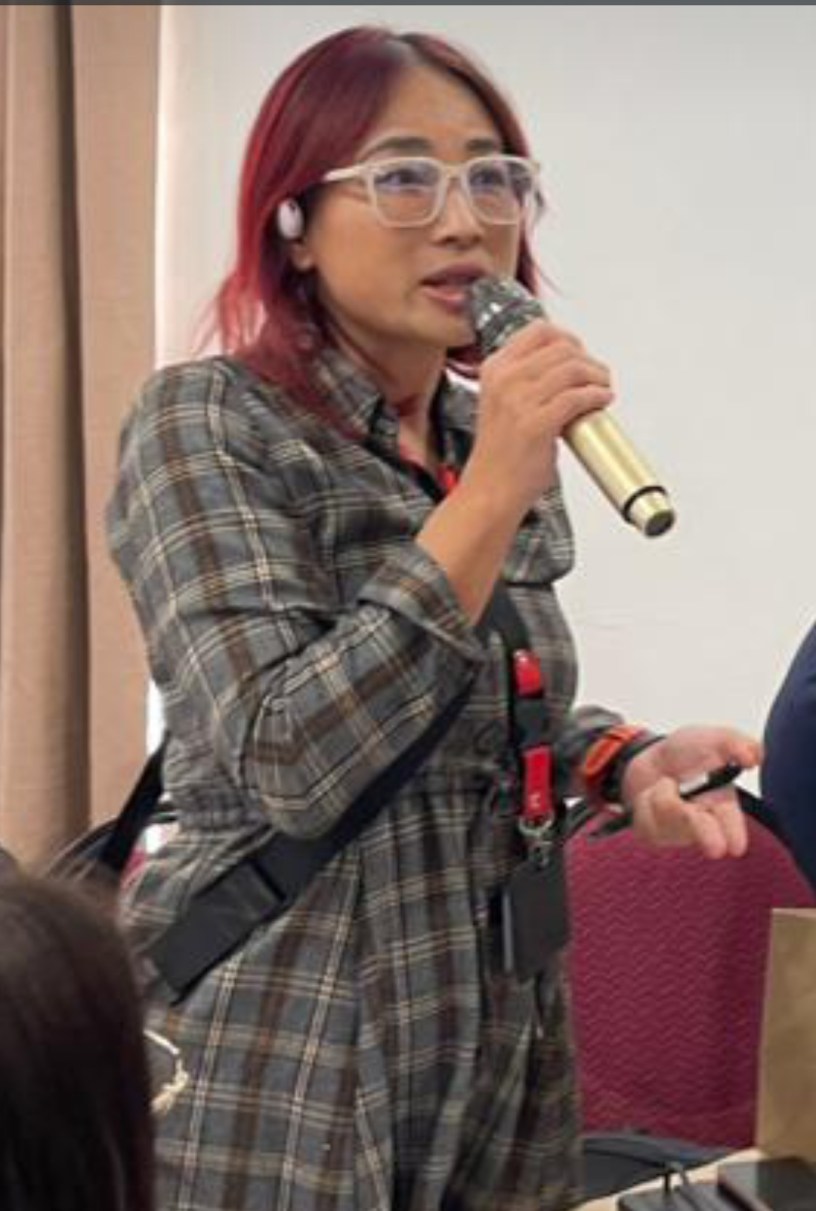
Speaking at a recent workshop on knowledge management (KM), under the ’Supporting Sustainable Social Protection, Participation and Economic Resilience in Northeast Nigeria (SEPIN SUSI) Programme, Maria Sibal of the German development agency (GIZ) from Philippines argued that even the most meticulously designed government policies will fail unless experts, the media, and the public actively collaborate to bridge a critical “knowledge translation gap.”
Sibal, who is on a hospitation programme in Nigeria, emphasized that data and evidence are indispensable for driving policy change and ensuring the accountability of social programs through robust Monitoring and Evaluation (M&E). However, this crucial evidence rarely makes it past policy wonks.
“A fundamental challenge exists: the language used by policymakers and researchers is often too technical and inaccessible to the general public,” Sibal said. While researchers are needed to validate policy changes and identify global best practices, their reports “remain confined to expert circles.”
This disconnect means that the very people who need social assistance often don’t understand the mechanisms available to them, or why those mechanisms exist.
The Media as the Essential Translator
The solution, according to Sibal, lies in aggressive collaboration, with the media playing a transformative role.
“The public does not read academic journals or policy briefs,” she stated. “Therefore, the media acts as the essential translator, taking complex data, research findings, and policy documents and converting them into accessible information.”
This process is critical to bridging the divide between those who generate knowledge (academics and researchers) and those who need to use it (citizens).
A ‘Pool of Society’ Mandate
Sibal likened the challenge to the limitations of advanced systems like Artificial Intelligence (AI), which is only as effective as the data it’s trained on. For social protection KM to succeed, she argued, it requires a “pool of society” approach that involves multiple actors:
* Academics/Researchers must inventory and synthesize all relevant data.
* Civil Society must select and curate the information that is most relevant and beneficial to the target population.
* The Media must translate this information, ensuring people understand their rights and available support mechanisms.
Ultimately, Sibal warned, all efforts aimed at improving social protection—from government investments to media campaigns—are fundamentally designed for the public.
“No matter how progressive the government or how rigorous the efforts of researchers and media combined, the initiative will never work if the public does not cooperate,” she concluded.
The GIZ expert stressed that citizens must move past passive receptivity. They must be willing to act on the knowledge they receive and impose their rights by demanding access and accountability from the system. When the public remains passive and fails to utilize the mechanisms available, the combined efforts of all stakeholders are, Sibal suggested, ultimately wasted.
The three-day training session was facilitated by KM expert and consultant, Mr. Obinna Richfield Anah, who provided participants with a detailed understanding of Knowledge Management (KM) in the context of Social Protection.
Mr. Obinna stressed that Knowledge Management for Ministries, Departments, and Agencies (MDAs) goes beyond simply documenting their social protection activities and outcomes. He emphasized the critical need to publish or make this information available to the public.
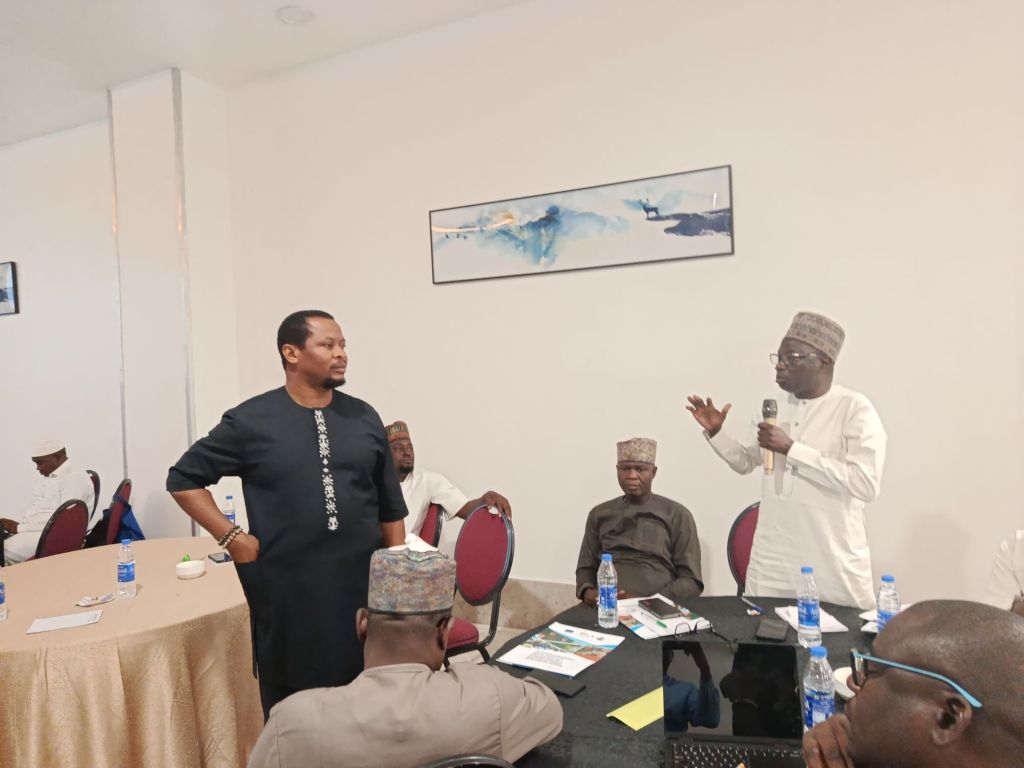
He defined KM as the systematic process of capturing, organizing, sharing, and applying knowledge to achieve set objectives.
“Knowledge management is beyond just having a system; it is about taking the right information to the right set of people at the right time, so that the right decision can be taken at the right time,” said Mr. Obinna.
He said knowledge management sits basically on five pillars: which are people, process, content, technology and culture.
Mr. Obinna guided participants through a comprehensive curriculum, which included: Introduction to KM and Learning; Components and Building Blocks of a KM system; Knowledge Sharing and Learning Approaches; Institutionalizing KM, focusing on roles and responsibilities; Digital tools and Platforms for Knowledge Management; Applying KM and Learning to Adamawa/Borno Social Protection initiatives etc.
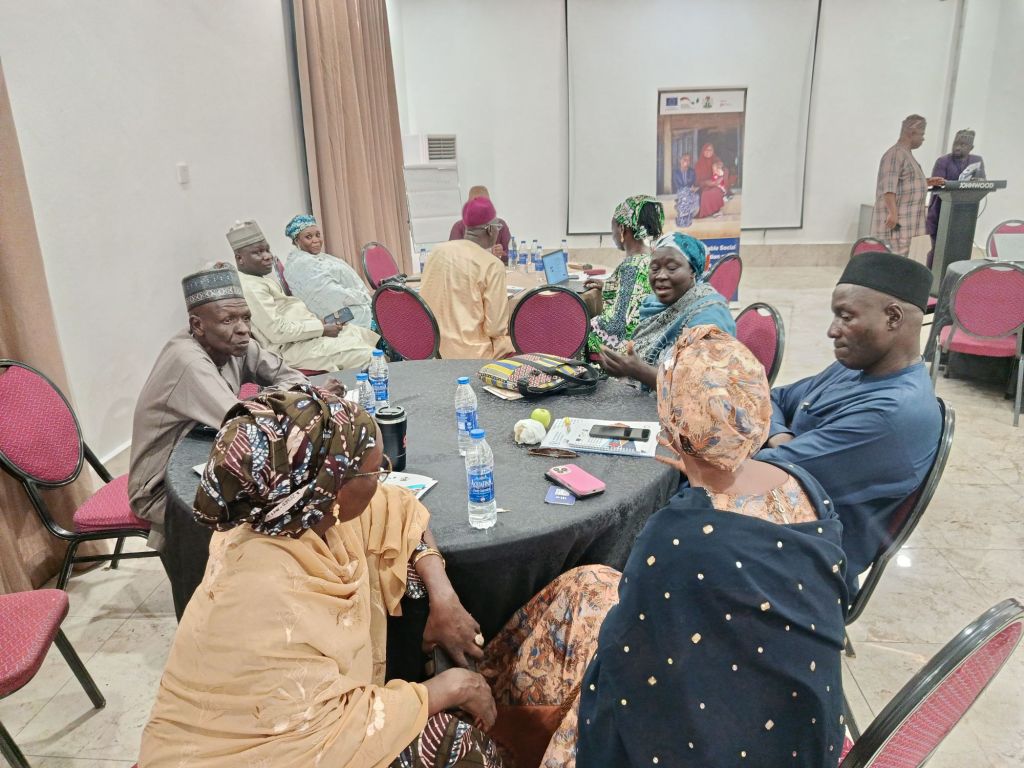
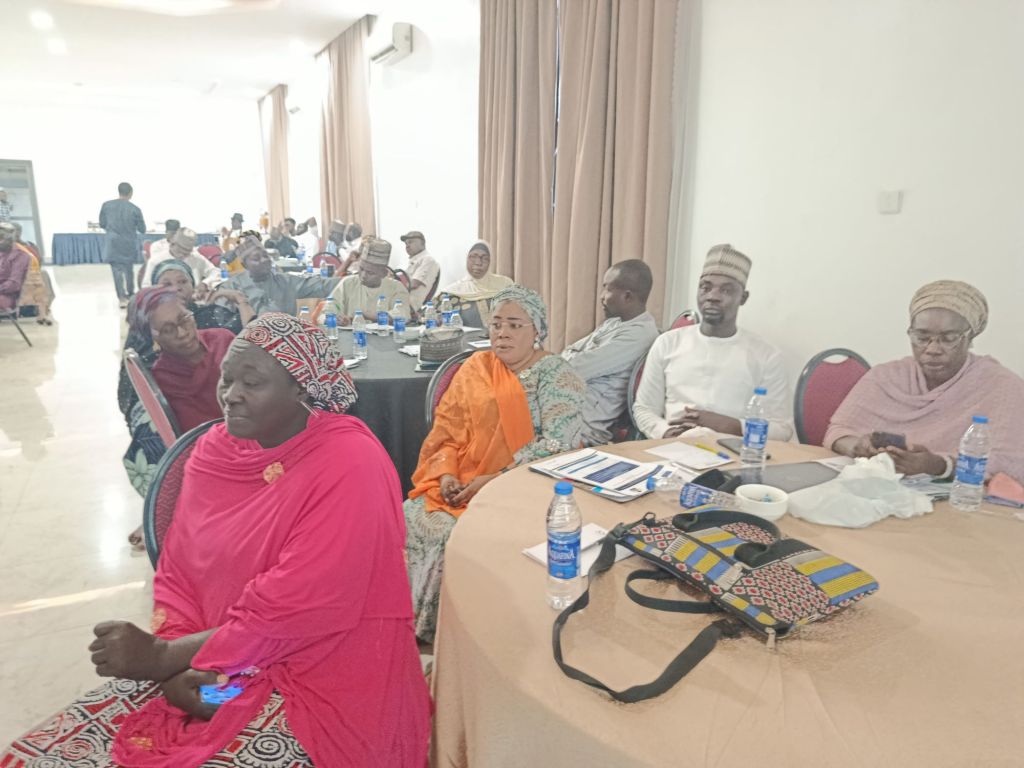
The training has well over 40 participants cutting across Members of the civil society, MDAs, and the media selected from Borno and Adamawa states of northeast Nigeria.
 The Humanitarian Times