By Abdulkareem Haruna
For the last decade, the story of education in north-east Nigeria has been one of tragedy. In Borno State, the epicenter of the Boko Haram insurgency, schools were not just buildings; they were targets.
The insurgent group, whose name loosely translates to “Western education is forbidden,” spent years waging war on learning. Hundreds of classrooms were burned, teachers were forced to flee, and playgrounds fell silent as parents kept their children at home out of fear.
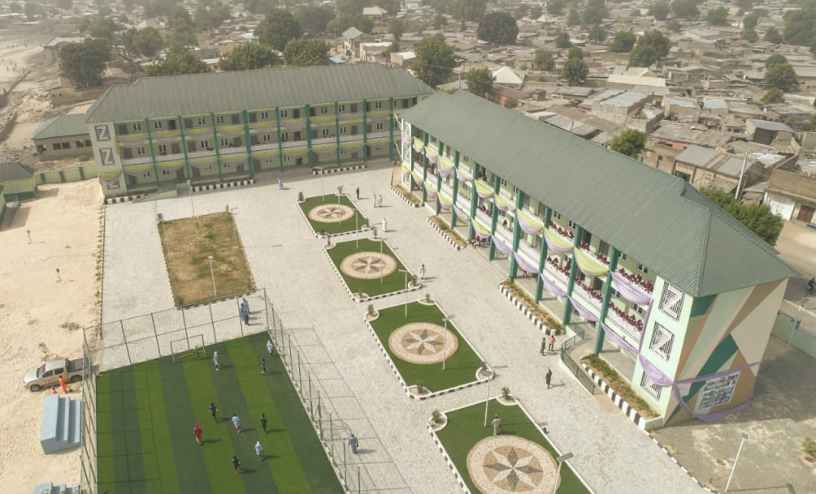
But today, the skyline of Maiduguri, the state capital, tells a new story. Instead of ruins, residents now look up at bold, colourful, and massive structures known as “Mega Schools.”
This week, the Federal Government of Nigeria declared Borno a national leader in education. During a visit to commission these new facilities, the Minister of Education, Dr Maruf Tunji Alausa, described the state’s recovery as remarkable, calling Governor Babagana Umara Zulum a “pacesetter” for the rest of the country.
To understand the significance of these new buildings -with over 140 of them dotting the books and crannies of the state-, one must look at the past. The insurgency did not just destroy infrastructure; it tried to destroy the confidence of the people in the school system.
The state government faced a difficult task: they didn’t just need to repair leaking roofs; they needed to convince parents that schools were safe and worthy places for their children. The response was to build “Mega Schools” – mega fortresses of learning designed to protect and inspire.
On Wednesday, Minister Alausa commissioned two of these flagship projects: the Kulogumna Mega Primary School and the Government Day Secondary School in Kaleri.
These are not the modest school blocks often seen in rural Nigeria. The Kulogumna school has 48 classrooms, while the Kaleri facility has 60. Beyond the sheer size, they come equipped with science laboratories, libraries, and sports facilities.
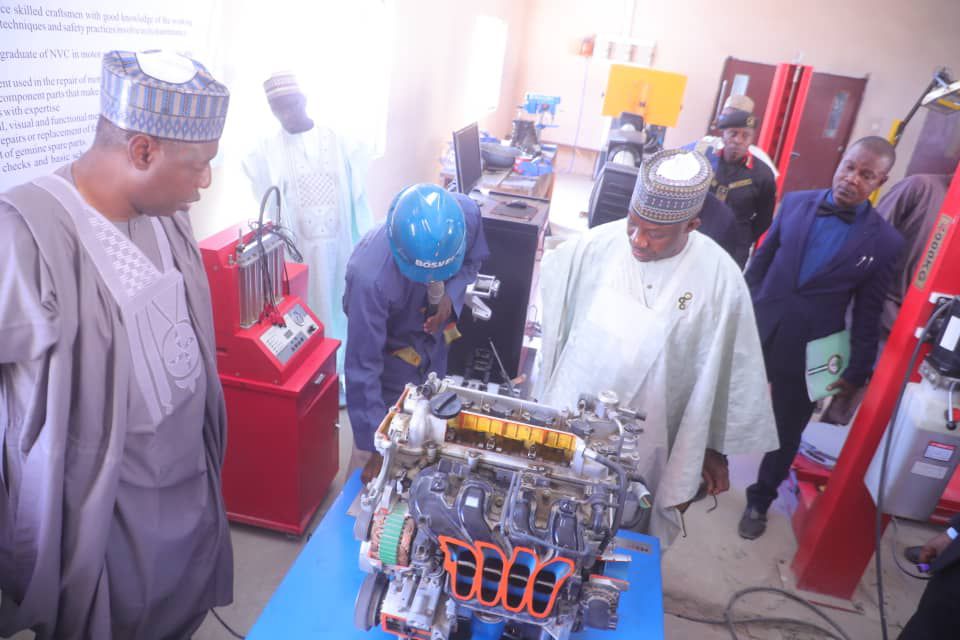
The quality of the construction left a strong impression even on the visiting Minister. Dr Alausa admitted that what he saw in Borno was superior to many higher education institutions he had visited across Nigeria.
“I am the Minister of Education… I was humbled yesterday,” Dr Alausa said. “The quality of primary schools in Borno State… blew me away.”
The minister noted a surprising reality: a state recovering from years of war is now setting the standard for peaceful states.
“I’ve been to so many places, a lot of universities and polytechnics… they don’t have the quality infrastructure of a primary school in Borno,” he added.
The drive for these schools comes from the top. Governor Zulum is a professor himself. He views education as one of the surest ways to permanently end the poverty and instability that fuels insurgency.
To him, the Mega Schools solve two problems. First, they provide space. Maiduguri’s population has swelled with families fleeing unsafe rural areas, overcrowding existing schools. “These new 60-classroom structures absorb that pressure.”
Secondly, they are a symbol. In a region where terrorists tried to erase education, these imposing buildings are a statement of resilience.
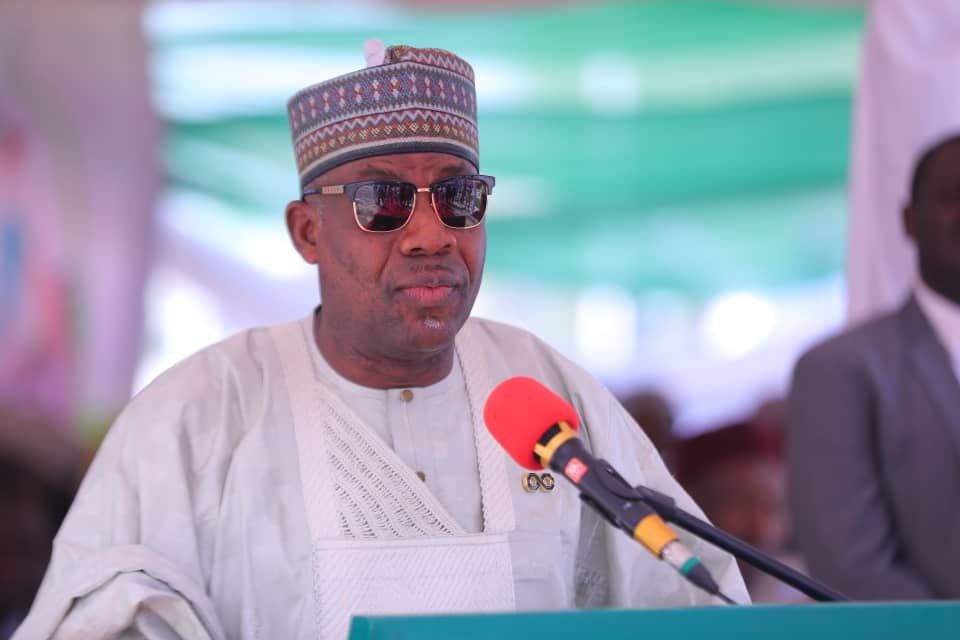
However, Governor Zulum acknowledged that a school is only as good as its teachers. While the buildings are world-class, the government is now turning its focus to the people working inside them.
“We have to ensure that accommodations are being provided to the teachers,” Zulum said. He announced that the state would soon reveal plans to improve teacher housing and increase salaries.
Borno has already implemented the national minimum wage for primary and secondary teachers—a step many wealthier, more peaceful states are yet to take.
The visit of the minister also saw the commissioning of a new Federal Government School in Ngarannam, a community once heavily hit by the Boko Haram fighting. Rebuilt with international support from the Islamic Development Bank, it stands as a model for post-conflict recovery.
As more and more towering edifices of mega schools continue to emerge, the mood remains optimistic. However the challenge remains huge; maintaining these facilities and reaching children in remote areas is a long road ahead. Governor Zulum’s administration – as impactful and unprecedented as it has been – will not remain for ever. What the next person to take charge of the helms does for the future will certainly define the sustainability of these massive investments in learning.
But what is undeniable remains that the narrative has shifted. Borno is no longer just a story of broken schools. It is now the state where a federal minister comes to learn how to build them. In the face of a war that sought to bring darkness, Borno has chosen to turn on the lights.
 The Humanitarian Times