By Abdulkareem Haruna
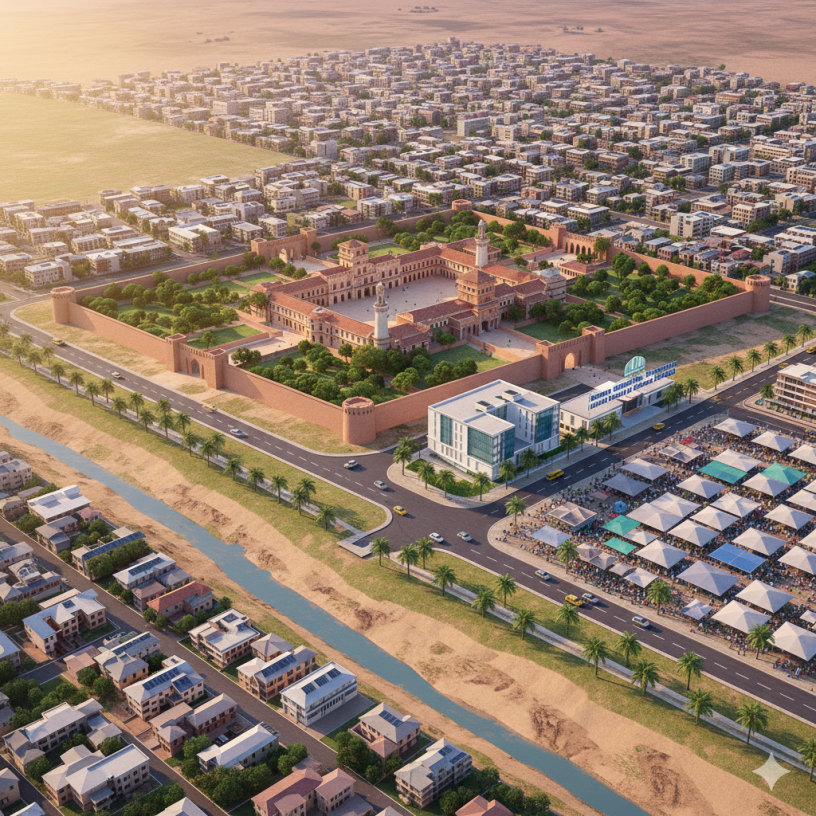
MAIDUGURI, Nigeria – For generations, land ownership in most parts of Borno State has rested on handshakes, traditional memory, and customary titles – which are, of course, documents that carry deep local respect but little weight in a modern court of law.
On Sunday, a coalition of researchers and advocates moved to change that, signaling the start of an ambitious effort to bring thousands of informal landholders into the state’s official registry.
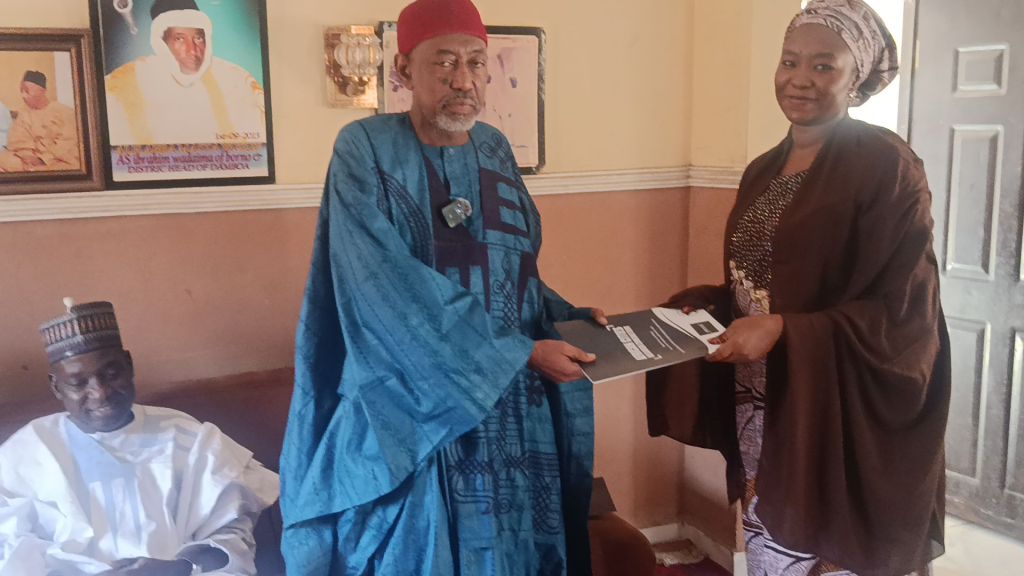
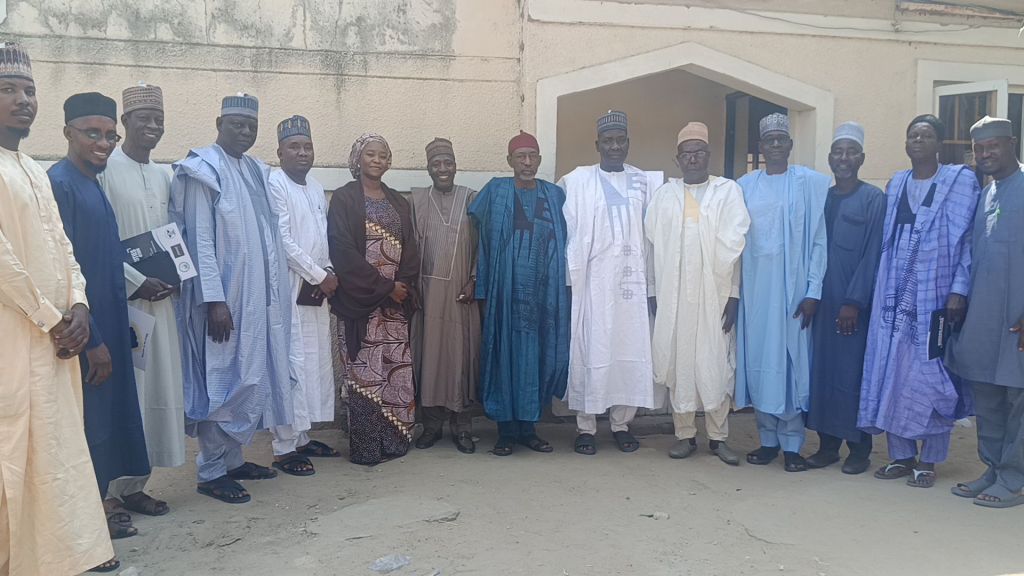
On Sunday, Jan.4, 2026, a local nonprofit Rehabilitation Empowerment and Better Health Initiative (REBHI), led a high-level advocacy team to the palace of Abba Yusuf Masta, the District Head of Bolori. The mission to his palace was to launch the second phase of the Systematic Land Titling (SLT) project, an initiative designed to convert precarious traditional land claims into formal, legal titles.
The project is a collaborative effort funded by the African City Research Consortium and the University of Manchester, bringing together a powerhouse of experts from the University of Maiduguri, the Borno State Geographic Information System (BOGIS), and of course leaders of the civil society organisations.
The shift from customary to formal titling is more than just a bureaucratic upgrade; it is a shield against displacement. In many parts of Nigeria, customary titles do not grant “explicit legal rights,” leaving families vulnerable during land disputes or urban redevelopment.
“The project is designed to empower community members so they truly own the titles to their lands,” said Ajikatu Alkali Imam, the Executive Director of REBHI. “We are moving from the informal or traditional way of land titling to a more formal, secure system.”
The visit to the District Head of Bolori’s palace was also graceeby a gathering of other traditional authority. Joining Alhaji Masta were Abba Kyari Terab, the District Head of Dusuman, and Alhaji Abba Bukar, the District Head of Maisandari. Their blessing is considered critical for the project’s success, as they serve as the primary bridge between the government and the community.
The expansion into Bolori and Galtimari follows a successful pilot phase that saw 1,000 residents in the Maiduguri and Jere local government areas successfully secure their documents.
Professor Abubakar Kawu Monguno, the lead researcher from the University of Maiduguri, explained that the second phase aims to deepen the project’s footprint in critical urban areas. By bringing the “hidden” land holdings of the poor into the official database, the government can better plan infrastructure and social programs.
“The essence is not just to register titles; it is to increase planning so that the government can bring poor people into the database of policies and programmes,” Professor Monguno said. He noted that similar initiatives are currently underway in other parts of Nigeria like Ondo and Kaduna states.
A central pillar of the new phase is social equity. The team announced that 150 women and people living with disabilities who currently hold customary land will have their registration fees waived entirely. This ensures that the most vulnerable residents—who often face the steepest hurdles in navigating government bureaucracy—are not left behind.
To maintain momentum, the project team requested that each District Head appoint a “desk officer”—a local liaison who will act as a dedicated guide for residents navigating the registration process.
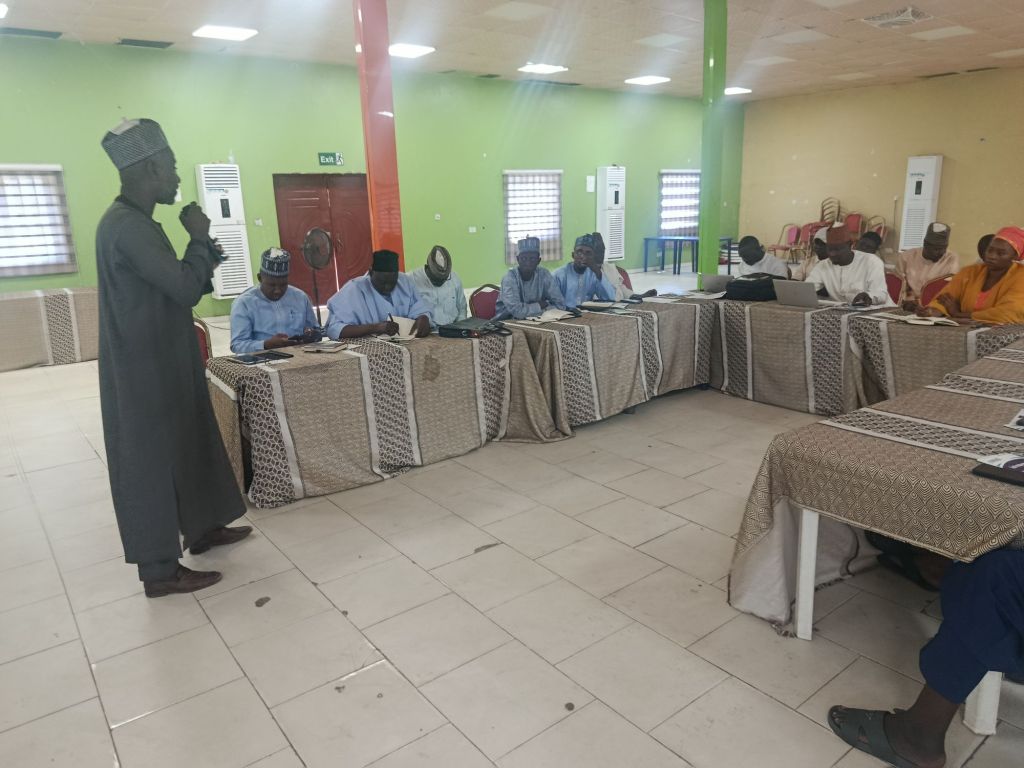
Following the palace visit, the group held a one-day workshop involving BOGIS officials, civil society leaders, and traditional title holders. The session served as a frank forum to discuss the hurdles of land titling, including the historical reliance on customary systems and the logistical challenges of formalization. At the end official at REBHI worked the session through a nine months work plan for the implementation of the project’s second phase.
Leaders of the civil society in Borno state and the northeast zone, Messrs Bulama Abiso and Ahmed Shehu, lend their voices of support for the second phase of the project with assurances of sustained advocacy and awareness creation.
Dr Bakura Bukar, one of the project lead researchers noted that As Borno continues to rebuild and modernize, the success of the SLT project could serve as a blueprint for how traditional African land tenure can be integrated into a 21st-century legal framework—one plot of land at a time.
“We must emphasize that Systematic Land Titling (SLT) adds significant value to every officially titled property. By securing a title, owners can transform their land into a powerful economic tool, allowing them to use it as collateral for business loans and other financial opportunities, ” Dr Bukar said.
 The Humanitarian Times