By Abdulkareem Haruna
MAIDUGURI, Nigeria — In a milestone for public health in Northeast Nigeria, Borno State has for the first time met a long-standing continental benchmark for health spending, according to a new report released Friday by the Africa Health Budget Network (AHBN).
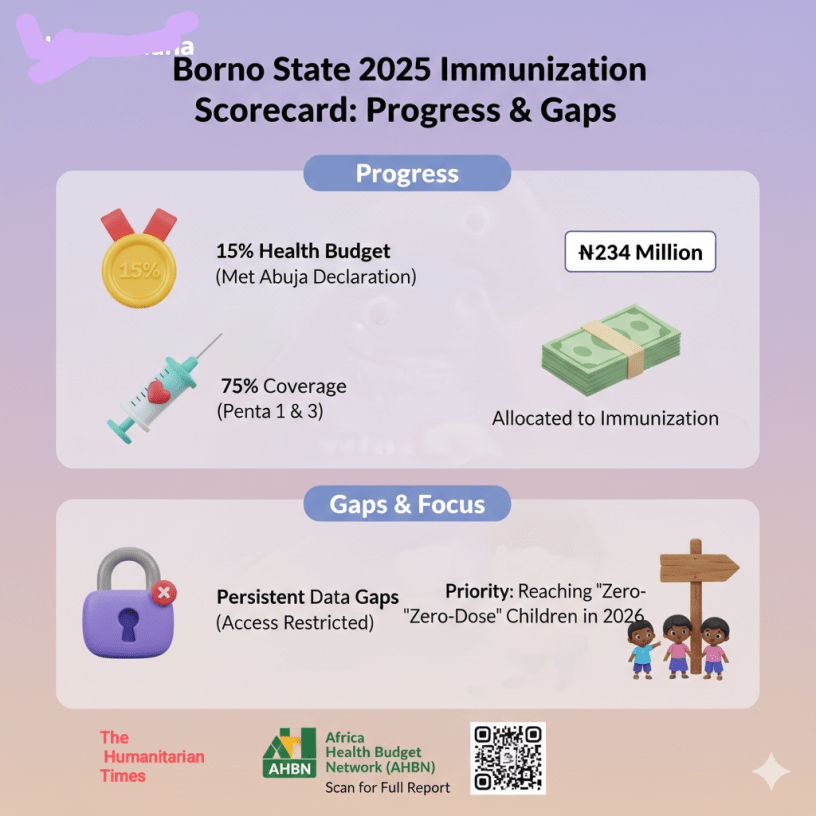
The 2025 Immunization Budget Accountability Scorecard reveals that the state’s health sector budget has finally reached the 15% threshold established by the 2001 Abuja Declaration. This achievement marks a significant shift for a region that has spent over a decade rebuilding its infrastructure amidst a protracted humanitarian crisis.
The scorecard, which tracks government commitments to vaccine financing and delivery, highlights a state on the rebound. Beyond the budget hike, Borno allocated ₦234 million specifically to immunization services in 2025.

This financial injection appears to be yielding results on the ground: coverage rates for the Penta 1 and Penta 3 vaccines—critical indicators of a child’s protection against life-threatening diseases—have both climbed above 75%.
“Borno State achieved a major milestone in 2025,” said Dr. Aminu Magashi Garba, Coordinator of the AHBN. “This reflects positive momentum in health financing and immunization performance.”
The Transparency Hurdle
Despite the financial gains, the report sounds a cautionary note regarding what it calls “persistent gaps” in data transparency. While the money is being promised and allocated, tracking exactly where and how it is spent remains a challenge for independent monitors.
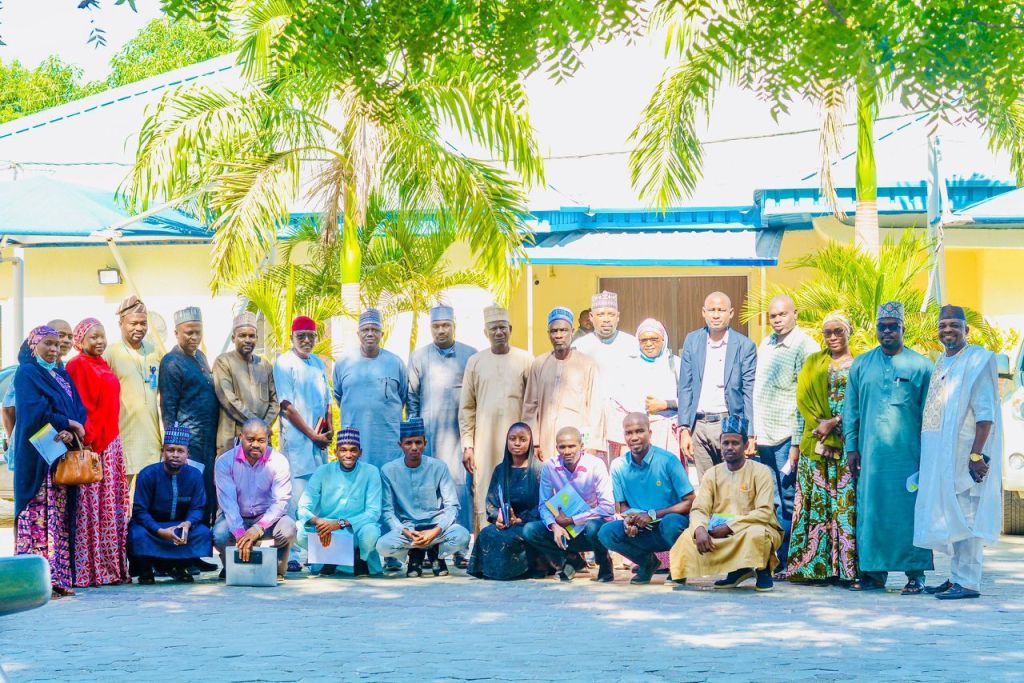
The AHBN noted that restricted access to expenditure data makes it difficult to evaluate the success of new initiatives, such as the Direct Facility Funding (DFF) program introduced last year. Without open data, advocates argue, it is nearly impossible to ensure that funds are reaching the frontline clinics where they are needed most.
Strengthening data openness will be essential to enabling informed advocacy and sustaining accountability in the health sector,” the statement noted.
Looking Beyond 2025
The timing of the report is critical. It comes just a month after the conclusion of the GAVI-supported Zero Dose Learning Hub, an initiative aimed at reaching children who have never received a single vaccine.
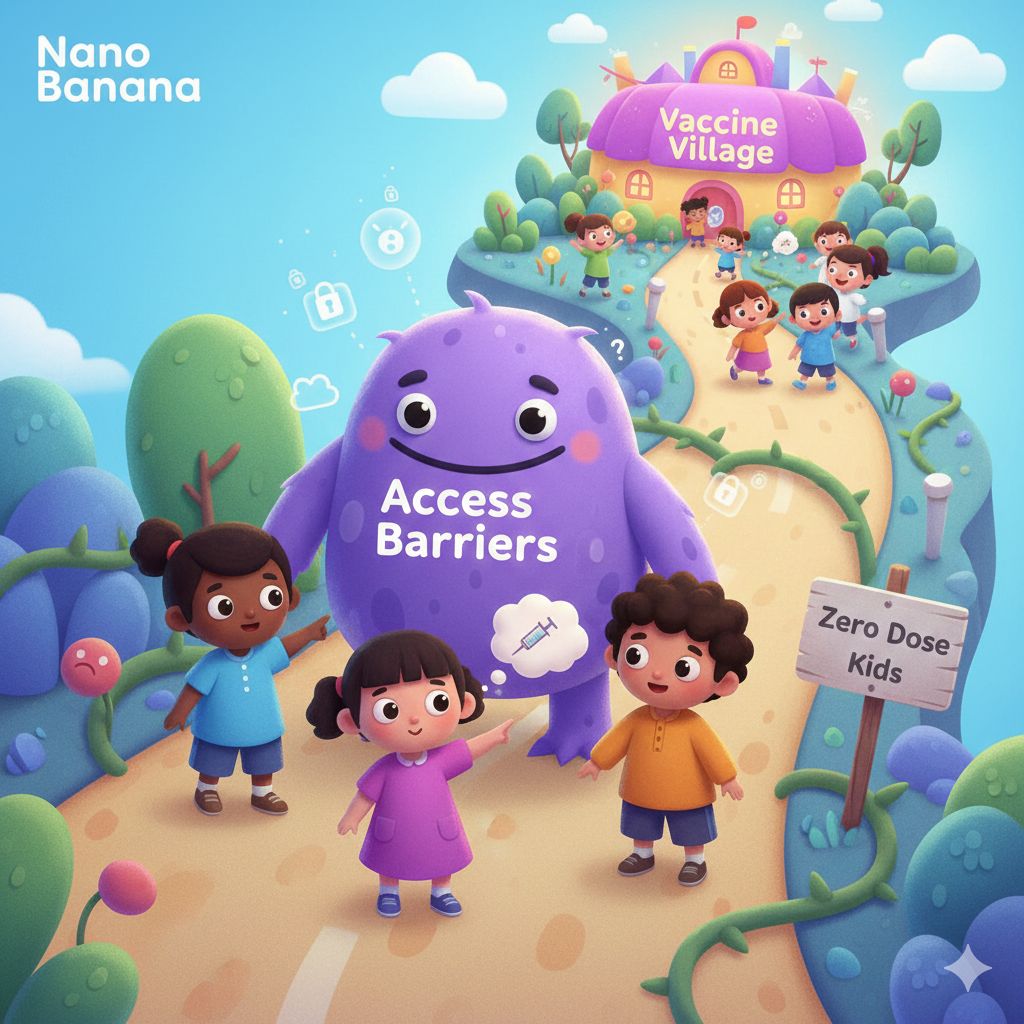
As international technical partnerships shift, the AHBN and its “Communities of Practice”—a network of civil groups across Northern Nigeria—say they are stepping up to fill the void. Their goal for 2026 is to ensure that the budgetary progress seen in Borno doesn’t stall, particularly for the most vulnerable “zero-dose” children living in hard-to-reach areas.
For a state that has often been defined by its challenges, the 15% budget mark offers a rare blueprint for how local political will can begin to tackle deep-seated public health inequities.
 The Humanitarian Times