By Abdulkareem Haruna
MAIDUGURI, Nigeria – For years, the choice for those suffering from failing vision in Northeast Nigeria was stark: find the small fortune required to travel abroad for surgery, or succumb to a life of permanent darkness.
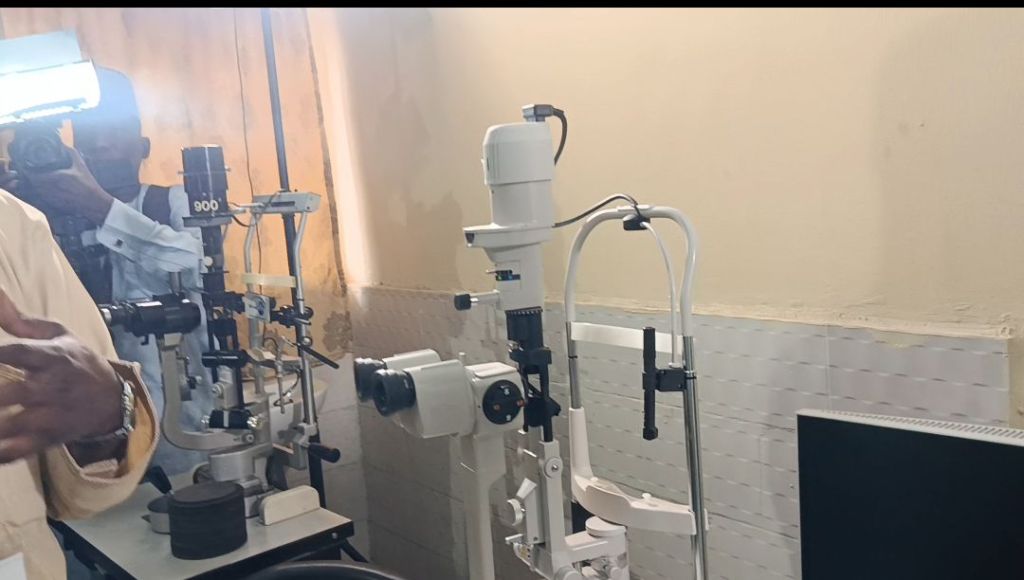
In a bold move to bridge this divide, the North East Development Commission (NEDC) has completed a 3 billion naira ($1.8 million) upgrade of the Borno State Eye Hospital in Maiduguri. The initiative aims to do more than just end the trend of wealthy citizens seeking “medical tourism” in India or Egypt; it is designed to provide the region’s most vulnerable populations with a defense against avoidable blindness.
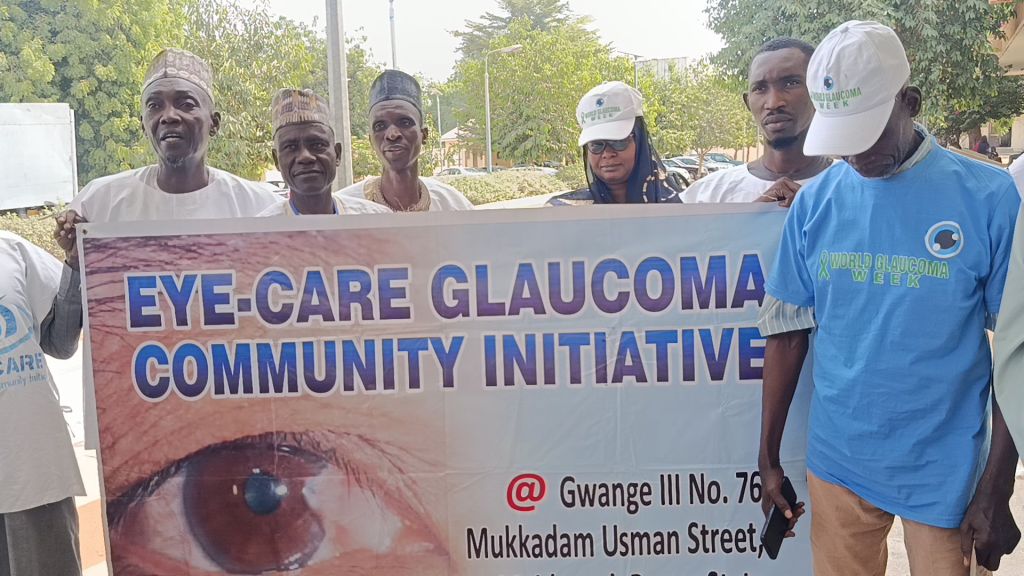
According to the NEDC, the investment targets two of the region’s most persistent causers of visual impairment: cataracts and glaucoma. For the millions living in the shadow of a decade-long insurgency, these treatable conditions have often become life sentences of disability due to a lack of advanced diagnostic tools.
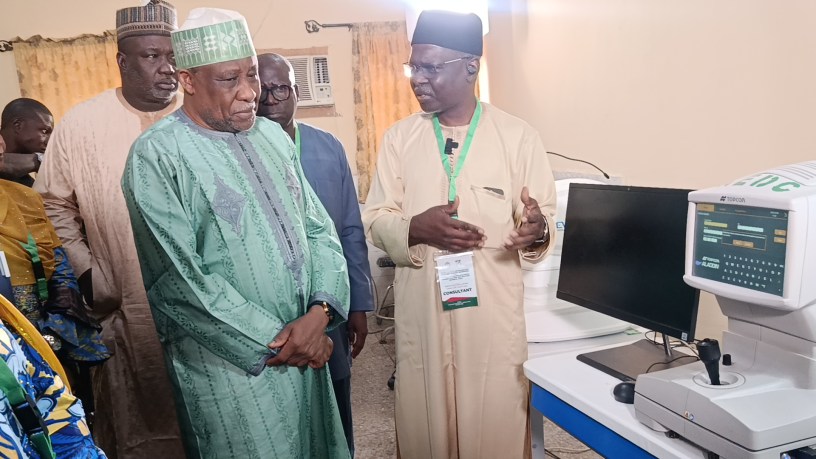
Mohammed Alkali, the Managing Director and CEO of the NEDC, announced Monday that the project integrates the installation of state-of-the-art ophthalmic equipment with an intensive, two-week “hands-on” training program for local medical personnel.
“By aligning the deployment of advanced equipment with structured professional training, the Commission is tackling avoidable blindness,” Alkali said. “We are expanding access to specialist care and strengthening the resilience of tertiary health institutions.”
The technological overhaul is being paired with a significant infrastructure renovation to transform the facility into a regional “center of excellence.” To ensure the longevity of the investment, the NEDC has brought in a team of elite specialists, led by Chief Consultants Prof. Abdull Mohammed Mahdi and Dr. Abuh Sunday, to mentor local surgeons, nurses, and biomedical engineers.
The training cohort includes staff from the University of Maiduguri Teaching Hospital, ensuring that the benefit of this 3 billion naira investment radiates throughout the state’s healthcare ecosystem.
“We are impressed with the hospital’s current facilities; the equipment is high-quality and appears fully operational. Our next priority is to monitor the output and patient outcomes to ensure they meet our expectations, the MD added.
Alkali said In addition to reviewing these facilities, the NEDC conducted extensive research on how best to intervene in the healthcare sector.
“We discovered that there is currently only one functional MRI in the entire Northeast—a 15-year-old machine located in Yobe. Consequently, we consulted with key stakeholders to identify their specific equipment needs. We intend to make available one MRI machine in every mJor hospital in the geopolitical zone. So far we have now procured nearly everything they recommended. Within the next two months, this equipment will be delivered, and I look forward to showing you the significant impact these machines will have on patient care.”
 The Humanitarian Times