By Abdulkareem Haruna
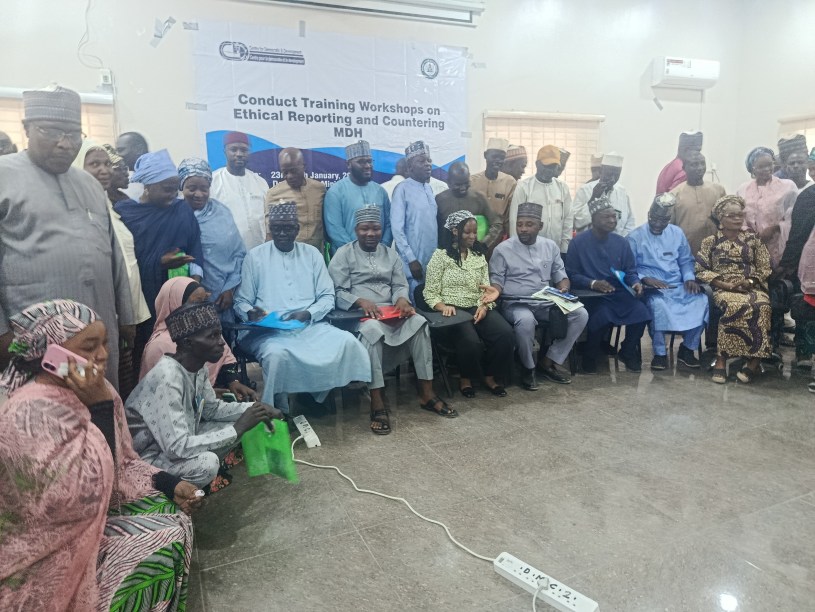
In a timely move to sanitize the media space, no fewer than 50 journalists in Borno State have undergone an intensive two-day capacity-building workshop aimed at curbing the menace of misinformation, disinformation, and hate speech.
The training, organized by the Centre for Democracy and Development (CDD-West Africa) in Maiduguri, the state capital, focused on addressing the growing challenge of “information disorder” and its implications for peace and security in the Northeast.
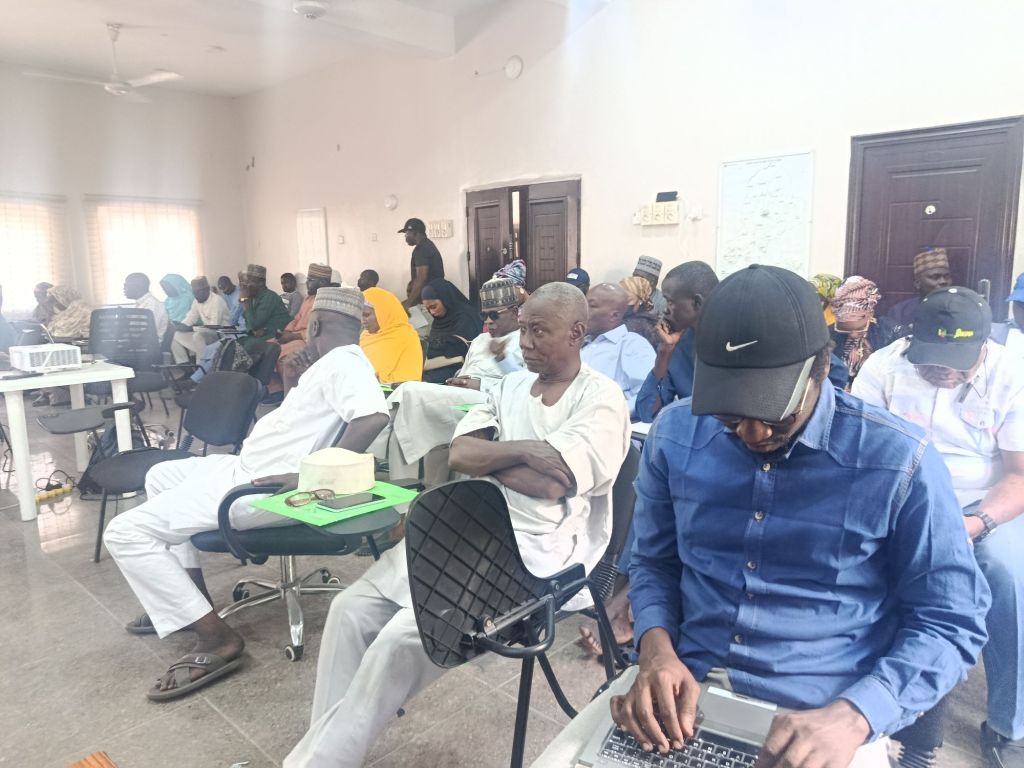
During the technical sessions, participants were exposed to modern fact-checking tools and strategies to identify and dismantle orchestrated narratives before they gain public traction.
The workshop transitioned from theoretical frameworks to practical, hands-on drills where reporters analyzed real-life case studies of digital falsehoods.
Speaking during the exercise, the Program Officer for CDD-West Africa, Chioma Iruke, emphasized that the initiative was designed to bolster the resilience of media practitioners against digital threats.
“The goal was to deepen understanding of these threats and equip practitioners with the tools to counter them effectively,” Iruke stated.
In his remarks, the Chairman of the Nigeria Union of Journalists (NUJ), Borno State Council, Comrade Abdulkareem Haruna, commended CDD-West Africa for the timely intervention. He noted that the training is critical for journalists operating in a frontline state like Borno.
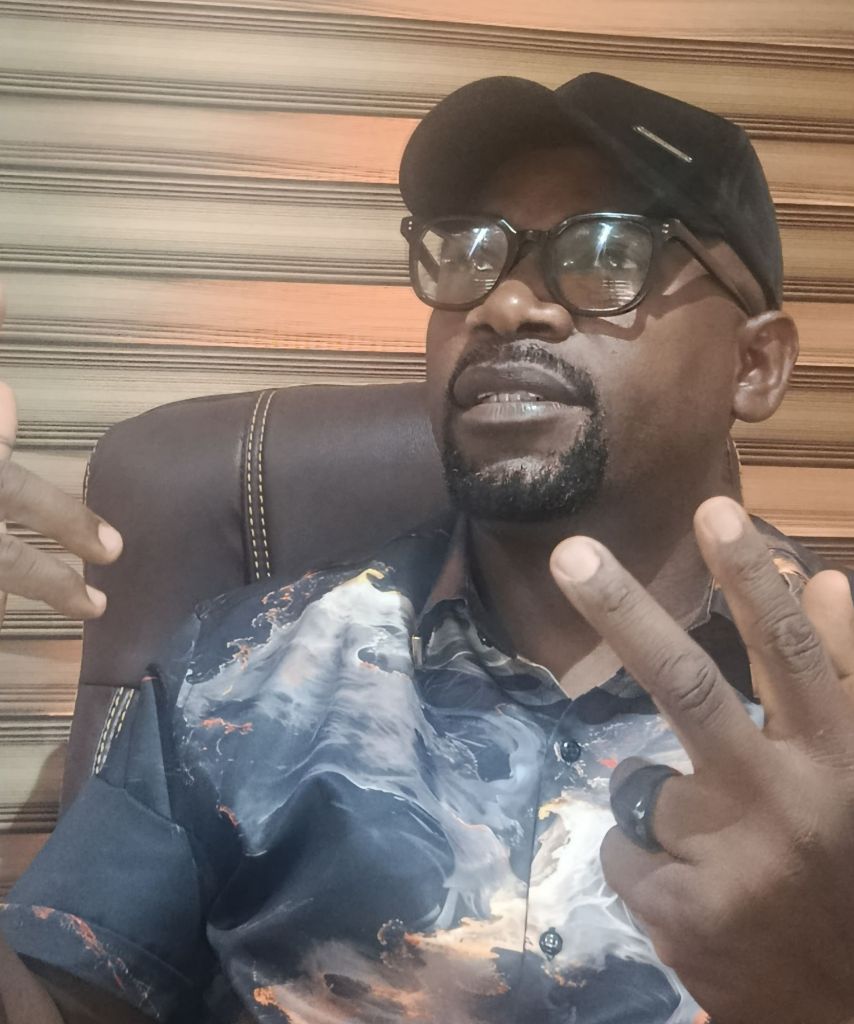
Haruna stressed that the workshop would significantly enhance the integrity of the local media, adding, “By focusing on responsible reporting, especially as the electioneering period begins ahead of 2027, this training will no doubt strengthen our professional standards. In a sensitive environment like Borno, the impact of a single false report can be profound and devastating.”
The two days training which explores how journalists can navigate the challenges of AI manipulation in the areas of misinformation, disonformation and malinformation, concluded with a renewed commitment by the practitioners to uphold the core ethics of the profession, ensuring that verification remains the cornerstone of their daily reportage.
 The Humanitarian Times